








High-tech dials down the glamour as employee burnout rises
Firms replace large events with targeted well-being and support programs.
After almost three years of an intense reality of war, hostages, economic uncertainty, alongside enormous technological changes, employees are tired. The signs of this are becoming increasingly visible, prompting employee experience and well-being managers at many high-tech companies to rethink their approach. Less extravagant parties and glittering corporate events, and more limited workshops, treatments, or activities that are meaningful and tailored to employees’ needs.
This transition reflects a broader shift in perception within high-tech given the current situation. If in the past employee experience departments were measured by the number of events, the size and glamour of productions, and the number of celebrities appearing at the end-of-year party, today success is measured by the extent to which employees feel their workplace provides a stable “anchor” in a turbulent reality.
“We live in a country that has gone through a very turbulent period in recent years, with war, hostages, and ongoing uncertainty. Even today, the general feeling is one of tension and uncertainty. In such a reality, the workplace becomes an anchor of stability for employees. Accordingly, our employee well-being strategy has changed significantly over the past two and a half years,” says Liron Or, Head of Corporate Social Responsibility and People Experience at AppsFlyer.
According to her, during times of war and national crisis, the company avoids large-scale festive events and instead focuses on initiatives that provide real support for employees. “Our employees are required to continue working and leading even when reality outside is extremely complex. As a global organization with 19 offices worldwide, headquartered in Israel, it is important for us to set an example and provide employees with the stability and support they need.”
The company provides a quarterly grant of $150, allowing employees to choose how to invest in themselves, classes, performances, treatments, or other personal well-being activities. In addition, employees benefit from the “Be Well” service, which provides ongoing support across a range of areas, from access to the Calm app to four “Recharge Days” per year funded by the company.
“Our goal is to allow employees to pause, take care of themselves, and find balance even during a particularly challenging period. We want to remind them that it’s okay to feel that things are not okay, and ensure that support is available to them,” she says.
Elad Systems now focuses on team and unit-based gatherings and workshops that allow people to talk, open up, and connect."
“The new world of work, and the current reality following reserve duty and repeated call-ups, employees going through periods without sleep, and family complexities, required adjustments toward a more intimate and empowering employee experience that brings a sense of optimism and soft landing. If in the past we focused mainly on large and impressive events, today the emphasis is on seeing employees as individuals and understanding what will genuinely benefit them,” says Inbal Cinman, VP HR at the company. “Today, HR is measured less by production scale and more by the ability to understand what employees truly need as people.”
Smadar Kremer, Chief People Officer at BUYME, also identifies a similar shift. According to her, there has been a move from social events toward activities that provide employees with practical tools for coping with stress and uncertainty.
“In a period of intense routine and constant change, we realized that both employees and managers are under what we call ‘quiet stress,’” she says. “Alongside happy hours and social activities, we expanded into deeper mental well-being support, practical, accessible tools that can be easily integrated into daily routines.”
For example, the company will soon hold a 45-minute breathing workshop, teaching how conscious breathing can improve stress management and resilience.
At Salesforce, the concept of organizational well-being has also evolved in recent years, from flashy mega-events and perks to a deeper focus on meaning, belonging, and community impact.
Accordingly, the company has shifted toward smaller team-based activities, volunteering initiatives, learning sessions, and strengthening employees’ connection to company values.
This approach reflects an understanding that organizational well-being today is measured by the ability to create meaning, connection, and real impact both inside and outside the organization. For example, the company’s Shavuot event this year honored small business owners from northern Israel who were affected during the war.
“Organizational well-being today is far more than an event or a benefit, it is the ability to create value for employees, make an impact, and connect business success with a positive contribution to society,” says Nili Gur, Head of Employer Branding & Employee Engagement at Salesforce.
Artlist offers psychological support and guidance alongside enrichment lectures.
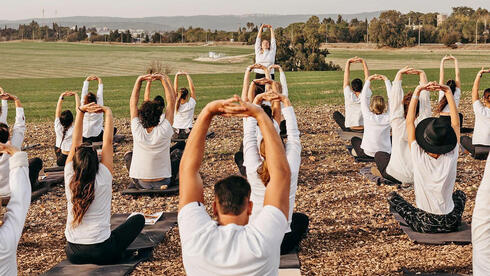
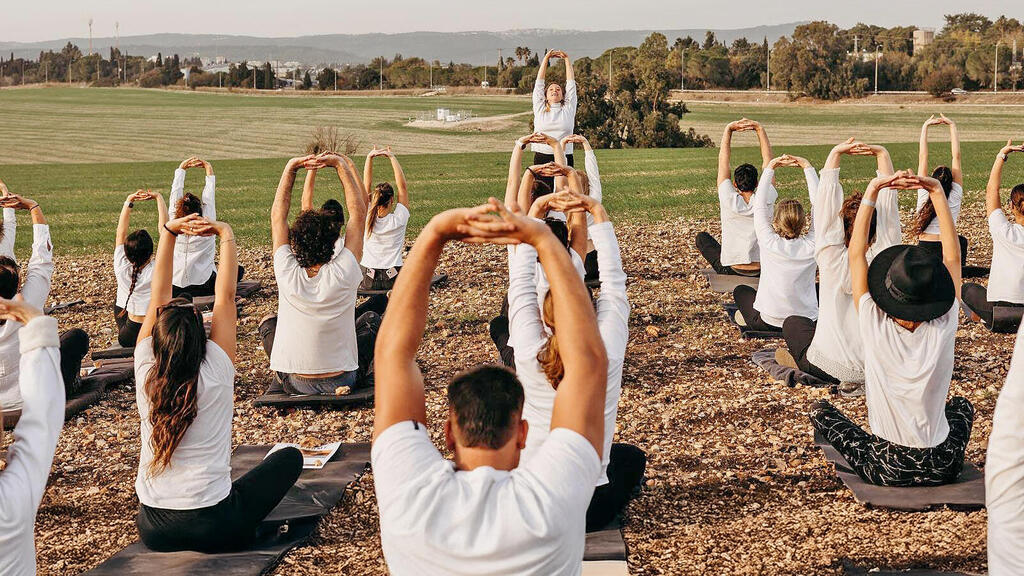
“The changing reality has led us to expand the types of employee engagements,” says Shiri Krynski, VP HR at the company. “We regularly host inspirational lectures by leading figures such as Roni Kuban, Yehudit Katz, and Yoram Yovell, as well as workshops for employees’ families and a range of activities including yoga, Pilates, and paddle.”
At Group 107, which employs 250 people worldwide, large-scale events with hundreds of employees and families have been replaced by smaller, more intimate gatherings.
“Today our employees are spread across cities and countries, many working remotely, and the need has shifted from large, impressive events to more personal and meaningful experiences,” says Adi Katz, CEO of the company. “We now focus on team meetings, small networking events, local activities, hybrid formats, and significantly more investment in learning and personal development.”
“Organizational well-being is no longer measured by the size of the event, but by the value it creates. A good initiative generates positive emotion, meaning, real connection, and belonging. Ultimately, the ability to truly see employees is what builds a strong organizational culture.”
The end of parties: a shift in perception
The change is not only in the nature of events, but in the very concept of employee well-being.
“The world of work in 2026 marks the end of the superficial approach that treated employee well-being as a collection of perks or events. Employees are no longer satisfied with ‘band-aid’ solutions, they expect a holistic infrastructure embedded in organizational DNA,” says Liran Wolf, CEO of Wellspire.
According to her, the shift is from “well-being events” to organizational resilience. “It is no longer a voluntary benefit, but a core system capability in the face of economic volatility, technological acceleration, and burnout.”
She cites data from a 2026 NAMI-Ipsos survey showing that 53% of employees report chronic burnout, 38% say work demands harm their mental health, and 40% fear job loss due to AI. “Organizations that integrate well-being into core infrastructure report 20%-25% higher productivity,” she says.
Ilanit Levi Biton, CEO of iTalent, says the change reflects a deeper cultural shift in high-tech.
“After years of a culture leaning toward ostentation, companies understand that employees are looking for stability, meaning, flexibility, and balance - not gimmicks. In times of uncertainty, well-being becomes a management tool that strengthens organizational resilience. This is part of a cautious maturity in the market: less noise, more depth.”
While many companies are scaling down events and focusing on intimacy and workshops, others are moving in the opposite direction.
“At Sela, we chose to go the other way,” says Carmit Shiffer, VP HR at Sela, a global cloud and AI solutions provider.
“After two years of uncertainty, reserve duty, and heavy mental stress, many HR teams reduced activity. We chose instead to create strong anchors of normality, community, and joy. This is not a denial of reality, it is a conscious decision to build resilience through positivity and shared experiences.”
The company will soon hold a large event at Tel Aviv Port featuring a live performance, alongside Happy Hours and a Shavuot cheesecake competition.
At the same time, Shiffer adds, employees are also seeking professional development: “We added learning sessions on cutting-edge topics such as AI agents, and expanded professional training programs.”



