










Opinion
When capital serves society: The rise of equity donations
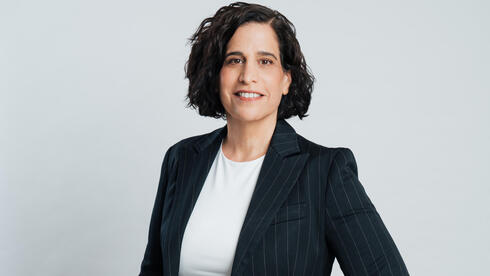
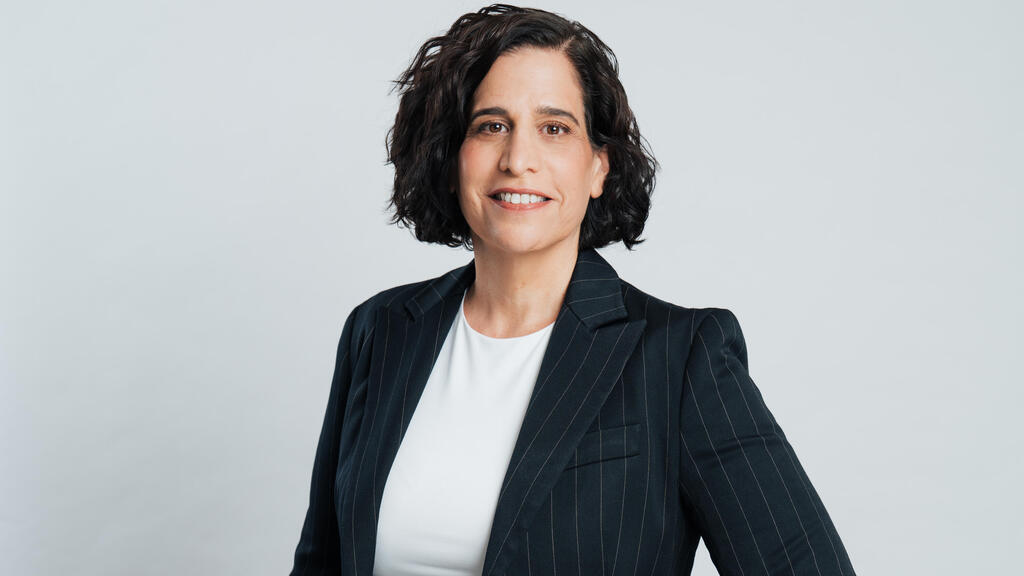
"When financial capital and social capital align, the result is compounded value — for the individual, for the company, and for society. That’s the future we’re seeing globally — and it’s time for Israel to catch up," writes Maya Natan Mozer, Founder and CEO of Keshet.
A growing number of entrepreneurs, investors, and tech leaders are embracing a new mindset: financial success and social responsibility are not contradictory — they are deeply intertwined. Increasingly, business leaders are seeking not only to build profitable companies, but also to embed meaningful impact into their core strategies. One of the clearest expressions of this shift is the donation of equity or pre-exit stock options — a financial mechanism that allows founders and shareholders to plan their philanthropic contributions in advance, maximize their impact, and integrate giving into their business journey from the very start.
In the United States, this approach is already well-established. Donor-Advised Funds (DAFs), a popular vehicle for philanthropic giving, manage over $230 billion in assets across more than 1.8 million active accounts. According to the National Philanthropic Trust, in 2023 alone, Americans contributed approximately $52 billion to DAFs, and nearly $30 billion was granted to nonprofit organizations. The market continues to grow at an annual rate of around 10% in both contributions and distributions.
One of the main advantages of donating equity is financial efficiency: rather than selling shares, paying capital gains tax, and donating the remainder, donors can contribute the shares themselves. This structure allows for a full exemption from capital gains tax and a charitable deduction on the fair market value of the donation. According to Fidelity Charitable, this can increase the effective donation by 20–40% compared to a similar cash contribution. Moreover, assets within the fund remain invested, enabling continued growth and increasing the long-term impact.
Beyond tax benefits, DAFs offer operational advantages — including flexibility, strategic control, and transparency. Donors can contribute equity in one tax year, receive immediate recognition for the donation, and then deploy grants over time, according to their impact strategy.
What about Israel? The model is gaining traction, but is far from widespread. Awareness of equity donation is still limited, and local infrastructure remains underdeveloped. Nevertheless, more Israeli founders and shareholders are realizing the potential to allocate shares pre-liquidity — enabling smart tax planning, risk management, and high-impact philanthropy.
For example, during an exit or secondary transaction, an individual can donate a portion of their shares to a local DAF. This allows for full exemption from capital gains tax on the donated portion, in addition to eligibility for Israel’s Section 46 tax deduction. If the assets continue to generate strong returns, the philanthropic value compounds. In essence, this approach leverages the tools of the capital market to benefit civil society — and Israeli society in particular.
The power of this model is especially evident during times of crisis. Whether during the COVID-19 pandemic or the current war in Israel, DAFs have enabled rapid, large-scale philanthropic responses with professional governance and accountability. In the U.S., institutions such as Fidelity Charitable and the Silicon Valley Community Foundation have deployed billions of dollars in emergency relief, education, and healthcare.
The main challenge today is cultural. Unlike in the U.S., where donating appreciated assets is common practice, in Israel philanthropy is still often seen as a year-end gesture — reactive, time-sensitive, and disconnected from financial strategy.
But times are changing. Equity donations are not a silver bullet, but they represent an emerging infrastructure for strategic philanthropy. They speak the language of capital, apply the tools of investment, and enable donations to grow alongside the wealth itself. When financial capital and social capital align, the result is compounded value — for the individual, for the company, and for society. That’s the future we’re seeing globally — and it’s time for Israel to catch up.
Maya Natan Mozer is the Founder and CEO of Israeli Donor-Advised Fund, Keshet.



