










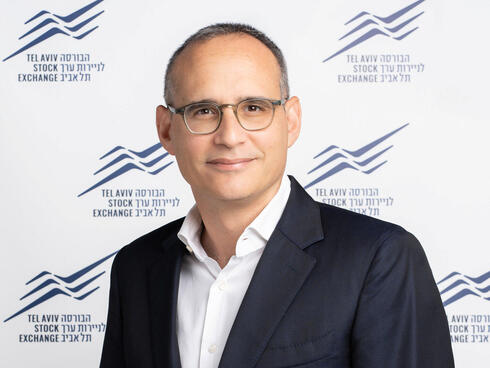
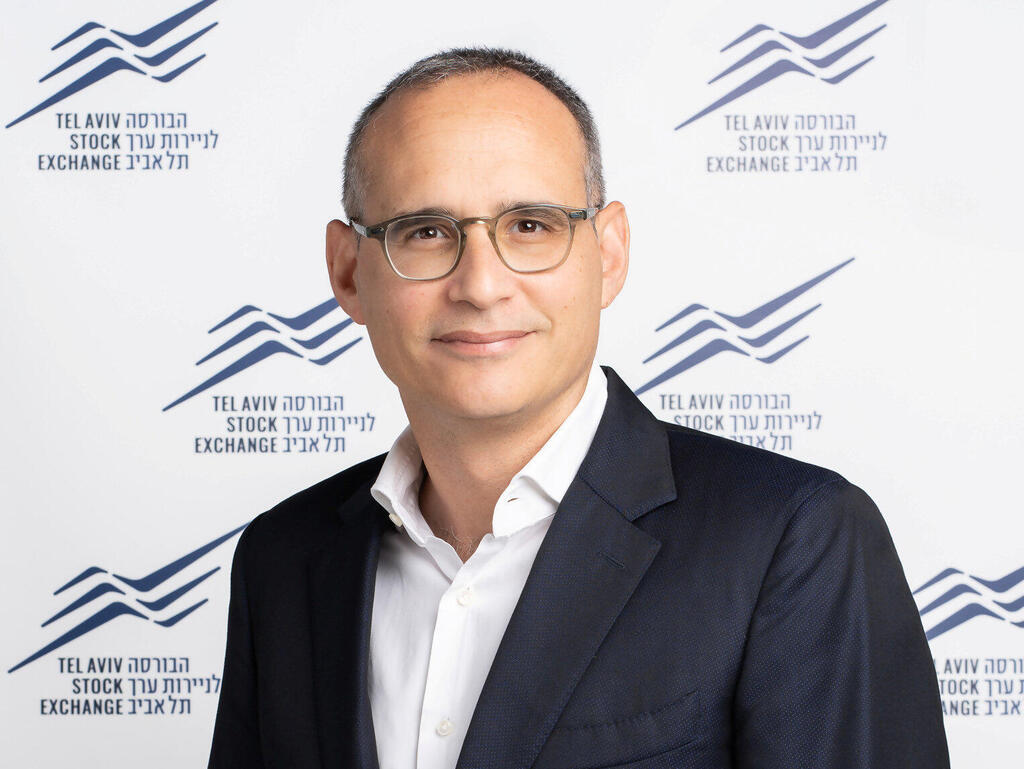
Tel Aviv Stock Exchange CEO offered $1.65 million retention package as his stake reaches $145 million
The proposed package comes as TASE seeks to retain Ittai Ben-Zeev for its next phase, with the exchange targeting $330 million in revenue by 2028 and preparing to become a public holding company.
Alongside the approval of its strategic plan, the Tel Aviv Stock Exchange is seeking to secure the continued tenure of CEO Ittai Ben-Zeev. To help retain him and advance implementation of the plan, the Exchange is asking shareholders to approve an additional conditional grant of NIS 3.5 million ($1.16 million), along with options valued at NIS 1.5 million ($495,000).
The grant is structured as a “retention loan.” Ben-Zeev will receive the NIS 3.5 million ($1.16 million) in November, but will be required to repay the full amount if he voluntarily leaves the company within the following five years.
The new grant would come on top of two similar retention loans awarded to Ben-Zeev in 2019 and 2023. The 2019 loan has already converted into a grant, while the 2023 loan is scheduled to convert into a grant in 2028, provided Ben-Zeev remains CEO. Including the new award, the total value of the conditional retention grants Ben-Zeev has received or is set to receive since becoming CEO reaches NIS 10.5 million ($3.47 million).
The additional equity compensation would consist of 46,800 options, which will fully vest five years after they are granted. Although the Exchange’s compensation policy would permit a substantially lower exercise price, the company has set a significantly higher target for Ben-Zeev: NIS 240 ($79.21) per share, representing an 88% increase from the current share price.
If the target is reached, the Exchange would have a market value of approximately NIS 22.3 billion ($7.36 billion), compared with its current valuation of NIS 11.9 billion ($3.93 billion).
An 88% increase may appear ambitious, but the Exchange’s own recent stock performance provides a striking benchmark. Over the past five years, its shares have surged 800%, compared with a 297% gain in the TA-Financials index, of which the Exchange is a component, and a 121% increase in the benchmark TA-125 index.
The NIS 240 ($79.21) exercise price is therefore substantially higher than the minimum required under the compensation policy, which would set the exercise price at 10% above the latest share price. But measured against the Exchange’s historical performance, the target is less extraordinary: the company’s stock has risen far more than 88% over both the past five years and since its public debut.
The gap between the Exchange’s performance and the broader market becomes even more pronounced when measured from its IPO in August 2019. Ben-Zeev, who has served as CEO since 2017, led the company through its transition to a public company and subsequently oversaw a series of significant changes, including the 2023 sale of the banks’ holdings in the Exchange and the launch of Friday trading earlier this year.
Since its IPO, the Exchange’s stock has soared 1,595%, bringing its market capitalization to NIS 11.9 billion ($3.93 billion). Over the same period, the TA-Financials index has gained 504%, while the TA-125 has risen 206%.
The rise in the share price has also significantly increased the value of Ben-Zeev’s personal stake. He currently owns 3.7% of the Exchange, worth approximately NIS 439 million ($145 million).
Ben-Zeev acquired the stake by exercising options granted to him in 2019. He received 4.25 million options at an exercise price of NIS 12 ($3.96) per share and exercised them in November 2024, acquiring 3.4 million shares at NIS 43.76 ($14.44) per share. The transaction had a total value of approximately NIS 150 million ($49.50 million) and created a spread of about NIS 100 million ($33.00 million) between the option exercise price and the price at which he acquired the shares.
Since the November 2024 exercise, the stock’s rise has generated an additional “paper profit” of approximately NIS 290 million ($95.71 million) on those shares.
Ben-Zeev also holds 544,000 options granted in June 2023, which will fully vest in June 2028 and have an exercise price of NIS 40 ($13.20) per share. At the latest closing price of NIS 128 ($42.24), exercising those options would currently represent a “paper profit” of up to NIS 48 million ($15.84 million).
His cash compensation has also been substantial. From 2017 through the end of 2025, Ben-Zeev accrued salary and bonuses costing the company NIS 38.2 million ($12.61 million), excluding equity-based compensation. The Exchange estimates that another NIS 5.6 million ($1.85 million) in salary and bonus costs will be recorded in 2026.
Including projected 2026 salary and bonuses and the retention loan that has already converted into cash, Ben-Zeev’s total compensation during his tenure is expected to reach approximately NIS 48 million ($15.84 million). Subject to shareholder approval, he will also hold an additional NIS 7 million ($2.31 million) in retention loans that are scheduled to convert into cash in the future.
That would leave Ben-Zeev with shares currently worth NIS 439 million ($145 million) and options that, based on the current share price, represent a potential profit of up to NIS 48 million ($15.84 million), in addition to the retention payments.
The compensation proposals come as the Exchange prepares to implement a new strategic plan. At the center of the plan is a transition toward a public holding company structure, under which the Exchange, its clearinghouses, and its indices, data and technology operations would operate as separate entities.
The new structure is intended to make it easier for the group to pursue acquisitions, bring in partners and expand into new areas. The Exchange also plans to establish subsidiaries for fund custody and administration services, part of an effort to reduce its reliance on trading and clearing as its primary sources of revenue.
The company is targeting annual revenue growth of 15% to 18%, up from the 10% to 12% growth rate projected in its current plan. It aims to reach approximately NIS 1 billion ($330.03 million) in annual revenue by 2028, compared with NIS 564 million ($186.14 million) in 2025.



