










Opinion
The AI revolution is already here - and this time, it’s not waiting for anyone
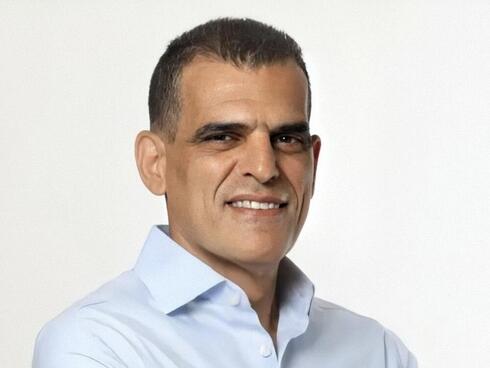
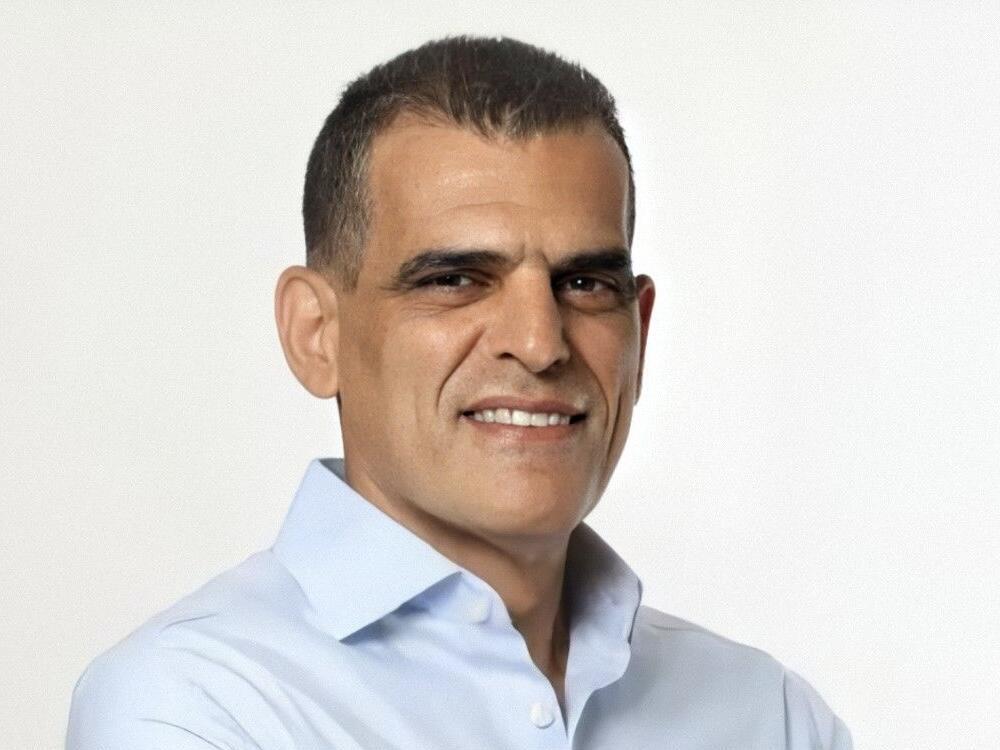
"This revolution is not waiting for traditional workplaces to be ready. It is already here, reshaping reality at a pace we have never known. The choice now is between being dragged along by technology or leading it," writes Alon Ben Zur, Chairman of the Israeli High-Tech Association and CEO of Bynet Data Communications.
Every technological revolution has a moment when it seems like nothing is happening-until, in a single instant, everything changes. Like a kernel of corn lying still in a microwave: for minutes it heats up and nothing happens, and then, when the temperature reaches exactly 180 degrees, it pops. That’s how revolutions unfold. They don’t happen in a moment; they simmer for a long time before we recognize them. That is precisely what the past decade in artificial intelligence has looked like: years of research operating under the radar, largely unnoticed and then, within a matter of months, a true revolution.
It’s important to understand that this revolution did not begin with ChatGPT. It dates back to 1950, when Alan Turing first asked whether machines could think. Decades passed, what we might call the “Early AI” era-marked by enormous theoretical work but few practical outcomes. In the early 2000s came the era of “Modern AI”: robotics, autonomous vehicles, image processing. Impressive developments, yet still distant from our everyday lives. Then came 2023, the year two domains converged for the first time: the computational power of GPUs and the linguistic capabilities of large language models (LLMs). The moment machines could understand us, speak with us, respond to us, and generate content, we recognized that a genuine revolution had arrived.
From that point on, AI is no longer just another field, it is infrastructure. A catalytic technology influencing every sector: healthcare, industry, education, cybersecurity, aviation, marketing, knowledge management. And it’s not only about intelligence - it’s about power. Moore’s Law, which for decades held that computing performance doubles every two years, is no longer relevant. Today, we are seeing computing power quadruple annually. At that pace, within a decade we’re talking about a million-fold increase. It’s hard to grasp such a number, but it explains why the pace of change is so sharp and rapid.
Amid all this excitement, it’s worth pausing to examine the less glamorous side. Nearly every organization in the world talks about AI today, yet only a small minority succeed in truly implementing it. Recent surveys show that 95% of companies are trying to adopt AI, but only 12% manage to create a process that actually works and delivers value. This isn’t because the technology isn’t ready - it’s because the organization isn’t. Fear of change, lack of clear KPIs, overly ambitious projects, and natural friction between employees and the integration of machines into daily work all stand in the way. AI doesn’t work “on the side.” It requires courageous leadership, precise goal-setting, small projects, short feedback cycles, and above all, commitment.
The most complex, yet most important, issue is AI’s impact on the labor market. Unlike the Industrial Revolution, which disrupted physical labor, the AI revolution will primarily affect white-collar jobs. Intellectual roles, engineers, analysts, lawyers, back-office professionals will be on the front lines of change. Some roles will disappear, others will evolve, and some will become more valuable than ever. This is not a threat; it is a natural shift. Those who learn to work alongside AI will be worth more.
Israel, whose high-tech industry is the backbone of its economy, cannot afford to fall behind. Now is the moment for organizations to choose: embrace change or fear it. Success must start at the top. Management must lead, not merely approve. Choose one measurable project with clear KPIs, ensure employees are partners in the process, integrate the system into real workflows, and don’t let it operate on the organizational sidelines. A model that doesn’t learn doesn’t improve. And if it isn’t embedded in daily routines, it will remain inert and fail to evolve.
This revolution is not waiting for traditional workplaces to be ready. It is already here, reshaping reality at a pace we have never known. The choice now is between being dragged along by technology or leading it. Those who act today will build a massive competitive advantage for years to come. Those who wait will find themselves facing a labor market that has already changed. This is not merely a technological revolution, it is a human one. It is far larger and more consequential than the digital revolution, and it presents profound challenges. It compels us to begin acting now and to embrace it across every organization.
Alon Ben Zur is Chairman of the Israeli High-Tech Association and CEO of Bynet Data Communications.



