









Intel Capital, Greenfield and founders headline winners in DustPhotonics exit
Early backers reap outsized returns from Credo’s up to $1.3 billion acquisition, with Greenfield poised for a roughly 10x gain, Intel Capital securing a strong exit from its early stake, and the company’s founders each set to receive tens of millions as the silicon photonics bet pays off.
A day after the headline-grabbing sale of DustPhotonics, the contours of the deal’s biggest winners are coming into sharper focus.
The company, chaired by veteran investor Avigdor Willenz, is being acquired by Credo Technology Group for $750 million in cash and an additional $123 million in shares. The agreement also includes a potential earnout of up to 3.2 million additional Credo shares, currently valued at approximately $430 million.
While the strategic rationale for Credo, traded on Nasdaq at a market value of around $24 billion, is clear, the immediate financial upside is concentrated among a relatively small group of investors and founders.
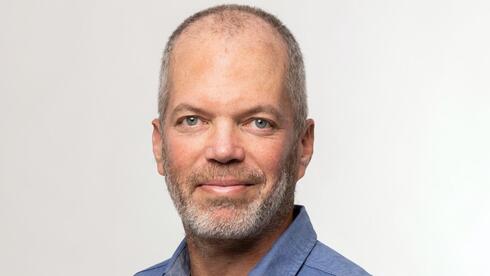
The standout beneficiary is Greenfield Partners, the company’s largest shareholder since 2021, which is expected to generate a return of roughly ten times its initial investment. Intel Capital, an early backer, holds about 7% of the company and stands to realize a significant gain. Willenz himself, with an estimated 6% stake, is expected to receive around $50 million from the transaction.
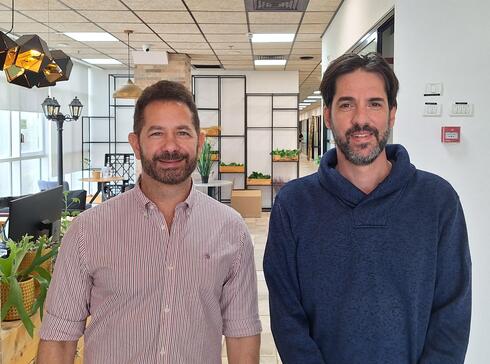
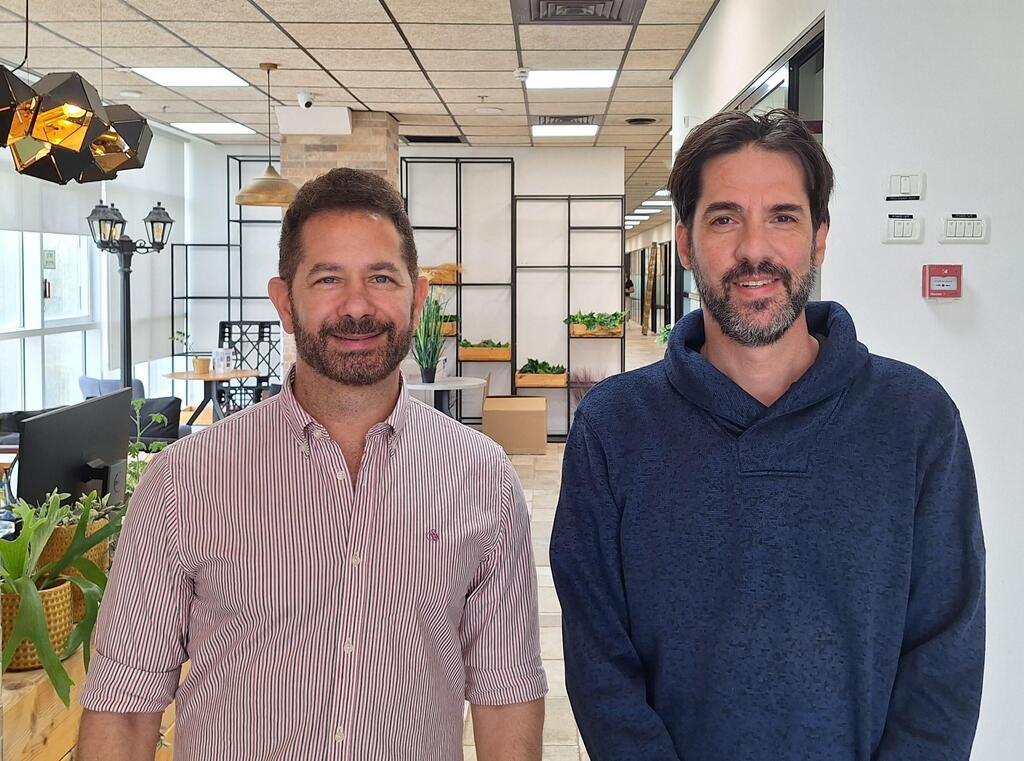
The founding team, Ben Rubovitch, Dr. Kobi Hasharoni, Amir Geron, and Yoel Chetrit, each hold approximately 3% of the company, translating into proceeds of roughly $35 million per founder.
Founded in 2017, DustPhotonics raised about $150 million over its lifetime from investors including Greenfield Partners, Sienna Venture Capital, Exor Ventures, Atreides Management, and Willenz. In its most recent funding round in December 2025, led by KEY1 alongside Atreides, the company was valued at approximately $500 million. At that valuation, the upfront portion of the deal represents a moderate uplift, with the full upside contingent on meeting performance milestones tied to the earnout.
The company’s trajectory was shaped by a critical strategic pivot in 2021, when it shifted from manufacturing end-user components such as transceivers and cables to focusing exclusively on chip development. As part of that transition, Ronnen Lovinger was appointed CEO. The move appears to have paid off: following the shift and the completion of its core technology, DustPhotonics recorded accelerated sales growth over the past year, drawing the attention of Credo, which approached the company several months ago.
DustPhotonics employs about 80 people, primarily in Modi’in, and is expected to serve as the basis for a new Israeli development center for Credo.
Despite its relatively low public profile, the company operates in one of the semiconductor industry’s fastest-evolving segments: silicon photonics. Its chips integrate optical components directly onto silicon, enabling high-speed data transmission with lower energy consumption, supporting data rates of 400Gbps, 800Gbps, and up to 1.6Tbps.
The sector has gained momentum as data centers face growing bottlenecks in handling the vast data flows generated by artificial intelligence workloads. Traditional copper-based infrastructure, developed before the AI era, is increasingly unable to meet these demands. Silicon photonics offers a potential solution by improving speed and reducing energy consumption, particularly as power constraints begin to limit the construction of new data centers in some regions.
Adoption remains relatively limited, estimated at 20% to 30%, but is expected to expand significantly in the coming years.
For Credo, the acquisition represents a strategic push into this high-growth segment. The company expects its optical business to reach an annual revenue run rate of approximately $500 million by 2027, up from total revenue of $436 million in fiscal 2025, with projections of around $800 million for the current year driven by demand for AI infrastructure.
The deal also comes amid a broader surge in investor interest in silicon photonics. At a recent industry conference, Jensen Huang highlighted photonics as a core component of future AI infrastructure, reinforcing the sector’s strategic importance. Nvidia has also backed that view with a $4 billion investment split between Lumentum and Coherent, both active in the same space.
Israeli chipmaker Tower Semiconductor has similarly moved to capitalize on the trend, investing $650 million in new silicon photonics production lines over the past year.
Against this backdrop, the DustPhotonics sale highlights not just the strategic direction of the market, but also the concentration of financial gains among early believers, investors and founders who positioned themselves ahead of what is now emerging as a critical layer of AI infrastructure.



