









Israeli healthtech faces a more selective funding market after the war
In a sector defined by long timelines, regulatory hurdles, and sustained capital needs, overseas investors have become more selective and more price-sensitive.
Israeli healthtech startups have entered a more selective and risk-sensitive fundraising environment since the outbreak of the war, according to venture capitalists active in medical devices and digital health.
While the hesitation they describe is not unique to healthcare, the sector’s longer development timelines, regulatory complexity, and dependence on sustained overseas capital have made shifts in investor behavior a more pressing issue.
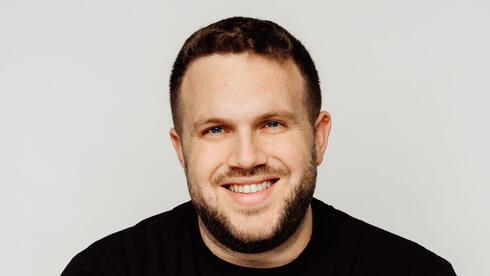
“So naturally, with the war and everything that is going on, it's much more challenging to raise money for an Israeli company,” said Eran Lerer, managing partner at Shoni Health Ventures. “And there are a lot of hesitations from global investors.”
3 View gallery
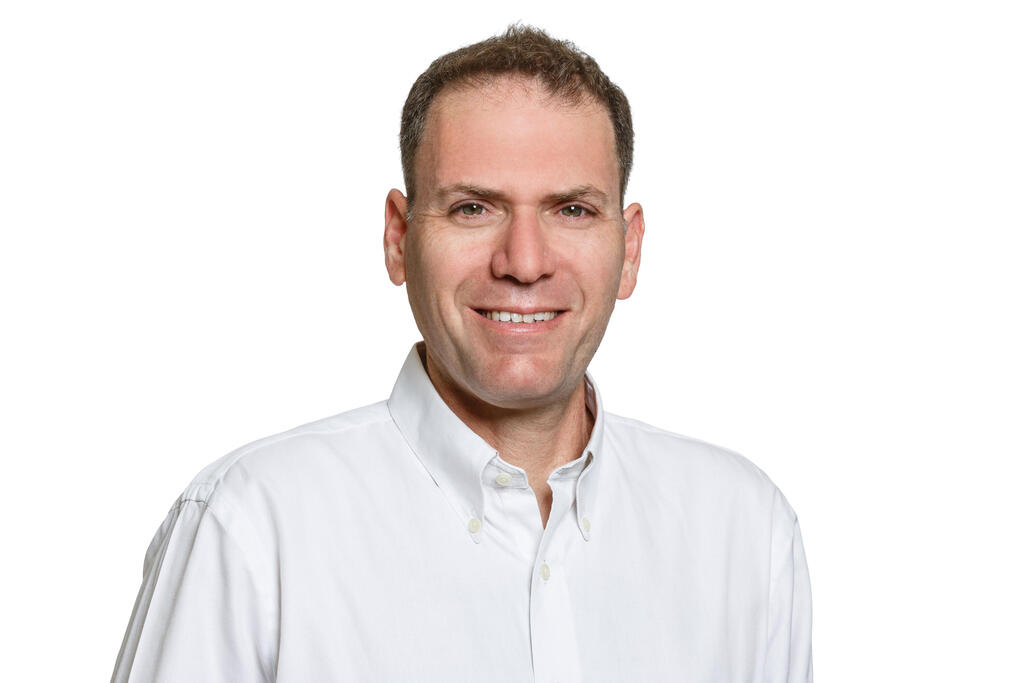
Shai Policker, managing partner at Edge Medical Ventures.
(Photo: Edge Medical Ventures)
Unlike software startups that can reach market quickly with limited capital, healthtech companies, particularly in medical devices, typically require years of development, regulatory approvals, and clinical validation. That structure makes them more exposed to changes in European and U.S. investor appetite, even when capital has not disappeared outright.
For medical device investors, the most pronounced shift has been in Europe. Shai Policker, managing partner at Edge Medical Ventures, said European investors have often disengaged once companies are identified as Israeli.
“In most cases they would just not even respond. We've definitely seen that, especially during the last year, and especially in Europe,” he said.
At the height of the conflict, that hesitation translated into a near-complete pause. “In Europe, it was really completely blocked for all purposes for a while.”
A matter of optics?
Policker stressed that the pullback he encountered was rarely about doubts over Israeli companies’ ability to operate during wartime. In medtech, he said, investors generally understand that clinical programs, engineering work, and regulatory processes continue even under stress.
Instead, the concern was often reputational.
“For the few that actually were more open and transparent with us, it was about public opinion,” he said. “At least one large company actually said ‘we are worried about how our employees will react.’”
Despite that caution, Policker said Israeli healthtech companies have continued to meet milestones, reinforcing a long-held perception of resilience in the sector.
People have seen again and again that the economic activity and innovation activity in Israel doesn’t stop when you have hard times like that,” he said.
“If anything, I’ve heard the opposite. People are very impressed by Israeli companies that are delivering and beating milestones.”
Policker argued that Europe’s reduced role in Israeli medtech is not solely a wartime phenomenon. Regulatory unpredictability, fragmented reimbursement systems, and slower commercialization pathways had already been pushing companies toward the U.S. market well before October 7.
“There was like a shift towards the U.S. quite a while ago, way before October 7th,” he said.
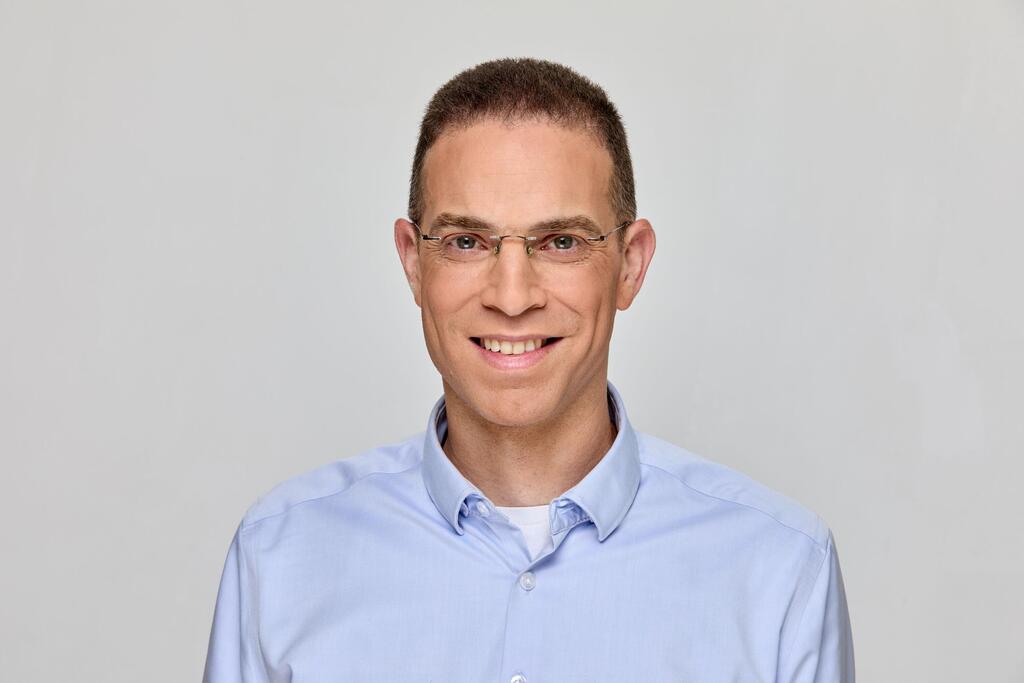
Shoni Health Ventures’ Lerer said the war has compounded existing challenges in digital health, where global investment trends are reshaping how capital is allocated. While he sees the hesitation as sector-agnostic, its impact is magnified in healthcare because of longer runways and higher capital needs.
“Some investors, either from Europe or from the U.S., say ‘well, it's too messy. Let's wait. It's not worth the risk because we can invest in companies from the U.S. or companies where it's quieter and there's no additional risk,’” he said.
At the same time, he said Israel-aligned investors have become more active.
“Some of the Jewish investors around the world – whether these are angels or funds that believe in the Israeli economy and capabilities and the innovation spirit and the fact that there are waves throughout history – they said, well, I'm pro-investing.”
Risk, not bad reputation
Mati Gill, CEO of AION Labs, offered a more skeptical view of claims that optics or ideology are driving investor behavior. Gill said that while the war clearly adds risk, it is typically folded into standard investment calculus.
“The two years of the war obviously adds risk to an investment, but that's not always going to be the driving factor,” he said.
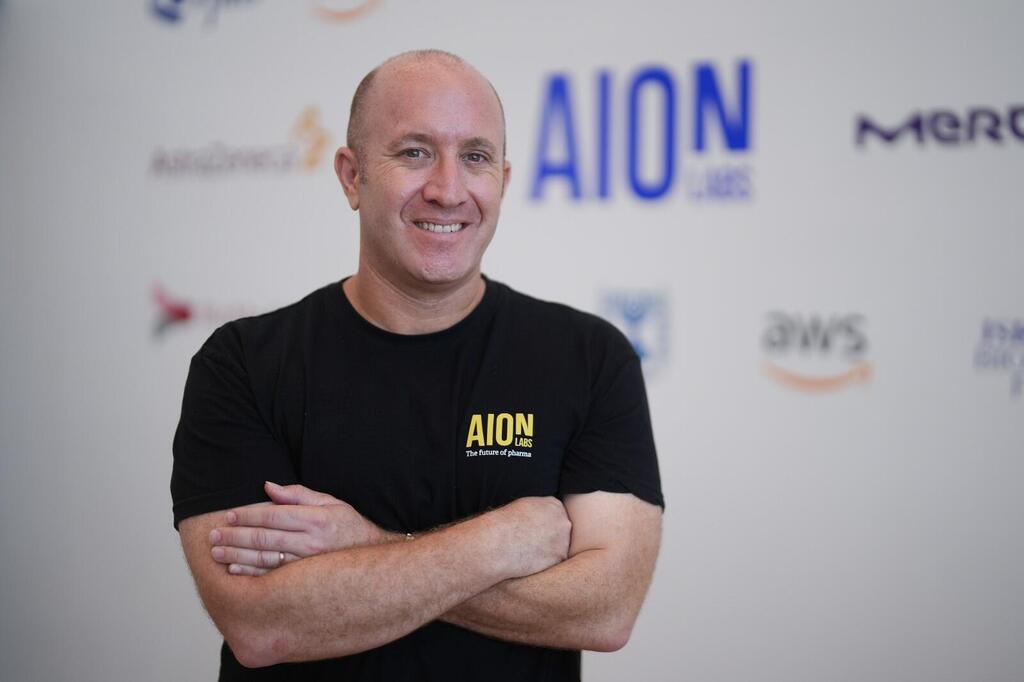
In practice, he said, that risk tends to show up in pricing or conviction thresholds.
“So maybe they'll lower the price because of the risk factor. Or maybe they'll need to really like it because of the risk factor, not just kind of like it.”
Gill said he has not personally encountered investors avoiding Israeli startups because of reputational concerns or antisemitism. Instead, he said venture capital behavior remains fundamentally commercial.
“Ultimately investors are usually capitalists,” Gill said. “Their number one concern as a VC is to bring returns to their investors.”
Despite ongoing uncertainty, Gill said he sees growing signs that overseas engagement is returning and that the ecosystem is adjusting.
“I'm very optimistic because I'm seeing investors return,” he said. “Conferences are happening. We're planning for 2026 as if we're back to normal.”
Gill added that Israel’s scientific and technological base continues to draw attention regardless of geopolitics.
“The science and the technology that we're able to develop here is outstanding and world-class.”



