








“Don’t chase double-digit returns. Build portfolios that survive downturns.”
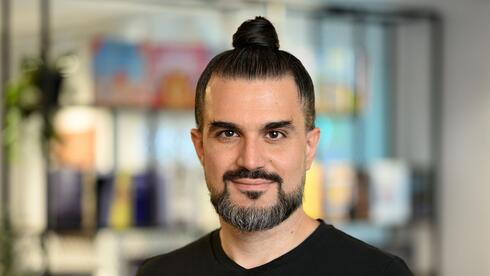
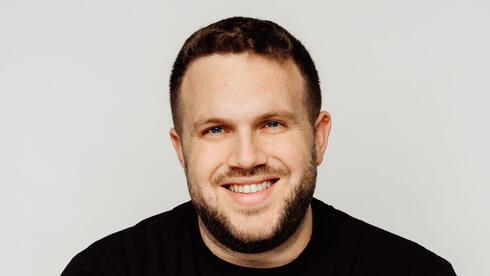
Michael Krinner, global head of advisory and sales at EFG Bank, noted that “markets will be good in the end, but the road has ups and downs." Yasmin Lukatz: "Other countries are opening development centers here to use our human capital." Avner Mendelson, CEO of IDBNY: "Israel is becoming a medium-sized economic power."
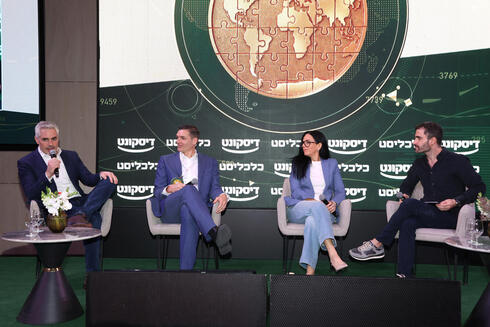
"Globalization is being updated. It's not just noise, and it's not a fracture either, there is a rewriting of the global economy. We are moving from a world where global trade was about cost and efficiency to a world where it is about security, alliances, and political influence, and Israel fits well into the emerging structure," said Avner Mendelson, CEO of IDBNY, at a panel on “Global Investment Insights and Their Impact on the Israeli Market,” moderated by Yarden Rozanski as part of the Calcalist and Discount Global Economy Conference. Also participating in the panel were Michael Krinner,Global Head of Advisory and Sales at EFG Bank, and Yasmin Lukatz, venture capitalist and founder of ICON and Code for Israel.
Michael, Israel naturally focuses on the U.S. when looking beyond the domestic market. Given global changes, is the U.S. still the most attractive place to invest?
Krinner: "We believe that even in 2026 it will be an effective market and will have the highest growth outside of China and India. There is a very resilient labor market, inflation is not rising, and structurally the U.S. has a technological lead and this will drive valuations. A lot of people are worried about valuations. The valuations are high, but not compared to the dot-com bubble, and we have also seen growth. Therefore, it is an attractive market, but not the only one. You should not exit or avoid investing in the U.S."
1 View gallery
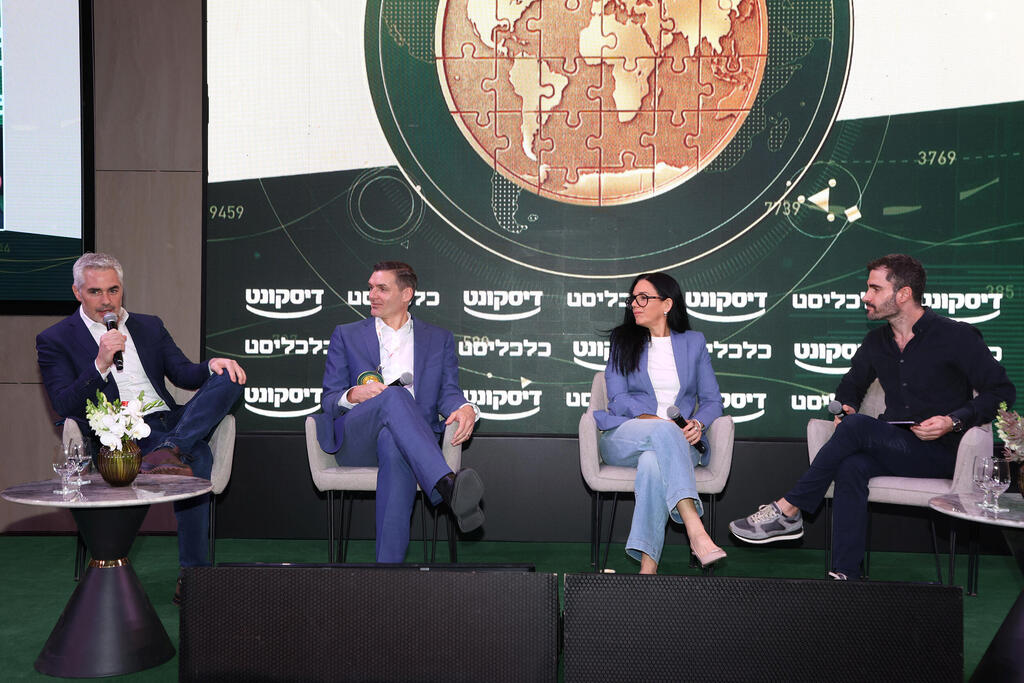
Global Investment Insights and Their Impact on the Israeli Market panel.
(Photo: Yariv Katz)
Where else in the world are there investment opportunities?
"We see opportunities in emerging markets. We expect the dollar to be stable to weak. Many of these economies have commodity exports, so we see opportunities in equities."
Mendelson added that he believes fiscal risk in the U.S. is underestimated. "I think we are seeing, as in other parts of the world, that you have to accept that interest rates will be high for a long time, and that's something that needs to be taken into account. The implications for equity investments are that you have to use a higher discount rate. The same goes for real estate or infrastructure investments, there will be a high interest rate environment in the coming years, and you have to take that into account."
Yasmin, the macro environment shapes the entire investment environment. What are global investors looking for today when investing in Israeli tech?
Lukatz: "I don't think anyone would say anything other than AI. Is there hype? I once worked in Las Vegas and there was a magazine with the headline 'Is Las Vegas overbuilt?', but it was from 1950. There is no sector that AI doesn't touch. In addition, robotics, quantum, infrastructure investment, defense tech, everything in deep tech, is the strength of the State of Israel. With opportunities come risks: Will we invest enough in academia? Will there be enough talent here? I already see other countries opening development centers here to use our human capital. We need to do the same."
Do you think Israel is behind in AI?
"People worry that we don't have our own LLM, but we also don't have our own cloud infrastructure. There are so many opportunities. We need a strategic plan for using AI, and we need to invest more in academia and in AI infrastructure. But it's okay that we don't have LLMs."
Krinner: "I agree that it's not a problem of lacking LLMs. There's a lot of ‘noise’ about AI from U.S. companies, but that doesn't mean nothing is happening elsewhere, it’s just that we don’t hear about it. I believe it's because much of it is being done by private companies. In defense, cyber, and AI, a lot is happening, but not all these companies are traded. That doesn’t mean they should be overlooked. People need a diversified portfolio."
Avner, what is the blind spot regarding Israel?
Mendelson: "Israel is often viewed through the prism of security and geopolitics, but Israel is becoming a medium-sized economic power. The opportunities here are much deeper than the ‘startup nation.’ There is AI, health tech, the opportunities are broader and deeper."
Looking ahead to 2026, what should the audience take away?
Lukatz: "I think we need to stay united. Maximize this unity, put divisions aside, and focus on common goals in everything we do."
Krinner: "Markets tend to look beyond politics. Some countries fear terrorism; you have suffered a lot and lost opportunities, but you need to build a durable portfolio. Spread risk. Don't chase double-digit profits, if there is a fall, everyone runs, and you may be the last to get out. That doesn’t mean you should be pessimistic; just know that markets fall. Don't panic, and build a portfolio that can survive downturns. You need to be in a position where you don't lose everything. Markets will be good in the end, but the road has ups and downs."
Mendelson: "What we have seen this year regarding the ‘rewriting’ of the global economy is not new, but something that has been unfolding for a decade. The economy revolves around security and resilience, and Israel has strategic importance."



