









"Making a game fast is not the goal, the goal is staying power"
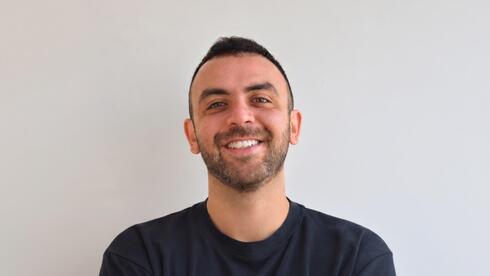
Yaron Leyvand, Executive Vice President and Head of Mobile Studios at Zynga, explained why AI doesn't make gaming companies redundant: "There is more than producing lines of code fast."
"Making a game fast is not the goal. The goal is staying power," said Yaron Leyvand, Executive Vice President and Head of Mobile Studios at Zynga, in a conversation with Calcalist reporter Omer Kabir at the Calcalist, Google and Playtika Gaming Conference. At the start of the conversation, Leyvand joked: "Maybe you've heard of a new game called GTA. The game is amazing."
1 View gallery
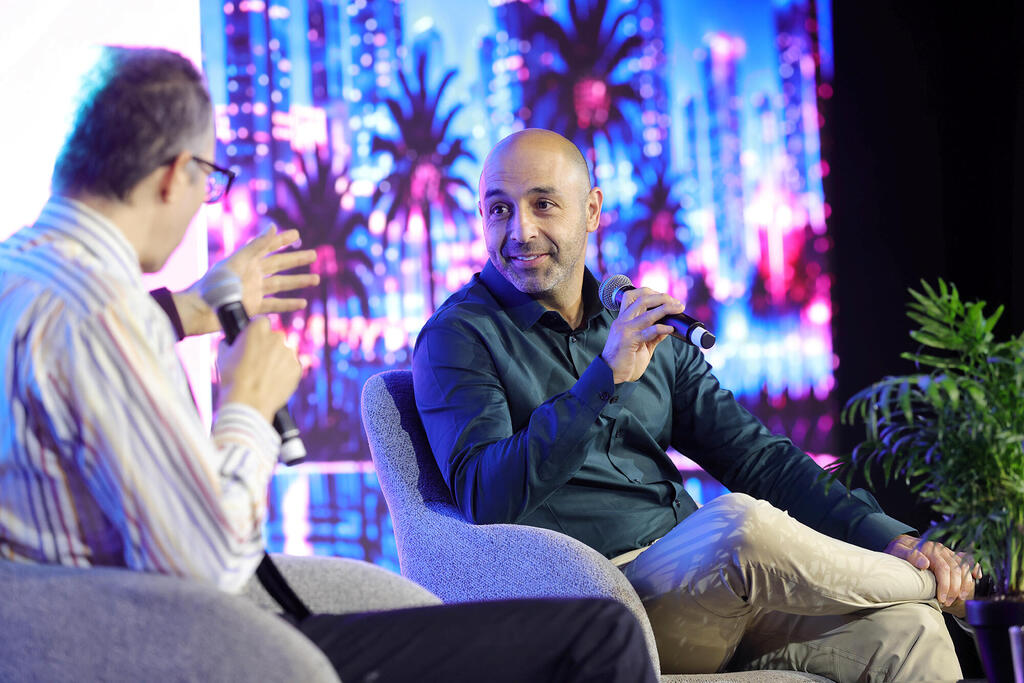
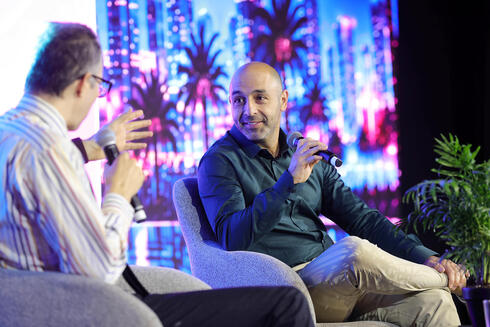
Yaron Leyvand, Executive Vice President and Head of Mobile Studios at Zynga.
(Photo: Oz Mualem)
Have you seen Playground [Google's experimental platform for building playable games from text prompts]? Why are you still necessary?
"It's not simple. If you want a game that will last for years and become a successful business, it's not something you can achieve in a minute. Let's imagine we're not in the gaming industry, but in NASCAR, where car races are held in the United States. If someone invents a better wheel, who will win? The person who knows the field or the newcomer? In other words, it's about much more than producing lines of code quickly. Those who fail to adapt won't survive. The playbook has to be rewritten. Creating new games is still difficult. Many have tried to imitate us, and it has cost them quite a bit."
So what's your secret?
"Making a game fast is not the goal. The goal is staying power. We have more time to think about design, and we understand that there are startups trying to produce better games."
Is the center of gravity shifting from technical development to creativity?
"Let's divide it into two parts: design and the depth of the game, its vision. What sets us apart? I've been at Zynga for 13 years. Ten years ago, we focused on making a better product. Today, we're also thinking about how to market it."
Most people associate you with games like FarmVille. Where does the revenue come from today?
"We've changed the way we develop games and how we motivate players within existing games. We're active in this area and will become even more so. Zynga includes Peak, Small Giant and Gram Games. There are many brands that are part of Zynga. Our approach will continue to be to grow organically."
How do you integrate AI? You said it is being used across the entire value chain, but how does it work in game development?
"Developing new games is the area where it's easiest to work with AI because we don't have the baggage of the past. You need to test new ideas, even when the chances of creating a successful game are not high. That's what makes it possible to introduce change or move on to a new idea. The number of ideas is enormous, virtually infinite. That's where it starts. And because of this capability, the amount of testing before something reaches a potential player is enormous. That's where most of the effort goes. So how do you test? Someone has to come up with an idea, a concept, and then you go through iterations."
And the person coming up with the idea is still human?
"We're not looking to copy an existing game. We want to create something new, and that requires a person behind it. In the gaming world, there's a combination of art and science. The idea comes from people. Perhaps we'll reach a stage where we can do things more cheaply and more precisely."
How does this work in marketing and tailoring campaigns to specific markets?
"These tools have given us the ability to reach audiences more deeply. We have a product aimed at the Turkish market. There is, for example, a Turkish community in Germany that we can reach. We ran a campaign featuring a DJ who speaks German, targeting young people aged 20 to 30 in the Turkish market. It took just a few days."
Looking two years ahead, how will AI affect the gaming market?
"We'll be able to do things in a deeper way. The good companies will become better at personalization. If we look at what keeps users engaged, we've begun to become a company that connects different worlds and games. The social component is essential to the experience, and the games that manage to deepen that aspect will win."



