









Intel let RealSense go. Now Cognex is paying $600 million to buy it
The Haifa-based robotics company grew rapidly after its spinout 14 months ago, and its CEO says independence allowed it to pursue opportunities that would have been difficult to develop inside Intel.
RealSense, the robotics and computer vision company spun out of Intel just 14 months ago, is being acquired by U.S.-based Cognex in a deal valued at approximately $600 million, turning what was once an uncertain Intel research initiative into a substantial exit in the rapidly growing market for robotic perception and Physical AI.
Cognex, which is listed on Nasdaq, will acquire RealSense for approximately $500 million in cash, financed entirely from its existing balance sheet. In addition, Cognex will provide a three-year cash retention program worth $56.5 million at target for RealSense employees, subject to performance modifiers, and grant them restricted stock units valued at approximately $50 million. According to RealSense CEO Nadav Orbach, 46, most of the company's Israeli employees will receive at least NIS 1 million ($330,000) as part of the transaction, with many receiving more.
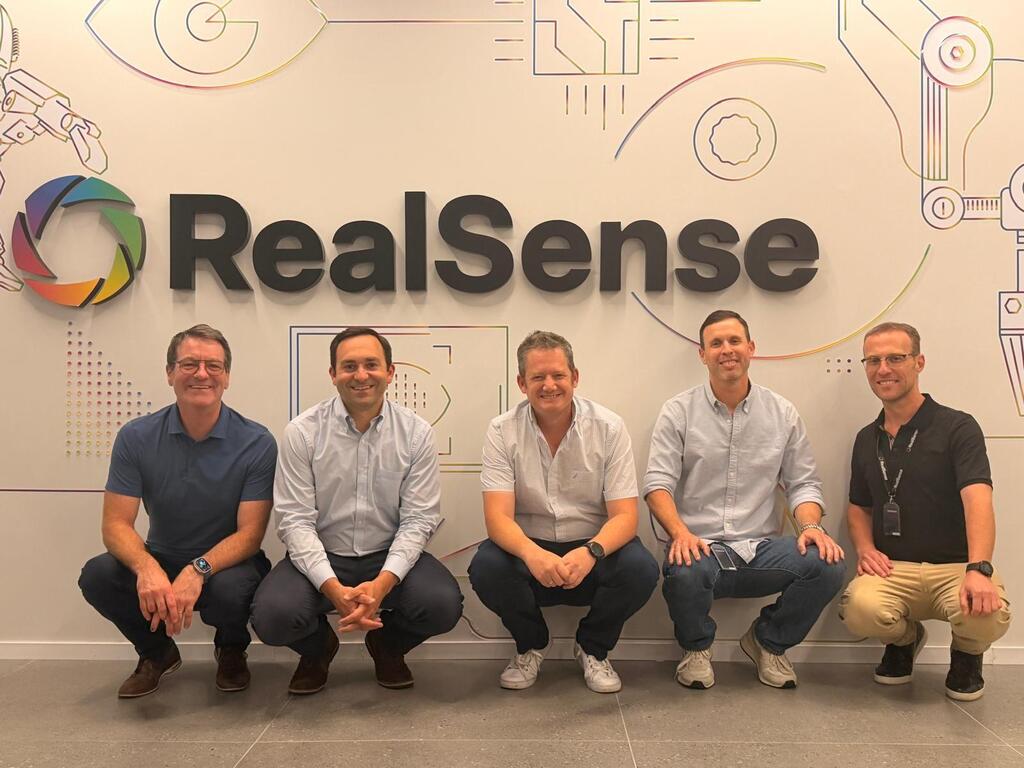
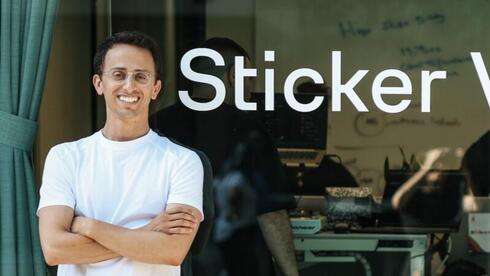
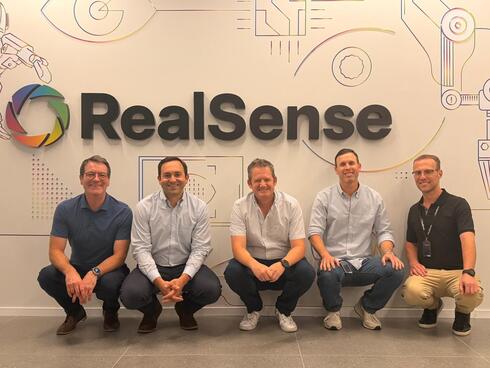
The deal will be particularly significant for RealSense's 180 employees, 135 of whom are based in Israel at the company's offices in Haifa, near Intel. "Our team turned technological excellence and hard work into rapid growth and an acquisition deal within just over a year of independence. This is an achievement for the employees, and it was important to us that their contribution be reflected in their share of the deal's success," Orbach says.
RealSense develops depth cameras and computer vision technologies that allow robots and autonomous systems to perceive and understand their surroundings in three dimensions. Its technology enables machines to identify objects, estimate distances, navigate their surroundings and operate more safely and independently.
The company's technology is used in fixed-arm perception-guided robotics, autonomous mobile robots, quadrupeds and humanoid robots. RealSense says it has more than 4,500 customers worldwide.
The company began in 2014 as a research initiative founded by Intel. Over the years, Intel acquired several companies in an effort to build a position in 3D cameras and facial recognition, but the business struggled to find a sufficiently strong commercial role within the chipmaker.
In July 2025, as part of a restructuring process led by former Intel CEO Pat Gelsinger, Intel spun out the unit. Orbach, who had previously headed an Intel division with nearly 1,000 employees, was appointed CEO.
The newly independent company raised $50 million in funding led by a prominent private equity firm specializing in semiconductors, with participation from MediaTek Innovation Fund, Intel Capital and dormakaba.
Since the spinout, RealSense has expanded its operations, significantly increased its workforce and tripled its revenue. The company expects to generate $80 million to $90 million in revenue in 2026, representing growth of more than 50% from the previous year. It has also been profitable for the past two quarters.
"When we spun out, RealSense had quarterly sales of just $8 million; there was debate about whether to continue operations at all, since Intel hadn't really managed to find a use for the technology developed for its products," Orbach told Calcalist. "I sat down with Pat Gelsinger and said, 'Don't shut it down, let me spin it out,' and he agreed. I wouldn't say Intel regrets it today, but it’s clearly a missed opportunity for them. You have to remember that Intel was in a tough spot back then, this was before the robotics boom, and it would have been difficult to build what we’ve built over the past year had we stayed within Intel. Operating independently allowed us to approach many aspects, including marketing and sales, in a new way. Today, we also work closely with Nvidia, and obviously, that wouldn't have been possible if we had remained part of Intel," he adds.
Intel still holds a 20% stake in RealSense and has one seat on its five-member board, meaning it will benefit from the sale alongside the investors who participated in the company's $50 million funding round last year. The company's largest shareholder is currently a major Taiwanese investment fund specializing in the chip industry.
Employees and executives also hold a significant stake, amounting to tens of percent of the company, making the transaction a substantial outcome for them as well.
The roughly $600 million transaction comes as investor interest in Physical AI has grown sharply, but the companies are framing the deal primarily around the underlying growth of robotic perception. Cognex estimates that the robotic perception market is worth approximately $600 million today and expects it to grow by more than 25% annually to about $1.6 billion by 2030.
"We weren't swayed by the hype, and the multiple might indeed not be high, but we have results to show for it; once we saw Cognex’s future plans and the strong synergy between the companies, we were convinced," says Orbach. "We hadn't been considering a sale at all, we actually planned to raise another round of funding, but Cognex approached us three months ago with an acquisition offer. We turned down the initial proposal, but they improved the terms, so we agreed."
For Cognex, the acquisition represents a major push into robotics and an effort to diversify its growth beyond its traditional industrial machine vision business. The company says RealSense will expand its served market by giving it exposure to robotic perception, while allowing it to combine its existing machine vision capabilities with RealSense's 3D depth perception and robotic navigation technology.
Cognex President and CEO Matt Moschner said the acquisition will allow the company to offer a broader visual intelligence platform spanning industrial identification, 2D and 3D machine vision measurement, 3D depth perception and robotic navigation.
The acquisition is the largest in Cognex's history and its first in Israel. Cognex employs approximately 3,000 people and generates annual revenue of about $1 billion. The transaction is expected to close in the fourth quarter of this year, subject to regulatory clearance and other customary closing conditions.
Following the acquisition, RealSense employees will remain with the company, while its Israeli operations will serve as Cognex's development center.
Cognex currently develops vision systems and sensors for identification, measurement and process control across industries including automotive, electronics and consumer goods. The acquisition will combine those industrial computer vision capabilities with RealSense's depth-sensing technology, expanding the combined company's ability to address Physical AI applications ranging from detection and measurement in industrial environments to robot navigation and interaction with the physical world.
RealSense's smaller Facial Authentication business, which develops facial recognition and authentication technology, is not part of the acquisition. It will be spun off into a separate company before the transaction closes.
The biometric technology is already deployed across a range of sectors, including airports, banks and access-control systems for office buildings and server farms. In Israel, the technology is used at Ben Gurion Airport, while the company is rolling it out to additional companies and countries.
The new biometrics company will be led by the existing team of approximately 25 former RealSense employees, who will focus on expanding the business and growing its customer base.



