










Axonius cuts 40 employees as CEO steps down
Layoffs and leadership change come amid IPO plans and reported acquisition talks.
The shake-up at cybersecurity company Axonius is more significant than the company suggested last week. Calcalist has learned that alongside the departure of co-founder and CEO Dean Sysman, the company also laid off 40 employees, about 4% of its workforce. Most of those affected are relatively senior employees in marketing and sales.
The move had a more limited impact in Israel, where Axonius primarily employs R&D staff. Only seven employees were laid off locally.

Axonius had approximately 800 employees prior to the latest round of cuts. In November, the company laid off 100 employees, describing the move as part of preparations for a future IPO. However, industry estimates suggest the steps are also aimed at improving efficiency ahead of a potential sale.
A month ago, Calcalist revealed that Cisco is in talks to acquire the unicorn at a valuation of about $2 billion, slightly below Axonius’ $2.6 billion valuation in its last fundraising round in 2022. Axonius’ current annual revenue, which reached approximately $200 million in 2025, remains below the $350–$500 million threshold typically considered necessary today for a Wall Street IPO.
Regarding the reported acquisition discussions, Axonius denies that it is holding talks with Cisco or any other company about a potential sale.
The sale discussions, reportedly not limited to Cisco, accelerated after the $7.75 billion sale of Armis to software giant ServiceNow late last year. Both Axonius and Armis operate in the field of securing physical infrastructure and devices connected to corporate networks.
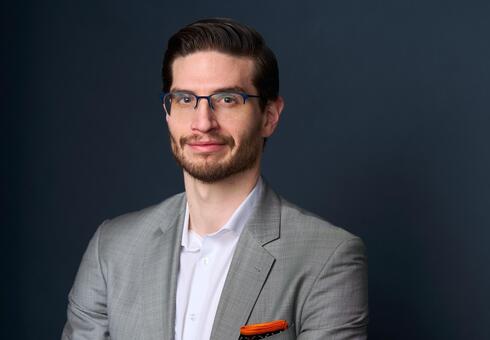
Last week, Sysman announced his immediate resignation as CEO and move to executive chairman. Company president Joe Diamond was appointed interim CEO. In a LinkedIn post, Sysman explained that his decision followed a complex medical condition affecting his newborn son, which required surgery and led to one of the most challenging periods of his life.
His departure comes shortly after Axonius completed its first-ever acquisition, Israeli startup Cynerio, for $180 million in July 2025. The deal expanded Axonius’ footprint into healthcare cybersecurity, particularly in securing medical devices.
Founded in 2017 by Sysman, Ofri Shur, and Avidor Bartov, Axonius developed a platform for managing and securing devices connected to corporate networks. The system provides organizations with a comprehensive asset inventory, identifies gaps in existing security coverage, and automatically verifies and enforces security policies. It integrates with more than 300 security and management tools and can be deployed within minutes.
Axonius addresses what it calls organizational “blindness” regarding digital assets. In modern enterprises, where employees use multiple devices, cloud applications (SaaS), and numerous user accounts, it is difficult to maintain full visibility into what is connected to the network and whether it is secure. The platform connects to hundreds of existing enterprise tools, such as antivirus software, cloud systems, and identity management solutions, to create a single source of truth. It automatically detects unmanaged devices or applications that do not comply with company policies and enables automated remediation, such as blocking unauthorized users or installing missing security updates.
Axonius has raised approximately $700 million to date from investors including Accel, Silver Lake, Bessemer Venture Partners, ICONIQ Capital, and Alkeon Capital. Early investor YL Ventures has since exited its position.
In response, Axonius said:
“Axonius confirms that it has implemented a structural adjustment affecting less than 4% of its global workforce. In Israel, the move impacts seven employees. This decision is part of a broader effort to refine our organizational structure and ensure operational discipline and efficiency as the company matures and prepares for an IPO. We remain fully committed to our Tel Aviv R&D center and continue recruiting for critical technology roles.”



