











Opinion
The titans are back: Foreign private equity funds show renewed presence in Israel
"Foreign equity has not disappeared; it simply evolved. Beyond the flashy Nasdaq exits, a new wave of steady, meaningful private equity transactions is reshaping the market," writes Nimrod Rosenblum, Managing Partner and Head of Corporate, Mergers & Acquisitions at Epstein Rosenblum Maoz (ERM) Law Firm.
During the war, Israel faced a sharp decline in foreign investments and even withstood selective boycotts by sovereign wealth funds, such as the Government Pension Fund of Norway. Public sentiment and the freeze in IPO markets created what felt like an "investment desert." Yet now, with the fighting (hopefully) over and the situation stabilized, that shadow is beginning to lift.
Below and above the radar, and often alongside highly active local funds, global private equity players are quietly ramping up their activity in Israel. These investment firms, known for buying and improving mature companies, are showing renewed interest in the Israeli market. It began with cybersecurity and has now expanded into software. The trend reached a milestone when U.S. private equity giant Thoma Bravo announced its $2 billion acquisition of Verint, an unmistakable vote of confidence in Israeli technology, as well as in the market's long-term appeal to major global investors.
Private equity funds operate differently from venture capital ones. They target seasoned companies with proven revenue streams and stable markets, which can be turnaround and then merged, IPO’d or sold within a few years. Israel's rich ecosystem of software and cybersecurity companies, many of which have been publicly traded since 2021 and are now trading at reduced valuations, offers an excellent opportunity. For many Israeli executives, partnering with an American powerhouse can open the right doors at the right time.
Thoma Bravo Private Equity Fund does not hide its voracious appetite. In addition to Verint, reports suggest it is exploring further Israeli investments. The firm already has a strong local track record, with acquisitions such as Imperva and involvement in IronSource. Its playbook is consistent: Pinpointing companies with solid products but in need of optimization, and executing aggressive, hands-on turnarounds.
Other global equity funds are not idle on the sidelines. Just recently, U.S. fund Advent International completed the $2.5 billion acquisition of Sapiens. Investment giant Blackstone has augmented its Israeli operations over the past year, Veritas Capital closed a $1.5 billion fundraising round in Israel, and long-time market player Insight Partners continues its active investment pace.
This trend sets a clear path as the numbers tell the story. According to Deloitte's 2024 M&A Report, Israeli and international investment funds, either directly or through portfolio companies, completed 48 deals last year, representing roughly a quarter of all M&A activity in the market, totaling about $4 billion. That's nearly double the 2023 figure and up 25% from 2022. Most were acquisitions, many through existing portfolios. Notably, about 20% of those transactions involved foreign funds, including UK-based Permira's purchase of Israeli cybersecurity company BioCatch.
Paradoxically, the political and security uncertainty of the past two years opened a window of opportunity. Company valuations fell, but the technological foundations remain strong. For private equity funds, this means one thing: Buy low, optimize, and ride the next wave when capital markets rebound. Now, with the war over, those same funds are doubling down on Israel, realizing that the resilience of its tech sector has stood firm even under fire.
The Israeli economy still faces challenges in attracting European institutional investors, but the hope is that the end of the war marks a turning point. American funds are already voting with their feet, renewing their activity in Israel. If this trend continues, the coming years may see dozens of mature Israeli tech companies changing hands through private equity deals rather than IPOs.
This significant road sign to Israel's tech industry is clear: Foreign equity has not disappeared; it simply evolved. Beyond the flashy Nasdaq exits, a new wave of steady, meaningful private equity transactions is reshaping the market. Israel remains a strategic destination for global investors. The war may have slowed the pace, but the recuperation period ahead could usher in a new era of opportunity.
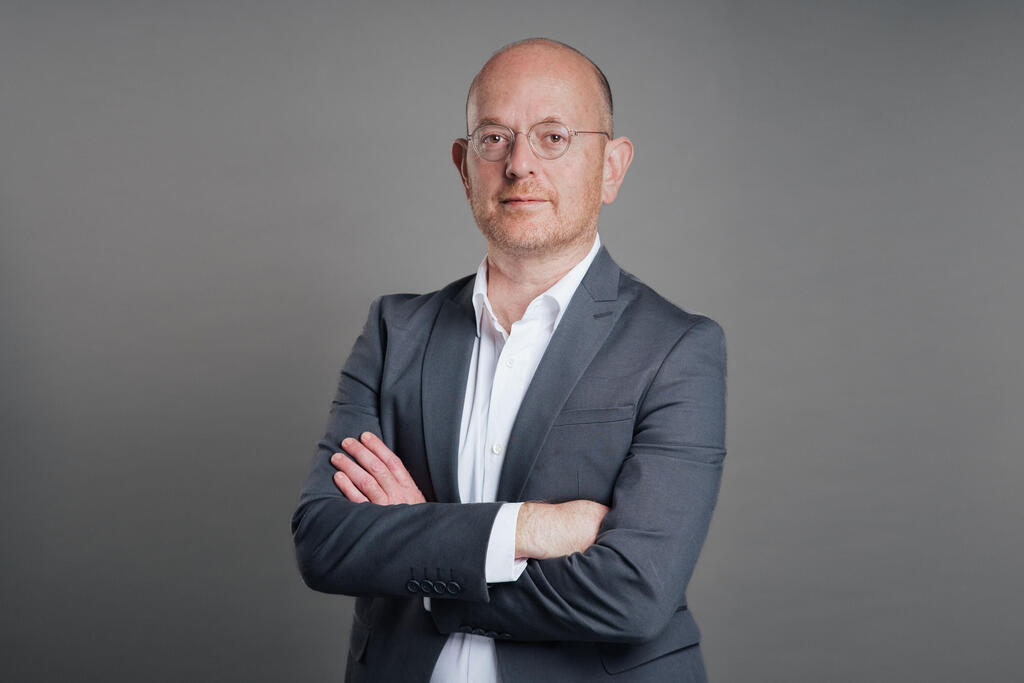
The author is Managing Partner and Head of Corporate, Mergers & Acquisitions at Epstein Rosenblum Maoz (ERM) Law Firm.



