












Top 50 Most Promising Startups
Quantum computing nears its ‘ChatGPT moment’
From theory to infrastructure, the industry begins its shift toward real-world deployment, with Israeli startups playing a key role.
The “ChatGPT moment,” the breakthrough into the mainstream, has not yet arrived for the world of quantum computing, but 2026 is emerging as the year in which the next technological revolution begins to move from theory to business. This does not mean quantum computers are becoming fully commercial yet, but if 2025 was the year of high expectations, the current year is shaping up to be the one in which the infrastructure is laid. From here on, the focus shifts to solving how to build the computers and operating systems that will make quantum an integral part of every data center. In other words: the question of whether the quantum revolution will happen has already been answered. The debate is now about when.
Optimists estimate that within two to three years there will already be fairly widespread use of quantum computers; more cautious voices speak of five years. Either way, after nearly three decades of promises about a breakthrough that could solve some of the most complex scientific problems facing humanity, this is a very short timeframe.
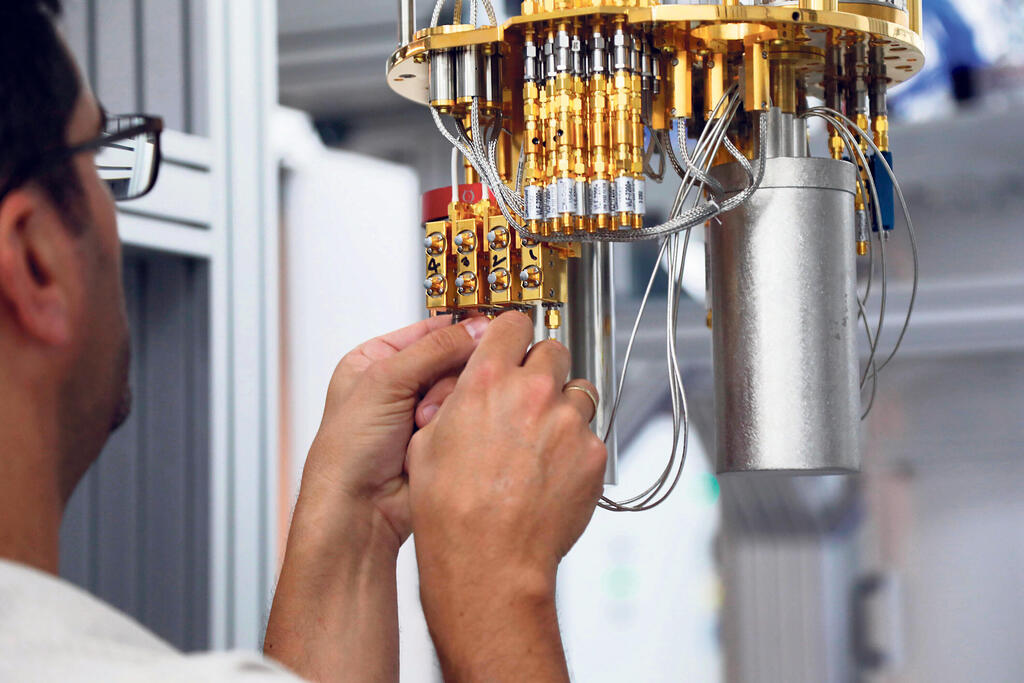
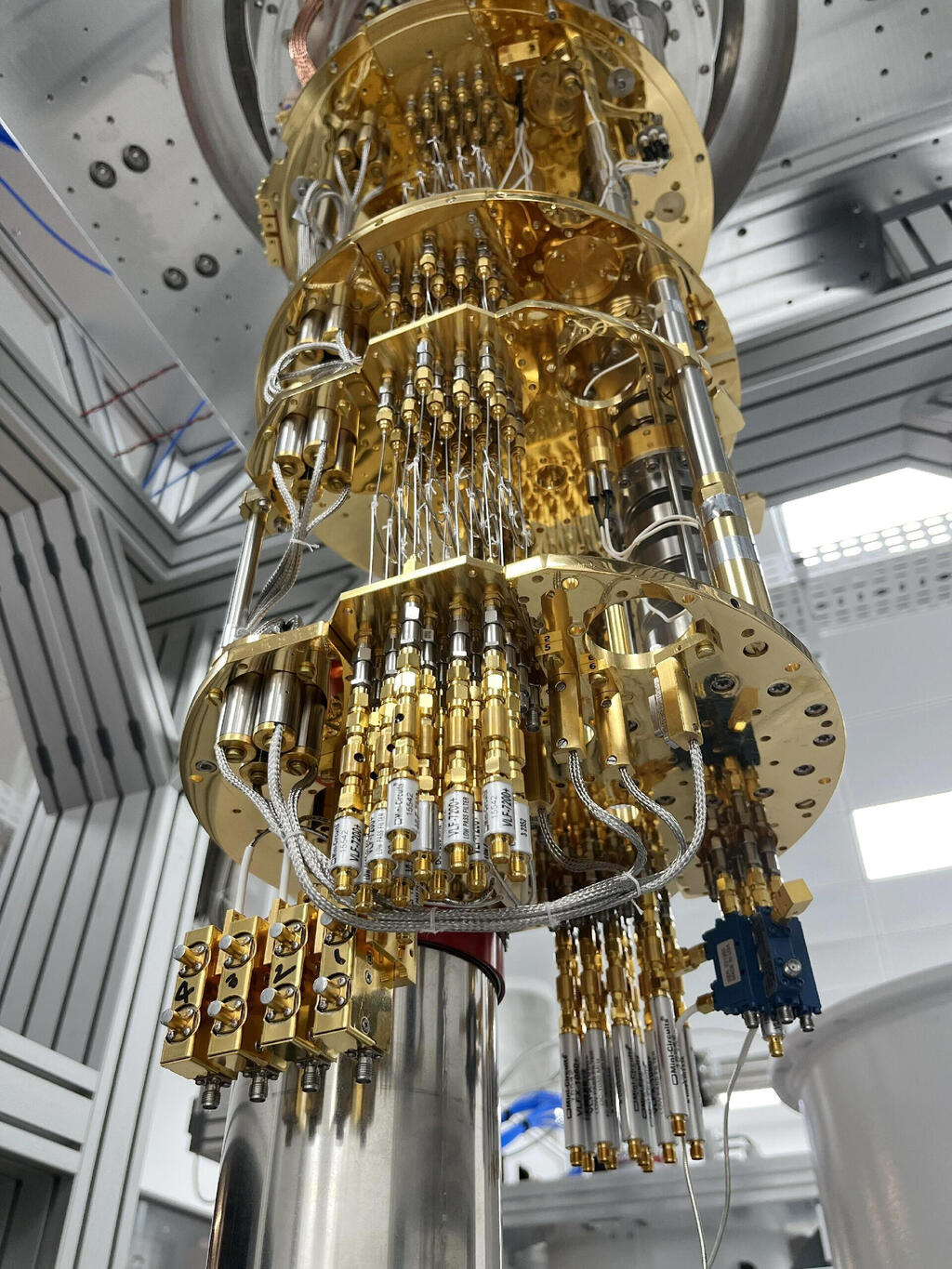
Quantum computers differ from the conventional computers we know because they are not based on bits as their basic unit of information, but on qubits. These are complex units of information that do not take a value of 1 or 0 like a regular bit, but can exist in both states simultaneously. This phenomenon, known as superposition, is key to the massive computational power of quantum computers, which do not need to evaluate every possible combination sequentially but can process many possibilities at once.
This capability could allow quantum computers to solve problems that are currently considered intractable, because even the most powerful classical computers would require astronomical processing time. In the foreseeable future, the main sectors expected to adopt these systems, alongside governments and academic institutions already using them, include drug development, finance, and the chemical industry. IBM has already described 2026 as a “decisive year,” with plans to unveil a new processor and claims that its systems will begin solving problems beyond the reach of classical supercomputers. Google, for its part, has announced progress in error correction, one of the central barriers to scaling quantum computing, addressing the challenge of producing consistent and reliable results.
However, the most significant development this year may be financial rather than technological. As the long-awaited “moment of truth” appears closer, more capital is flowing into the quantum industry, and 2026 is shaping up to be a year of major engagement with Wall Street. Estimates suggest that at least 10 quantum companies could go public on Wall Street in the coming year, with the number potentially rising further. The opening move is expected from the U.S. company Quantinuum, which is reportedly preparing for an IPO at a valuation of $15-20 billion. If successful, it would be the largest quantum IPO to date, signaling a shift from a niche market of small startups to one led by companies large enough to attract institutional investors.
Large IPOs tend to pave the way for another core pillar of industry development: mergers and acquisitions. Here, too, 2026 has already seen a notable milestone. In January, IonQ acquired U.S. chip manufacturer SkyWater Technology for $1.8 billion, the first time a pure-play quantum company has acquired a chipmaker, reducing its dependence on external suppliers. IonQ was also the first quantum company to go public via a SPAC and is currently valued at around $10 billion.
Alongside IonQ, several other companies are exploring public listings through SPAC mergers, a structure that allows private companies to go public by merging with a listed shell company. While there were several such listings last year, Israeli companies in the field have so far declined similar offers. This caution may reflect the legacy of the 2021 SPAC boom, which ended in widespread value declines and limited liquidity.
Momentum is also building in the private market, with increasingly large funding rounds for new startups. The quantum computing sector ended 2025 with approximately $10 billion raised across both private and public companies. While this still falls short of the massive capital flows seen in AI or cybersecurity, it is notable given that most quantum companies, even the largest, generate little to no revenue. At present, quantum systems are sold primarily to government entities, with total market revenues estimated at around $1.5 billion in 2025. These figures are supplemented by tens of billions of dollars in government investment over recent years.
While Israel largely missed the initial wave of the AI revolution, with no major domestic players in large language models, the country may still secure a meaningful position in the quantum era. Government investment in the field does not yet match that of the United States, China, or the European Union, but Israel’s academic base continues to anchor its presence.
Today, around 30 quantum companies operate in Israel across a range of domains: from full-stack quantum computing efforts, such as Quantum Art, Quantum Source, and Q Factor, to companies like Quantum Machines and Qedma, which develop operating systems and software for future quantum systems. On the margins, cybersecurity startups are also emerging to address the risks posed by quantum computing, including the potential to break current encryption standards.
Israel is currently ranked fifth globally in terms of financial investment in quantum companies, and seventh in an index measuring innovation and ecosystem depth. In 2024, it ranked ninth. This improvement reflects the emergence of new startups, many originating from the Weizmann Institute and the Technion, as well as more than half a billion dollars raised last year by companies including Quantum Art, Quantum Source, and Classiq. Israel also leads in the proportion of startups operating in the quantum field relative to overall startup formation, approximately one in every 300, compared with one in every 2,000 in the United States.
Further signs of momentum are emerging. In the past year, the dedicated venture capital fund Q Beat began operating in Israel, focusing on quantum-related investments. At the same time, a growing number of Israeli academics who previously worked at leading institutions abroad are returning to join local companies. This does not guarantee that Israel will avoid missing the quantum wave, as it did in parts of AI, but it does suggest a more promising starting position.



