










Phoenix moves to sell Elron control stake after Arieli defaults on loan terms
Phoenix demanded repayment or fresh capital after Elron shares pledged as collateral lost a third of their value this year. Arieli is scrambling for financing to keep control.
The Arieli Group, the controlling shareholder (58.4%) of the technology investment company Elron, is not meeting the covenants of the loan it received to acquire control of the company from Phoenix Investment House.
Calcalist has learned that to acquire control of Elron, carried out for 53 million dollars in September 2024, Arieli took on debt of 90 million shekels. For the loan, Arieli pledged its control shares in Elron, which trades on the Tel Aviv Stock Exchange at a value of 202 million shekels. The value of the shares at the time was double the value of the loan. The loan terms set benchmarks that Arieli is required to meet. As long as Elron traded at a value close to the one at which it was acquired, there was no problem. But then Elron began losing value. Since the start of the year, the company's share has fallen 34%. This despite the fact that since the start of August it has recovered from an even deeper low and risen 25%.
Phoenix Investment House approached Arieli and demanded that it either repay the loan or inject capital that would bring Elron's debt-to-equity down to a ratio that meets the loan conditions. Over the past two months, contacts have been ongoing between Phoenix and Arieli, during which Arieli repeatedly promised it was about to refinance the loan, but that did not happen.
Calcalist has learned that over the past two weeks, Phoenix Investment House (formerly Excellence) has begun offering the pledged shares, that is, the control shares in Elron, for sale to various institutional and private buyers at a discount on the debt. Arieli, however, is making an effort to secure alternative financing of £24.5 million or an injection of 20 million shekels to Phoenix Investment House in order to reduce the debt and the debt-to-equity ratio. If it does not succeed, the control shares in Elron are expected to be sold to the highest bidder. However, yesterday a financial solution began to take shape that would let Phoenix Investment House recover the loan in full.
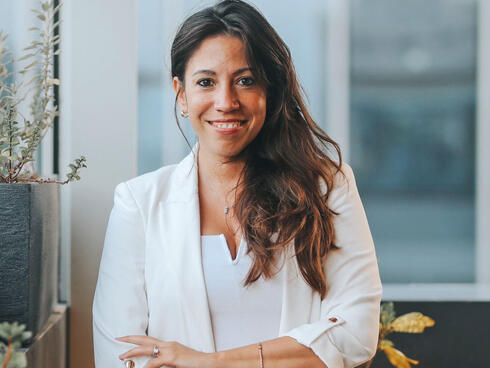
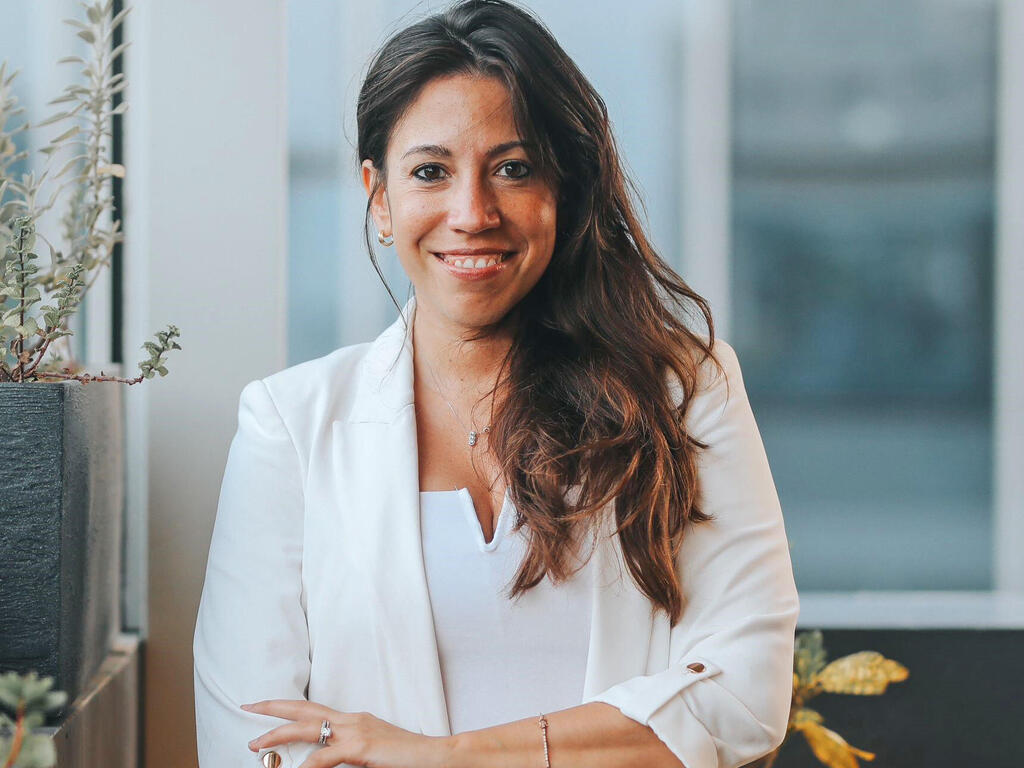
Arieli is a private company, incorporated in Israel, whose ownership is divided between Lisya Bahar-Manoah, who serves as Elron's chairperson at an 80% position and a monthly salary of 104,000 shekels; Eric Bentov; and Evan Renov, who each hold about 33%.
Elron, managed by Yaniv Schneider, holds stakes of varying size in 17 technology companies, one of them through the company RDC, in which it holds an equal partnership with state-owned Rafael. Among the companies it is invested in: Addionics, which develops technology to improve electric battery performance (2.62% held by Elron); OpenLegacy, which develops a technology platform enabling organizations to connect and modernize old, cumbersome core systems to the cloud and to advanced digital services (22.2%), in which it invested 8.2 million dollars through RDC, its joint venture with Rafael; Axonius, BrainsGate (in which it invested 30 million dollars), Wonder Robotics, and others.
Elron is an established, 60-year-old company, and the Arieli Group, a third-generation American family fund, began immediately after the acquisition, a sweeping change that turned the company from a passive investor into an active partner. "When we came in, the portfolio companies weren't getting enough investment. It was important to us to give them substantial resources and make the changes," Bahar-Manoah told Michael Lavie on the podcast "The Investment Train" [translated podcast title] this past May.
Despite five exits by Elron in a year and a half, which Bahar-Manoah touted, the fact that its financial results are driven by its portfolio companies, most of which have no revenue since they are still in development and cash-burning stages, means Elron posted lukewarm results. On the strength of several exits, it closed 2025 with a profit of 9.3 million dollars and 2024 with a profit of 22.5 million dollars, after a loss of 8 million dollars in 2023.
Arieli acquired control of Elron from Discount Investment Corporation, whose major shareholders are brothers Dani and Mikey Zalkind; and Mega Or, owned by Tzachi Nachmias. The deal was led on DIC's behalf by CEO Natalie Mashaan-Zakay.
Arieli is represented in its dealings with Phoenix Investment House by attorney Guy Gissin, who did not respond to the report, nor did Phoenix Investment House.



