











Israel to launch national space lab with $11M investment
New R&D facility aims to lower launch barriers and boost global competitiveness.
In a move aimed at making space more accessible to its innovation sector, the Israeli government will invest NIS 40 million (approximately $11 million) to establish a national R&D laboratory for in-orbit technology testing. The program, announced jointly by the Israel Innovation Authority and the Israel Space Agency at the Ministry of Innovation, Science and Technology, is intended to support a new generation of Israeli companies developing space-bound technologies.
At the heart of the initiative is a promise: a meaningful reduction in launch costs, at least 35% below market rates, for companies selected to participate. The lab will serve as a launchpad not only for large aerospace players, but also for early-stage ventures, academic researchers, and industry newcomers who often struggle with the high financial and regulatory barriers to space.
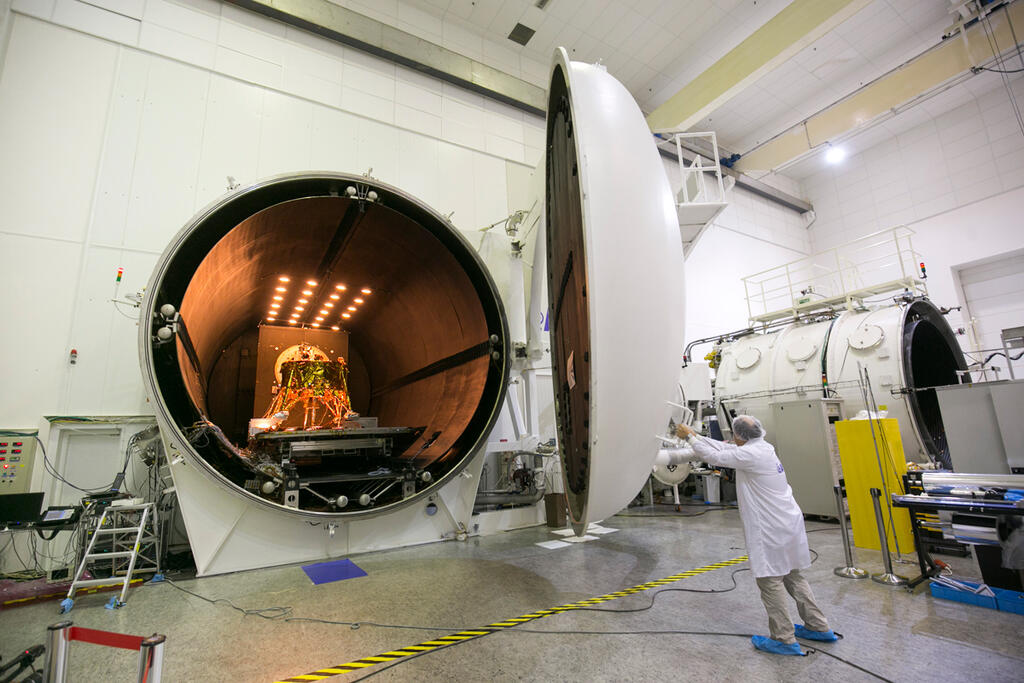
The initiative is part of a joint program under the National Research Infrastructure Forum (Telem), which aims to equip Israeli innovators with the tools and infrastructure to compete in a rapidly evolving global market. The selected operator will receive government grants covering between 55% and 66% of total project costs, depending on the investment structure. The lab will provide end-to-end services, from R&D and mission design to launch operations and data analysis.
Related articles:
Over the next three years, the lab is expected to launch at least 15 Israeli payloads into orbit.
Dror Bin, CEO of the Israel Innovation Authority, framed the lab as a strategic investment in the nation’s space economy: “We are removing regulatory barriers for Israeli space companies, enabling them to scale quickly and significantly.”
“Once again, Israel proves it is not afraid to dream big,” said Uri Oron, Director of the Israel Space Agency. “This launch laboratory will become a window for the next generation of Israeli innovation, making space accessible not only to large corporations but also to entrepreneurs and academia.”



