










AppsFlyer raises over $1 billion from Google, Meta, Unity and Moloco at a $2.7 billion valuation
The company says the deal will accelerate AI-powered measurement and attribution tools.
AppsFlyer has raised more than $1 billion in a financing round that values the company at $2.7 billion. The round includes technology and advertising giants Google, Meta, Unity, and international adtech company Moloco. The new valuation represents an increase from AppsFlyer’s last funding round in 2020, when the company was valued at $2 billion.
Calcalist has learned that much of the funding was through secondary deals. The company said the transaction combines shareholder liquidity with new long-term strategic equity participation. Additional strategic partners may be invited to invest in future closings under the same structure. Completion of the deal remains subject to customary closing conditions, including regulatory approvals.
AppsFlyer said it intends to use the capital to accelerate innovation in AI-powered advertising measurement, advance cross-platform attribution and measurement capabilities, and continue building infrastructure designed to support autonomous marketing and AI-driven workflows.
One of the most prominent investors in the round is Moloco, an adtech and AI company founded in Silicon Valley in 2013 by former Google employees. Moloco develops digital advertising solutions based on machine learning, helping advertisers and app developers reach relevant audiences through its demand-side platform (DSP). The company also enables major e-commerce and retail businesses to build their own advertising networks through retail media solutions.
Considered one of the leading companies in the adtech sector, Moloco has consistently ranked among the industry’s fastest-growing firms. It works closely with major measurement platforms, including AppsFlyer, and maintains operations in Israel.
Alongside the new investors, AppsFlyer’s shareholder base includes General Atlantic, the company’s largest institutional investor, with an estimated stake of 15%-20%. General Atlantic led AppsFlyer’s $210 million Series D funding round in January 2020 and continues to hold board representation.
Other notable shareholders include Goldman Sachs, Salesforce Ventures, Pitango, Magma Venture Partners, Qumra Capital, Deutsche Telekom Capital Partners (DTCP), and Eight Roads. Several existing investors sold significant portions of their holdings in the transaction, while some exited entirely.
“The current deal was inspired by how other technology ecosystems have evolved,” said Oren Kaniel, AppsFlyer’s CEO and co-founder. “Those ecosystems succeeded because companies were able to compete independently while relying on neutral and trusted infrastructure. This foundation enabled new waves of growth and innovation while allowing participants to compete based on their own merits and capabilities.”
Kaniel argued that advertising measurement is reaching a similar inflection point.
“As AI increasingly takes over how advertising is bought and optimized, the entire ecosystem benefits from independent, neutral signals that are not shaped by a self-interested market participant,” he said. “This investment is a commitment to that principle.”
AppsFlyer emphasized that all investments are minority stakes without control rights or exclusivity arrangements. The new investors will not receive preferential access to AppsFlyer’s APIs, measurement signals, measurement methodologies, or commercial terms. Customers will continue to choose their preferred partners as they do today.
The company also noted that its investors intend to continue working with multiple measurement providers across the market alongside AppsFlyer, maintaining support for independent and neutral measurement standards.
In a blog post announcing the deal, Kaniel wrote: “For fifteen years, we have been building AppsFlyer around one simple belief: marketers need trusted, independent, unbiased attribution and measurement. At the beginning, many dismissed it as a feature. We thought it was the foundation. Today, that belief takes its biggest step forward.
“I’m excited to share that we’ve signed a definitive agreement for investments from Moloco, Google, Meta, and Unity, to advance independent attribution and measurement for the AI era. Each investment is minority, non-controlling, and non-exclusive. AppsFlyer stays independent.”
He added that AI-driven advertising is making neutrality increasingly important.
“As AI takes over more of the decisions, independent attribution and measurement stops being an advantage and becomes the foundation everything else is built on.”
According to Kaniel, the new structure will allow AppsFlyer to accelerate innovation while preserving its independence.
“Better attribution. Better signals. Better ads. A better internet, one where advertising is a value-added service that creates safer, more relevant experiences for everyone. That is the vision, and this is how we get there.”
Today, AppsFlyer serves more than 15,000 brands worldwide and has positioned itself as a key measurement partner through major industry shifts, including evolving privacy regulations and the rise of AI-powered advertising.
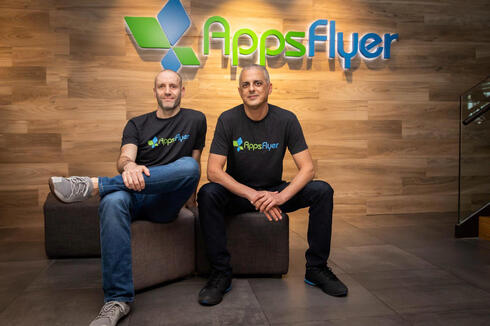
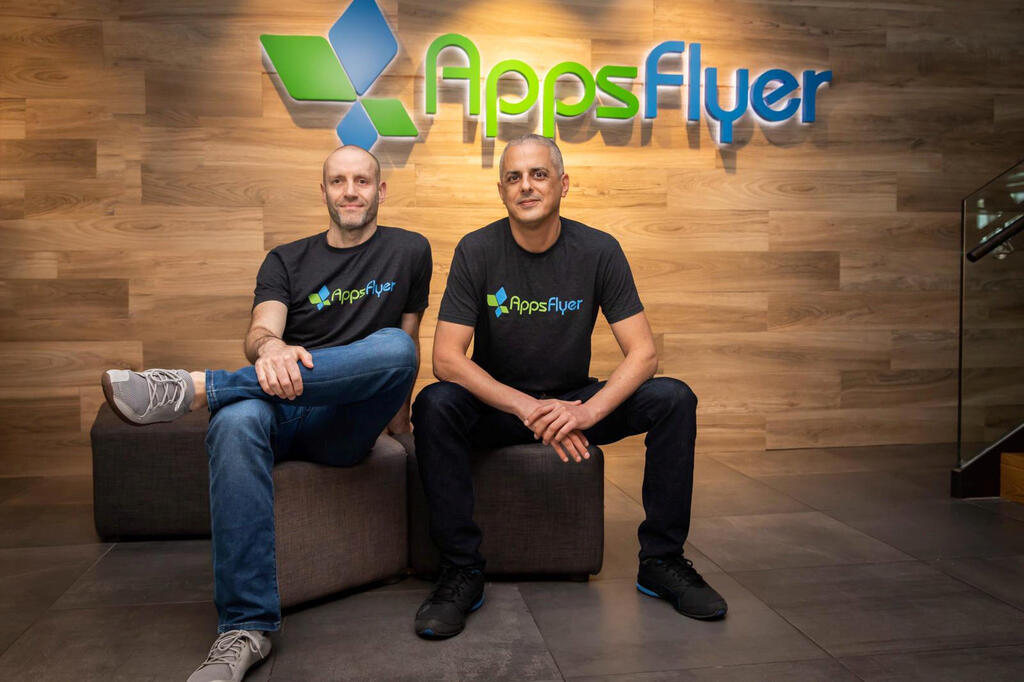
Founded in 2011 by Oren Kaniel and Reshef Mann, AppsFlyer is one of the leading providers of mobile attribution and marketing measurement technologies. Its platform enables marketers, advertisers, and app developers to identify where users originate, track customer journeys across applications and platforms, analyze campaign performance, and detect advertising fraud.
The company previously explored an initial public offering at a valuation reportedly ranging between $4 billion and $5 billion. AppsFlyer is profitable, generates positive cash flow, and has annual recurring revenue (ARR) of approximately $500 million. The company employs around 1,300 people after reducing its workforce by roughly 7% in a restructuring round last year.



