










Opinion
The digital frontline: Safeguarding Holocaust memory in the age of AI
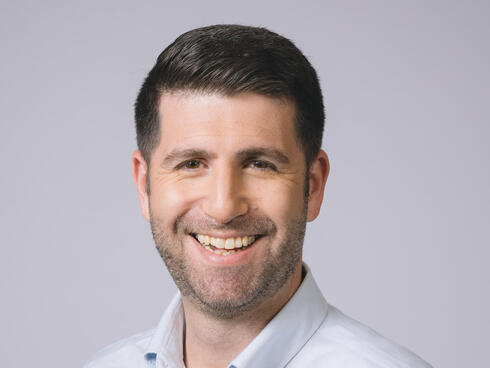
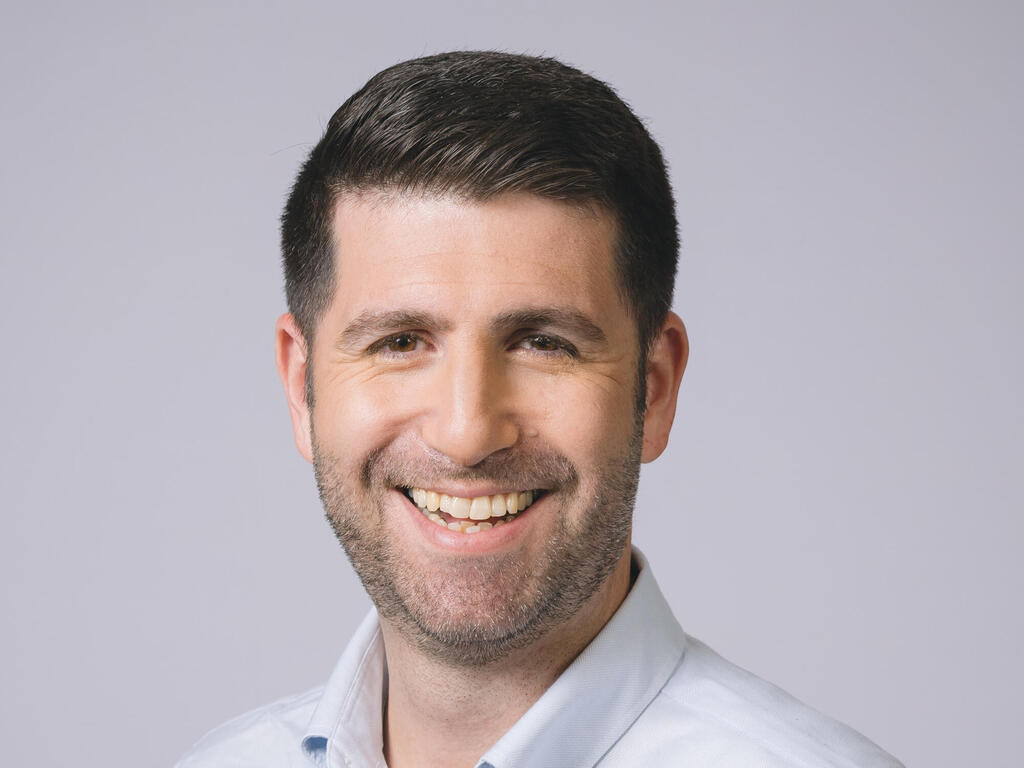
"To defend the past, we must master the technology of the future. We cannot wait for tech companies to self-regulate; we must initiate proactive interventions following a "Human Rights by Design" framework," writes Chen Shmilo, former CEO of the 8200 Alumni Association and Co-Founder of Hack the Hate.
As we observe International Holocaust Remembrance Day, we stand at a precarious crossroads. For eight decades, the living voices of survivors served as our most powerful defense against denial. Today, as that "living bridge" narrows, Artificial Intelligence has emerged as a new, unpredictable architect of history. While AI offers tools for preservation, it has simultaneously become a sophisticated engine for insidious forms of digital denial that threatens to rewrite the past in real-time.
The warning signs are stark. UNESCO has raised a red flag, suggesting that if left unregulated, AI will not just facilitate denial - it will automate it. When AI models are trained on the unvetted expanse of the internet and algorithms prioritize engagement over accuracy, they risk amplifying the very prejudices we have spent decades dismantling. This is not a mere technical glitch; it is an existential threat to our collective conscience.
Research from the WJC Institute for Technology and Human Rights and UNESCO reveals a landscape where denial has evolved from fringe pamphlets into seamless fabrications. We now face "AI hallucinations," where generative models produce fictional accounts with absolute authority. In 2024, UNESCO recorded chatbots citing non-existent witnesses to claim there was no official Nazi extermination policy. Even mainstream tools have faltered; the AI platform Grok drew widespread criticism after expressing "skepticism" about the death toll of six million, illustrating how easily misinformation can be baked into our primary information sources.
The rise of high-fidelity deepfakes further erodes historical truth. Social media is flooded with "AI slop" hyper-realistic but fake images of "heartwarming" reunions in camps or crying children behind barbed wire. While often created for "clickbait" profit, these images create a fantasy-land version of history that trivializes real suffering. More dangerously, AI-generated content, such as a widely circulated deep fake of actress Emma Watson reading from Mein Kampf - is used to normalize Nazi ideology. Beyond fabrications, extremists exploit "data voids" to ensure conspiracy theories appear first, while a mobile application allowed users in 2023 to "chat" with simulated Nazi officials like Joseph Goebbels, who responded with AI-generated defenses of their atrocities.
Yet, if denial is digital, then remembrance must be as well. Technology offers the ultimate tool for preservation through initiatives like Testimony 360. Using AI to future-proof survivor voices through interactive holograms allows future generations to "ask" questions and receive answers based on hours of authentic recorded interviews. This preserves the transformative experience of a face-to-face encounter. Similarly, Virtual Reality (VR) immersion allows students to walk through the barracks of Auschwitz or the streets of the Warsaw Ghetto with absolute historical accuracy. These 360-degree experiences, such as the Illinois Holocaust Museum's The Journey Back, create a bridge of empathy and visceral understanding that traditional textbooks struggle to achieve.
To defend the past, we must master the technology of the future. We cannot wait for tech companies to self-regulate; we must initiate proactive interventions following a "Human Rights by Design" framework. This requires establishing historical guardrails within AI development, ensuring models are anchored to curated datasets from reputable archives such as Yad Vashem, the United States Holocaust Memorial Museum, and the USC Shoah Foundation.
The scale of this threat demands a structural response: a dedicated Innovation Center designed to harness the brightest minds of the Israeli and Jewish tech worlds together with good friends and allies. Such a center would serve as a global command post, developing specific tools to identify and neutralize online antisemitism and denial before they take root. By centralizing our technological talent, we can transform AI from a weapon of the denier into a shield for the truth, ensuring the memory of the six million remains an unshakeable foundation for the future.
Chen Shmilo is the former CEO of the 8200 Alumni Association and Co-Founder of Hack the Hate, an initiative harnessing Israeli and Jewish innovation against online hatred.



