










Inferize raised $10 million in stealth. Less than nine months later, Nebius is buying it for up to $150 million
The Israeli AI infrastructure startup had just 17 employees and had never publicly disclosed its Seed round.
Israeli AI infrastructure startup Inferize had been operating largely out of the spotlight since its founding earlier this year. In less than nine months, it raised $10 million, built a team of 17 people and developed technology that its CEO says can cut the time needed to load AI models from tens of minutes to seconds.
The acquisition gives Inferize's founders an unusually fast and lucrative outcome for a company that had barely begun operating publicly. It also provides a new indication of how much AI infrastructure companies are willing to pay for technology that can address the economics of running inference workloads at scale.
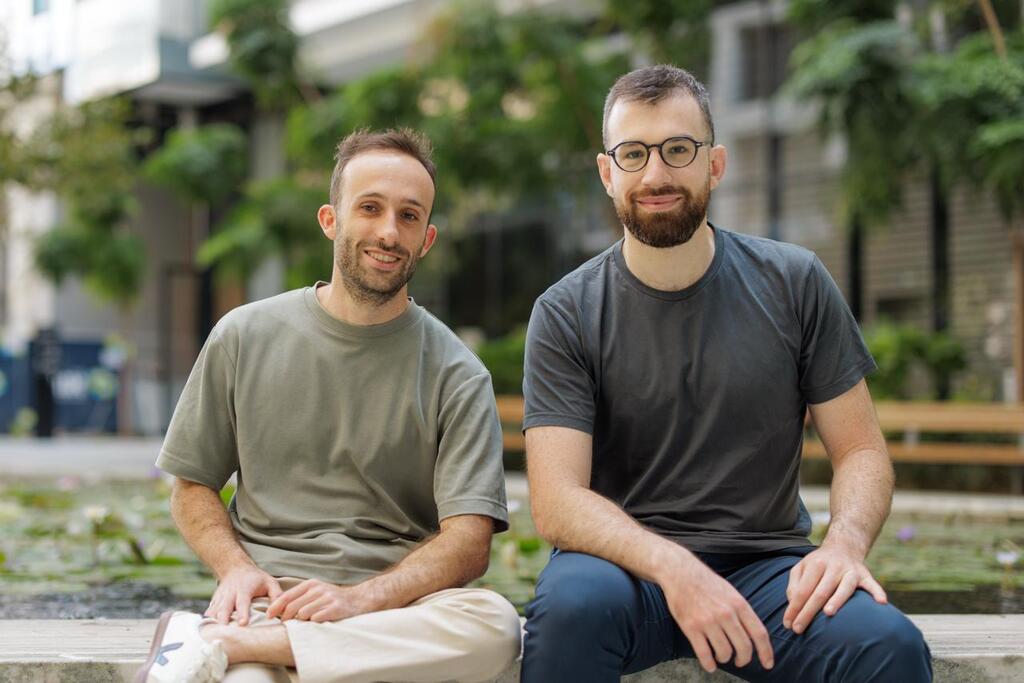
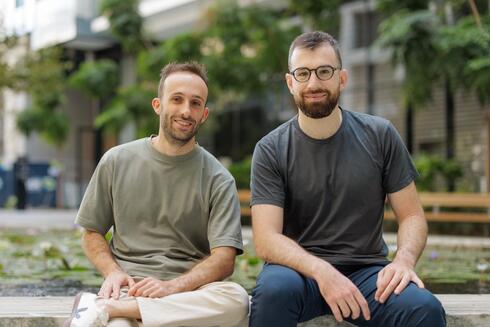
Inferize CEO and co-founder Guy Bortnikov disclosed the previously unreported funding and offered new details about the startup's rapid development in a LinkedIn post following the acquisition. The $10 million Seed round was led by TLV Partners, with Bortnikov also thanking the fund's Shahar Tzafrir and the company's other investors.
Inferize was founded by Bortnikov and CTO Lior Gorbonos, both of whom were members of the founding team of Israeli infrastructure optimization company Granulate. The startup remained in stealth while developing technology aimed at one of the increasingly important problems in AI infrastructure.
AI models can be expensive and time-consuming to load onto GPUs and other computing infrastructure. That becomes particularly significant during inference, when models are being used to respond to requests and workloads can change rapidly.
Bortnikov said Inferize was able to transform what he described as slow-loading inference engines and frameworks into "true elastic workloads." According to the CEO, the company could load models across different architectures in seconds rather than tens of minutes.
The goal is to make inference capacity respond more closely to actual demand.
That matters because AI companies are increasingly operating workloads that can change dramatically from one moment to the next. If additional GPU capacity takes a long time to become available, infrastructure can sit idle while a model is being loaded or users can face delays while capacity comes online.
Bortnikov said the company had worked with large AI cloud providers, inference providers and startups while developing the technology. He did not identify those customers or partners.
The startup's small size makes the pace of development particularly notable. Inferize had 17 employees in Tel Aviv, meaning the company had reached the point of acquisition with a relatively small team and after only months of development.
The founders had experience with infrastructure optimization before starting Inferize.
Bortnikov and Gorbonos were part of the founding team at Granulate, which developed software designed to optimize computing workloads. Intel acquired Granulate in 2022 in a deal valued at approximately $650 million.
At Inferize, the founders focused on a different problem created by the rapid expansion of generative AI.
The challenge is no longer simply providing access to enough computing power. AI infrastructure companies also have to determine how quickly that capacity can be brought online and how efficiently expensive GPUs can be used once they are running.
Inference is particularly sensitive to those considerations because it happens every time an AI model responds to a request. As the number of AI applications and users grows, small inefficiencies can become costly at scale.
Inferize's technology is now set to become part of Nebius Token Factory, Nebius' platform for production AI inference.
Bortnikov said that the two companies quickly found common ground during their discussions.
"From our very first conversations, Lior and I felt we were speaking the same language," he wrote. "It's all about execution, and you guys move fast."
He also credited the Inferize team for the speed at which it developed the technology, writing that the company's work had shown him what could be achieved when there were "no limits."



