










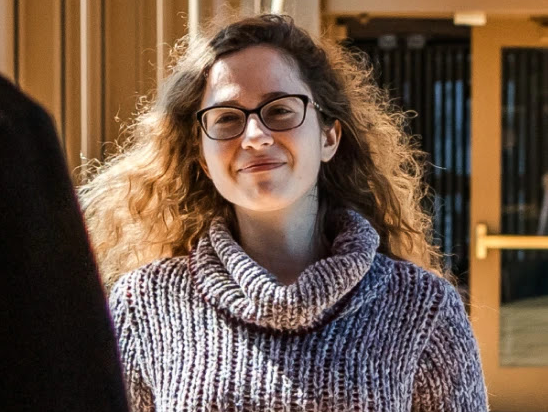
23-year-old OpenAI researcher and chess prodigy joins startup chasing AI telepathy
After 18 months at OpenAI, Naomi Bashkansky is joining Conduit as a founding researcher, betting that thoughts could become the next interface for communicating with artificial intelligence.
Chess master Naomi Bashkansky is leaving OpenAI to join mind-reading startup Conduit as a co-founder. She believes the company’s technology “could be worth more than a trillion dollars.”
Bashkansky, 23, holds the titles of World School Chess Champion in the girls’ under-13 category and North American Champion in the girls’ under-20 category. She also holds the title of Woman International Master (WIM) from the International Chess Federation (FIDE), one level below the Woman Grandmaster title.
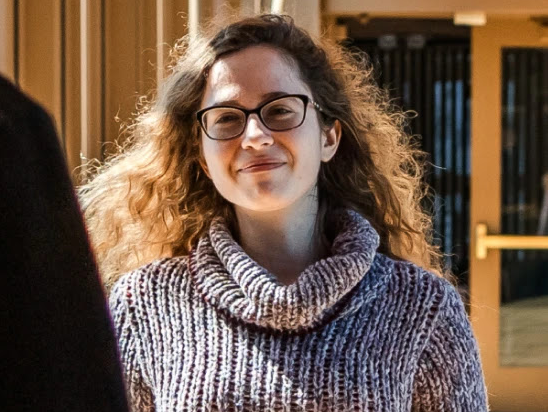
For the past year and a half, Bashkansky worked as a researcher at OpenAI on the model safety and alignment team. On Wednesday, she announced that she had left the company two weeks earlier to join Conduit (unrelated to the Israeli company of the same name) as a founding researcher.
Conduit is developing brain-computer interfaces designed to convert thoughts into text. “My prediction: In a couple years, the main way we'll talk with our AIs is with our thoughts,” Bashkansky wrote in a post explaining her decision. “They will not be a super-smart automated intern or coworker that you desperately try to keep up with. They will be a natural, joyful extension of you.”
Bashkansky said she believes that by 2027, technology could allow users to wear a specialized headband capable of decoding thoughts and converting them into text. By 2030, she predicted, AI companies will have trained their models to communicate directly with Conduit’s technology.
“My encoded thoughts get sent directly to Codex, rather than having to pass through Conduit's decoder model first,” she wrote. “That means I easily communicate thoughts that are hard to describe in text, like mental images.”
Bashkansky said she believes the technology could help create a more human-centered future for AI. “How superhuman 2035 looks depends directly on how superhuman we, as society, decide to make our AIs,” she wrote. “Perhaps we choose to pace ourselves. But I like that this is literally a human-in-the-loop vision of the future, where AI directly empowers humans rather than replacing us.”



