









Elon Musk’s planned visit to Israel canceled after tech conference postponed amid war
The conference where the Tesla chief was set to speak was delayed amid the war with Iran.
A planned visit to Israel by Elon Musk has been canceled after the conference where he was scheduled to speak was postponed in the shadow of the ongoing war with Iran.
Musk had been expected to participate in the International Smart Mobility Summit in Tel Aviv, a gathering of technology and transportation leaders focused on autonomous vehicles and artificial intelligence. Organizers informed participants in an email that the conference, originally scheduled for next week, had been postponed to May due to recent events. A final date has not yet been set.
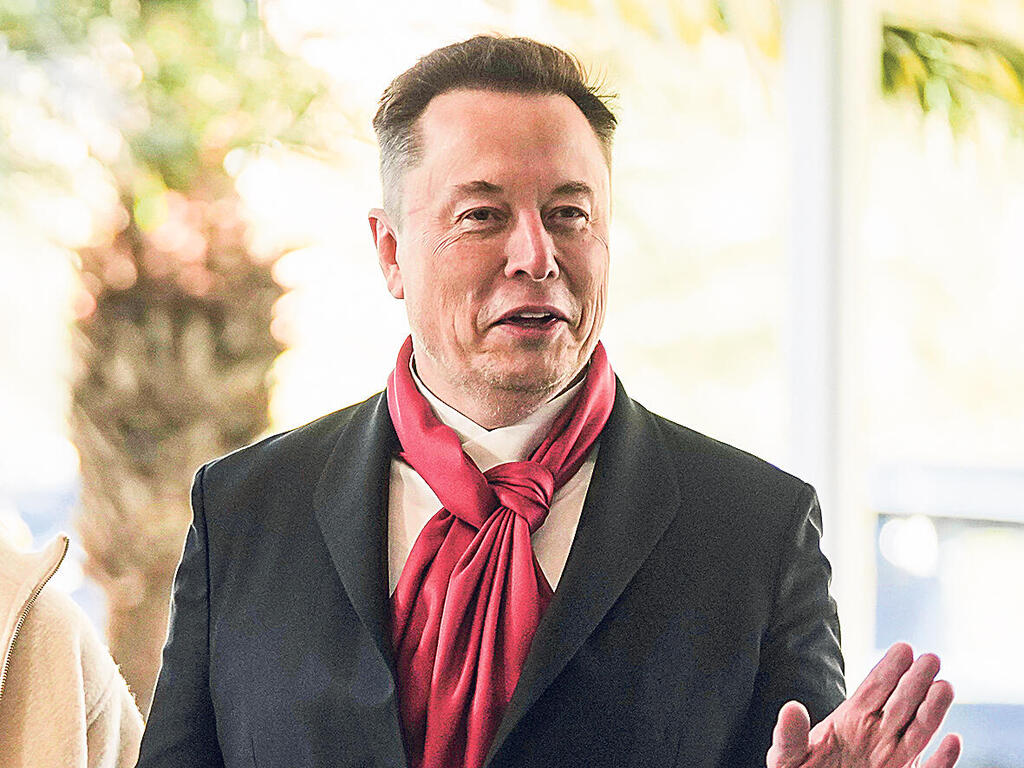
The postponement effectively scrapped Musk’s planned trip, which had been expected to draw significant attention to Israel’s ambitions in artificial intelligence and autonomous transportation. While organizers said the lineup of speakers is expected to remain unchanged, the shifting timeline, and the uncertainty created by the war, means it remains unclear whether Musk will ultimately travel to Israel when the conference is rescheduled.
Among the speakers expected to participate alongside Musk are Amnon Shashua, founder of Mobileye and Dror Bin, head of the Israel Innovation Authority.
Musk’s planned participation came amid discussions between Tesla and Israeli officials about the possible launch of the company’s Full Self-Driving (FSD) technology in the country.
The trip itself was first discussed during a conference call in late December between Musk and Israeli officials, including Prime Minister Benjamin Netanyahu, Transportation Minister Miri Regev, and Erez Askal, Director of the National Artificial Intelligence (AI) Directorate.
According to the Prime Minister’s Office, the conversation focused on promoting artificial intelligence technologies and autonomous vehicles in Israel, with the broader aim of positioning the country as a global leader in the field.
One of the central issues raised in the discussion was the possibility of granting Tesla a license to operate its autonomous driving mode on Israeli roads, a regulatory step that would be required before the company could deploy its advanced driver-assistance systems in the country.
The canceled trip would also have been Musk’s first visit to Israel since November 2023, when he traveled to the country following the Hamas attacks of October 7.
During that visit, Musk toured Kibbutz Kfar Aza, one of the communities hardest hit in the attack. Accompanied by Prime Minister Netanyahu, he visited the home of the Liebstein family, the family of the regional council head who was killed on the morning of October 7 in an exchange of fire with terrorists who infiltrated the kibbutz.
Musk also visited the home of the Itamari family, whose parents, Lili and Ram, were killed during the attack. Later, at the Prime Minister’s office, he watched footage documenting the horrors of that day.
That visit drew global attention and placed Musk, one of the world’s most prominent technology leaders, in the center of Israel’s efforts to draw international support in the aftermath of the attack.



