









“Everyone is in a state of FOMO”: Cyber investor Rakesh Loonkar on the bubble he says is distorting the market
The Transmit Security co-founder, whose companies have generated hundreds of millions in sales, warns that most young Israeli cyber firms won't survive their burn rates.
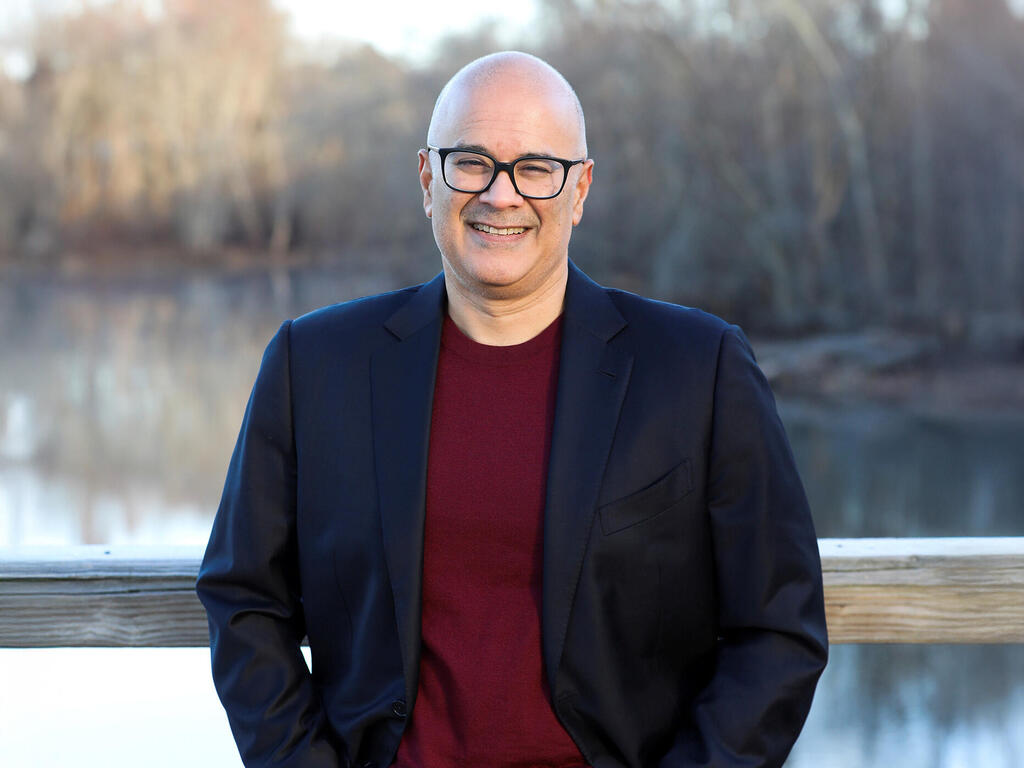
"There are so many cyber companies with revenues of less than $10 million that have raised a lot of money, and most of them will close. It's very bad for the employees who go to these companies, they make decisions based on the bubble," says Rakesh Loonkar, one of the global cyber industry’s leading figures, president and co-founder, along with Mickey Boodaei, of the cybersecurity company Transmit Security, a unicorn with hundreds of millions of dollars in sales.
Loonkar (54) holds an impressive track record that includes founding Trusteer, also with Boodaei, and selling it for $700 million to IBM in 2013. He also founded OneSecure with Nir Zuk, which was acquired by NetScreen for several tens of millions of dollars and is now part of Juniper Networks. This is in addition to early investments in successful companies such as Palo Alto Networks, also co-founded by Zuk. Loonkar also serves as a managing partner at Picture Capital, a unique Israeli cyber investment fund run by “operators,” active executives in major cybersecurity companies.
In an exclusive interview with Calcalist, Loonkar provides insights into the state of the cyber market, the Israeli bubble he says is inflating, and the strategy of the Picture Capital fund. Contrary to reports, he says, “I am not founding a company with Nir Zuk, even though I love him very much.”
How big is Transmit Security today?
“We have more than 2 billion customers who use our identity services, and we serve many of the largest companies in the world. What is more amazing about the company is that we are profitable. There are many successful people in Israel, but many very good people in Israel are losing money. We have been profitable from the first stage. When you constantly raise money from funds, you are by definition losing money.”
Is it true that you are founding a new startup with Nir Zuk?
"Nir Zuk was my business partner for many years and is a very good friend of mine, but I am not starting a company with him. It would be foolish to leave Transmit, which is a huge company in a huge market. Although I love him very much, I am not leaving the company and I am fully dedicated to it."
What do you think about the pricing of cyber companies in Israel?
"I think the biggest cyber bubble is developing in Israel. I think if you're in a bubble, you know it, and it's already very difficult to get out of it. I talked to all the international funds and asked why they are investing. No one is really clear. Everyone is in a state of FOMO. They're afraid of missing out, and that's not good for companies. The main losers are the employees who will be hurt. Investors will get money, and the founders will also get something in the end, but the employees will lose. There are so many companies with revenues of less than $10 million that have raised a lot of money, and most of them will close. Their money will run out, and in every cycle and every bubble, when they reach their peak - they fall. And then the pain is enormous. It hurts in every situation. It's very bad for employees who go to these companies and believe in venture capital funds. They make decisions based on the bubble."
Do you see the end of the bubble?
"It's hard to predict when the bubble will end, but the companies that will survive are the profitable companies that don't need venture capital money, and we are an example of that. When the bubble bursts, we will continue to invest. We don't need equity. The market has forgotten that the main source of income should be selling software to customers, not investments from venture capital funds."
We see companies raising tens of millions of dollars with very low revenues. What do you think about that?
"There will be many more of these, and we need to see the consequences. How will an entrepreneur make money if they ‘buy revenue’ today, when in the future they won't be able to buy it? They will do down rounds (raising at a lower valuation), and all shareholders will suffer. You don't build an iconic company by spending a dollar for negative return. For every dollar invested in sales, you should receive $10, not 10 cents."
Is the bubble a cyber-AI bubble?
"They are connected and not connected. AI is happening mainly in the United States. Most cyber companies are not ‘full-fledged’ AI. AI as a feature does not make a company an AI company."
You invest through the Picture Capital fund, which is an Israeli cyber fund led by you, Mickey Boodaei, Michael Fey, and Dan Amiga. The fund manages two funds with a total of $284 million. What is the strategy behind the fund?
"We are not bubble investors. Our strategy is to invest in strong entrepreneurs, and we do not invest at high valuations. We are very unique in that we build companies for the long term. Our team at Picture has built many long-term companies that still exist today. That is our expertise. We are four people who trust each other and have built huge companies. No one can duplicate our skills and experience, but it is also an instinct that comes from 20 years of experience. We look for ideas that will survive every market cycle and every bubble."
What do you look for in Israeli entrepreneurs?
"I think we'll see a lot of innovation from Israel. I'm friends with Mickey, who is an entrepreneur who invented many things in the cyber world that still exist today, and also with others like Nir Zuk, who invented the next-generation firewall. I'm looking for entrepreneurs who will invent a new category, and that's what I want from Israeli companies. I only see companies doing the same thing, and funds are chasing them. Entrepreneurs need to be innovative and not look for solutions that already exist. They need to go to funds like ours, which take them from Seed stage to the first customer and build a stable revenue model and a basic business model."
Is the cyber market saturated? What are the “white spaces” left for true innovation?
“There are many such areas. Everyone is trying to replace a product in companies. They need to look for where they replace labor, not just products, and that creates meaningful value. If you optimize labor and replace manual work, then the company can pursue bigger opportunities. It’s a unique market that will be the most interesting of all.”
Will AI change the SOC (Security Operations Center) market?
“It will change it for sure, but today’s solutions are only about 10% better, and that’s not enough. It's not a foundation for a company; it's a feature that doesn't justify replacing an organization’s infrastructure. If you can reduce costs by 70%, that will significantly shorten investigation time, and that is the basis for building a company. Saving 10% is not enough."
Do venture capital firms conduct due diligence well enough?
"The level I see is very low. What kind of due diligence can be done when there are two people without an idea? In many cases, they receive large sums. This is all a sign of a bubble. My advice is to be very careful in what you do."
Are you still optimistic about Israel?
"I'm always optimistic about exceptional entrepreneurs, and there are many in Israel. But many of them ignore the basic rules needed to build a solid business: true innovation that no one else can build, careful fundraising, and a focus on selling to customers. All groups need to be aligned, employees, entrepreneurs, and investors. Only when everyone’s interests are the same does the company have a chance. At Transmit, we have a 99% rule, which says that our janitor will make more than anyone else in a high-tech company, our developers will earn more than executives in other tech companies, and our executives will earn more than any investor in another company."
First published: 09:56, 23.11.25



