








Bill Ackman in Israel: "The country could become one of the best economies in the world"
Speaking at Sheba Medical Center’s ARC summit, the Pershing Square founder cited Israel’s concentration of talent as a potential advantage in the age of AI. Ackman also discussed his plans for an AI-native brain research institute following his daughter’s stroke.
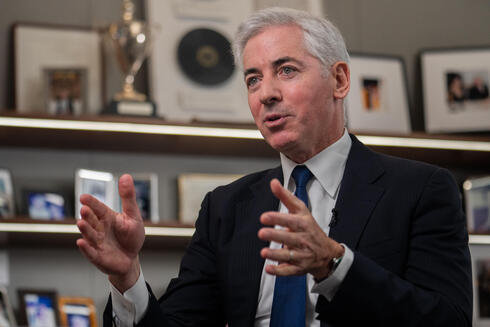
“We came to Israel now because it is very important to my wife, Neri Oxman, to be here to vote,” said Bill Ackman, founder and CEO of investment firm Pershing Square, during a conversation with Prof. Yitshak Kreiss, director general of Sheba Medical Center, at the hospital’s annual ARC innovation summit.
Ackman said that following the October 7 attacks, he and Oxman decided to invest in the Tel Aviv Stock Exchange after just an hour of discussion. “I believe Israel will become one of the best economies in the world,” he said. “Israel’s drawback is its small population, but in the age of AI, this can actually become an advantage. What matters today is the concentration of talent within the country.”
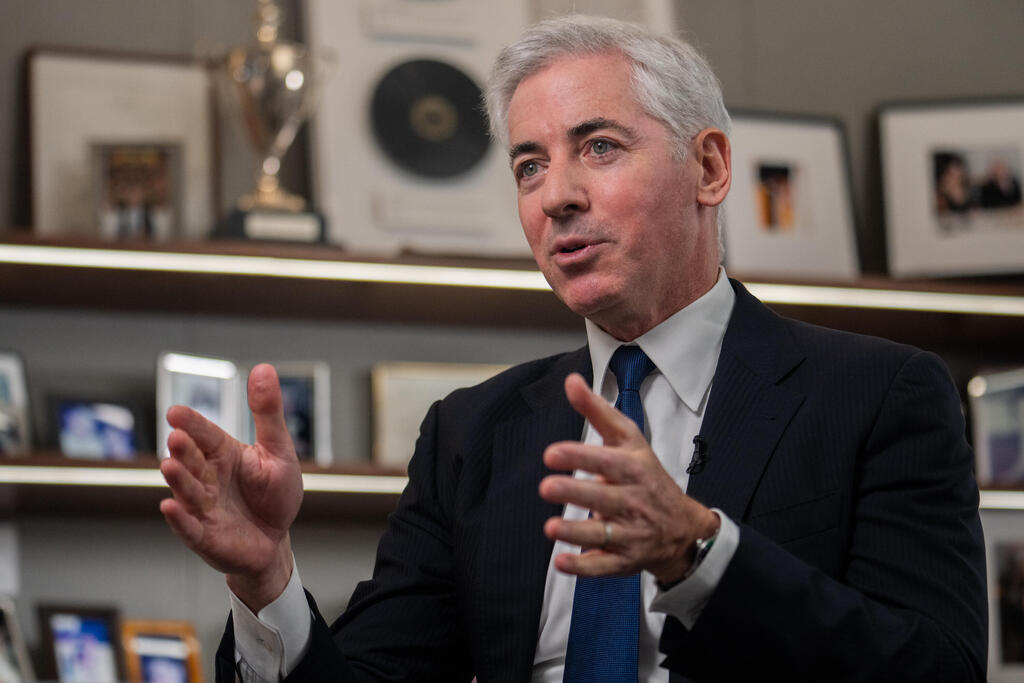
Ackman also criticized Europe’s economic and political direction. “Europe is currently under a major threat due to the socialist models prevalent there, a trend evident, among other places, in what is happening in France today,” he said.
Turning to elections in Israel and the United States, Ackman said he had personally met only Prime Minister Benjamin Netanyahu, not any of the other candidates. “He has done a good job during the war. Israelis might not feel it, but the level of risk in the Middle East has dropped significantly, while the prospects for peace have improved,” Ackman said. “If the Iranian issue is resolved, it will yield a major ‘peace dividend.’”
On U.S. politics, he added: “I am deeply concerned about the rising influence of the ‘democratic socialists.’ It poses a threat to both the American economy and Israel.”
Ackman also spoke about his daughter, Lucy, who suffered a stroke while alone at home and arrived at the hospital many hours later with a brain hemorrhage. The experience, he said, helped inspire his plans to establish a research institute dedicated to the brain.
“Right from the start of her treatment, I told the medical team that we would do everything in our power, investing every possible resource, not only in her care but also in making such treatments accessible to others,” he said. “Today, she is recovering. She is still the same person, though there is a long road ahead regarding her speech and vision. What matters is that she is making progress. I can see that my daughter is still ‘there.’”
Ackman said he had spent the past few months working to establish a brain research institute. He initially held discussions with Mount Sinai Hospital, but the process proved lengthy. He and his team subsequently decided to establish the institute in a building they had purchased that they believe is better suited to their goals.
“We want everything to be ‘AI-native,’ and we aim to significantly shorten the timeline for medical development, as it currently takes years to bring innovation into hospitals,” he said.
Kreiss noted that Ackman had reached out to Sheba, with discussions including the Israeli hospital’s role in his daughter’s rehabilitation.



