










Opinion
Is the launch of the Jev model the end of the era of human thought?
"This new model doesn't help us decide; it literally makes the decisions for us," writes Hud co-founder and CTO May Walter. "If that is the case, are we just a step away from atrophying our ability to think independently and make decisions?"
In recent years, we have grown accustomed to talking with AI. We ask a question, receive an answer, and request a different version. A month ago, a company called TypeSafe AI launched a different kind of model: Jev, a system that doesn’t talk at all. It only makes decisions.
The new model works like a form with checkboxes. You predefine the questions and the possible answers ("urgent or not urgent," "complaint, question, or compliment"), feed the system the information, and it checks the boxes. According to the company, this entire process takes less than half a second and costs very little. Additionally, next to each selection, the system indicates its confidence level in the decision. The company calls this type of system "System One," named after the fast, intuitive thinking described by Daniel Kahneman. The product is still in its early stages, and all data is currently provided by the company itself. Nevertheless, the direction is clear.

When ChatGPT took our lives by storm and touched areas far removed from technology, it raised the question of what this invention would do to the human capabilities we have developed over the years: how we write, how we communicate with others, whether human creativity is dead, and whether we are about to atrophy many of the skills we have acquired over time. Jev, with its unique nature that differs from language models, presents a sharper version of these same questions. This new model doesn't help us decide; it literally makes the decisions for us. If that is the case, are we just a step away from atrophying our ability to think independently and make decisions? As in many areas of life, when it comes to models based on mathematics and statistics, the answer is more complicated than a simple yes or no.
Let’s start with the fact that Jev was built to make decisions that humans don't take seriously anyway: where to route today's 30,000th inquiry, whether a row in a table looks suspicious, or whether a message is urgent. Today, these decisions are made based on structured, rigid rules that someone set years ago, and they are executed almost automatically. The independent thought we are so anxious to preserve does not come into play in these scenarios.
Furthermore, the system is programmed to flag when it is uncertain about a decision, which routes the more complex cases back to the professional responsible for that domain. Assuming the system works properly, people will think less about the obvious cases and dedicate their time and thought to more complex situations that require human judgment and clear reasoning. But there is a price to pay, and it is not where you would expect it.
Despite this, not all is perfect. Like any new development in any field, it can impact areas where we least expect it. Let’s take an example from the world of aviation. The autopilot function, which has existed for decades, flies the plane for most of its hours in the air. The pilot is called to take over during complex, difficult, and sometimes surprising moments of the flight. Again, this is assuming everything works as it should. But what happens when the system fails? Does the pilot remember how to perform their basic, routine job? Or do they only know how to handle anomalies?
Another price we will have to pay if this new model expands is: who makes the decisions? When the model places the decision-making process into the hands of a specific person or group, they are the ones defining the parameters. This essentially creates a closed room, outside of which no one can see what questions are asked and what answers or decisions are given for each case. In my view, this is the real risk: that thinking will be concentrated in the hands of a small group of people and disappear from public view. Today, anyone can suggest an optimization, a fix, or a different decision. But what happens when these things are concentrated in one place? That could be the true loss of thought that some people fear.
If we translate all of this to the development world from which I come—which is currently the primary user of the Jev model—we see that these shifts are already happening. A large portion of code today is written by AI, and developers do not read every single line, and certainly do not write them alone. Has this made developers stupid? No. But it has changed their role to some extent, and especially the questions they need to ask. It is less about "how do I write the line that does what I want it to do" and more about "what will this written line actually do when it runs?". In other words, the change brought by AI to the development world has pushed developers to be deeper thinkers, understanding the broader system rather than just the specific line of code they are writing. However, a developer who cannot answer those questions will find themselves out of control, though not necessarily unable to think.
It appears that Jev and its peers will bring this same change to many other fields. Much like large language models, it will gradually transition into the mainstream—adopted by individuals and organizations whose core mission is not based on technology. We will then see it spread and reshape how we think and make decisions. In all likelihood, the ultimate choices will still lie with us, and we will still need to answer questions in every field, but they will become much more automated. In a world where machines already make decisions, it is up to us to understand what they decided and why, and to guide them in a way that does not suppress human thought, but rather expands it—allowing us to focus on the complex, difficult challenges that machines still cannot solve.
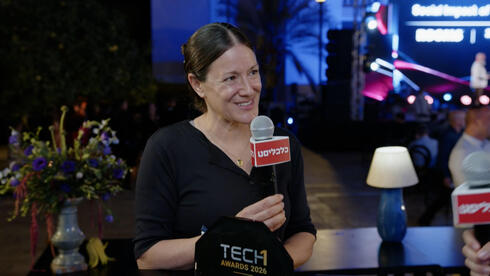
May Walter is co-founder and CTO at Hud.



