











Flydubai cockpit attack could break deadlock blocking Israeli airlines from Dubai
UAE officials are signaling flexibility on Shin Bet security requirements after Miri Regev threatened to suspend Flydubai flights to Israel.
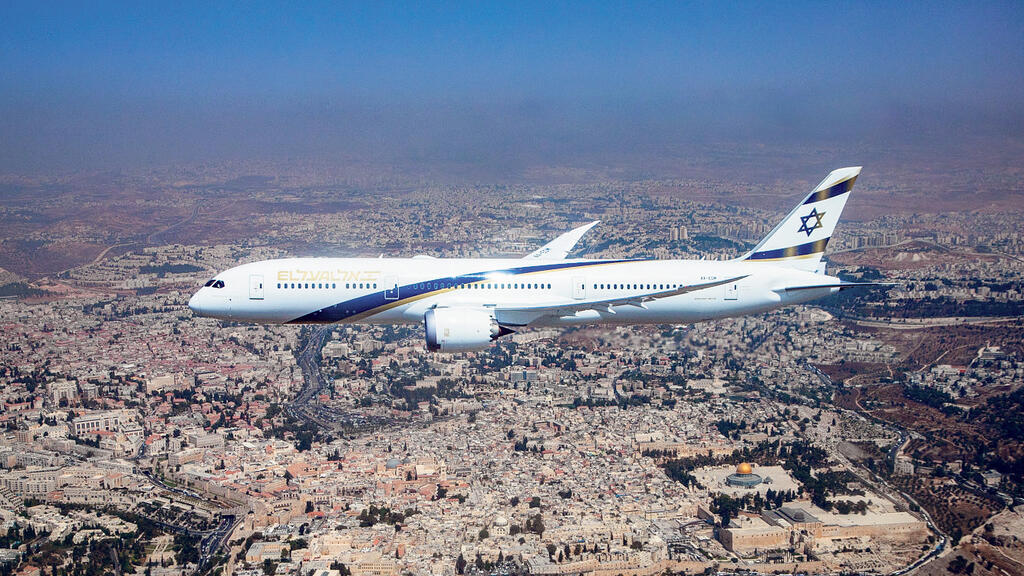
After months of pressure from Israeli airlines El Al, Israir, and Arkia to resume flights to Dubai, today’s attempted hijacking of a Flydubai plane could be the event that changes the situation. Officials in the UAE fear that Israel’s Transportation Ministry could suspend Flydubai flights to Israel and have expressed a willingness to be flexible and find a solution to the Shin Bet’s (Israel Security Agency) requirements that would allow Israeli airlines to resume flights.
Israel has been waiting for an agreement with the UAE to regulate aviation security issues, including screening facilities and security personnel. The lack of an agreement has kept El Al, Israir, and Arkia off routes to the UAE, but industry sources now believe today’s incident could help break the deadlock. Israeli airlines have argued that as long as Flydubai and Etihad retain control of the routes to the UAE, the Emiratis have little incentive to resolve the issue. That dynamic shifted after Transportation Minister Miri Regev threatened to suspend Flydubai flights to Israel.
During a security meeting on Wednesday, Regev demanded that the Shin Bet lift its restrictions and allow Israeli airlines to resume flights to the UAE. She argued that because the pilot involved in the incident is an Omani citizen, Flydubai should not have allowed him to operate flights to Israel, given that Oman has no diplomatic relations with Israel. Following the alleged violation, Regev instructed her ministry to examine the possibility of halting all Flydubai flights to Israel. If that were to happen while Israeli airlines remained barred from flying to the UAE, the route could effectively be shut down altogether.
The Shin Bet has so far strongly opposed relaxing its security requirements, but a solution may now emerge from the Emirati side. Following the incident, UAE officials have expressed a willingness to work toward resolving the issue. Israeli airlines have yet to receive the long-awaited approval, and even if it is granted, they will need time to prepare for a resumption of flights.
Related articles:
- “I grabbed the attacker, put him in a chokehold and pulled him out”: Israeli recounts Flydubai cockpit fight
- Israel says Omani co-pilot likely tried to crash Flydubai plane: “An undercover security agent assisted in subduing the pilot”
- Israeli airline stocks surge after suspected terror attack aboard Flydubai flight
The return of Israeli airlines to the route would increase seat capacity, potentially intensifying competition and putting downward pressure on fares. It could also allow Flydubai to return to its more traditional role as a low-cost carrier, after recent months in which it and Etihad have effectively dominated air travel between Israel and the UAE.
Following the developments, El Al announced that it is preparing to resume flights on the Tel Aviv-Dubai route in November, with two daily flights.
The company stated: "El Al is preparing to resume the Dubai route eight months after Operation 'Roaring Lion,' since which time Israeli airlines have been barred from operating flights on this route. El Al's flights to Dubai will operate at a frequency of at least two flights per day. The resumption of operations is contingent upon receiving the necessary approvals from the relevant state authorities."



