










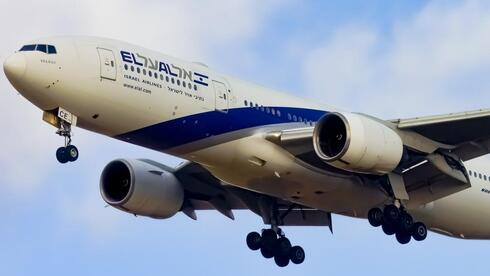
El Al posts record $1.27 billion revenue, but quarterly profit falls 14%
The airline benefited from strong demand and a 95% load factor, while higher fuel costs and financing expenses weighed on earnings. El Al announced a $116 million dividend as it reported a record order backlog and forecast further capacity growth in the fourth quarter.
El Al, owned by businessman Kenny Rozenberg, reported record third-quarter revenue, with sales climbing 18% to $1.269 billion. Net profit, however, fell 14% to $174.8 million, reflecting higher financing expenses and one-time accounting effects despite growth in revenue and operations and an improvement in operating performance.
The airline also announced a dividend distribution of approximately $116 million, citing its results and financial position.
Available seat kilometers (ASK), a measure of the airline's capacity, increased by 9%, driven by fleet expansion and preparations for the summer season. The load factor, which measures the percentage of available seats filled by passengers, remained high at approximately 95%, broadly unchanged from the corresponding quarter last year. Revenue per available seat kilometer (RASK), a measure of revenue generated relative to capacity, rose by approximately 7%.
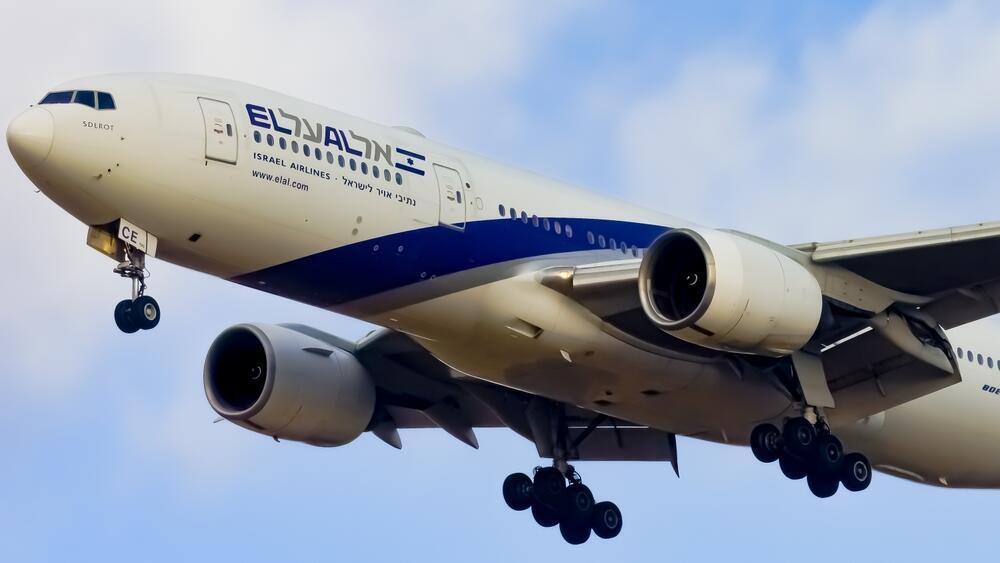
EBITDAR reached $367.3 million, compared with $356.8 million a year earlier, an increase of approximately 3%. The improvement came despite a significant rise in jet fuel prices and exchange-rate fluctuations, which the company said added approximately $135 million to its expenses.
The increase in operating performance did not translate into higher net earnings. Net profit declined to $174.8 million from $202.6 million in the corresponding quarter last year, while pre-tax profit fell approximately 12% to $233.1 million. El Al attributed the decline, among other factors, to a one-time negative revaluation of its "phantom option" and weaker financial income. Net finance expenses totaled $10.5 million, compared with net finance income of $4.3 million a year earlier.
Cash generation, meanwhile, improved. Cash flow from operating activities rose approximately 27% to $160.6 million, from $127 million in the corresponding quarter. At the end of September, El Al had approximately $2 billion in liquid resources and gross financial debt of about $1.12 billion, leaving it with a net liquidity surplus of approximately $910 million.
The airline's frequent flyer program remains another source of growth. Membership reached 3.78 million, up approximately 9% from September last year, while the number of FLY CARD credit cards issued increased 14% to 570,000. El Al said accumulation under its new agreement with Isracard is progressing faster than expected. It anticipates that the partnership will contribute an average of NIS 100 million to NIS 130 million annually to pre-tax profit.
El Al's order backlog also reached a record, totaling approximately $1.1 billion at the end of the quarter, up 16% from a year earlier. Around 53% of recent ticket sales were for future flights. While the figures point to continued demand, the airline's ability to convert those bookings into revenue remains dependent on Ben Gurion Airport operating normally, the security situation and the return of foreign carriers to Israel.
The company also benefited from a shift in the competitive landscape following an incident involving an attempted hijacking of a Flydubai aircraft in late September. The incident reportedly led to the suspension of the airline's flights to Israel, strengthening El Al's position on the route to Dubai. El Al's shares rose approximately 13% over two days following the episode, helping boost its market capitalization ahead of its inclusion in the TA-35 Index.
Looking ahead, El Al expects available seat kilometers to increase by 10% to 14% in the fourth quarter. It also forecasts a 1% to 4% rise in RASK and load factors of at least 90%. The outlook comes amid higher fuel costs, intensifying competition as foreign airlines resume flights to Israel and continued security uncertainty.
Despite the strong third-quarter performance, El Al's net profit for the first nine months of the year fell to $240 million, from $364 million in the same period last year. The company said Operation Roaring Lion reduced its results by approximately $145 million, compared with an impact of $77 million from Operation Rising Lion during the corresponding period in 2025.
The results highlight the challenge facing El Al as it seeks to maintain its growth and profitability. Record revenue, strong cash generation and a substantial order backlog provide a solid financial base, but rising operating costs, currency volatility, returning competition and security risks remain significant variables.
The dividend amounts to 62 agorot per share, or approximately $116 million in total. The record date is November 12, 2026, with payment scheduled for November 19. Shareholders must hold the stock on the relevant record date to qualify for the distribution.