










BiblioTech
CTech's Book Review: Customers no longer need salespeople to explain products
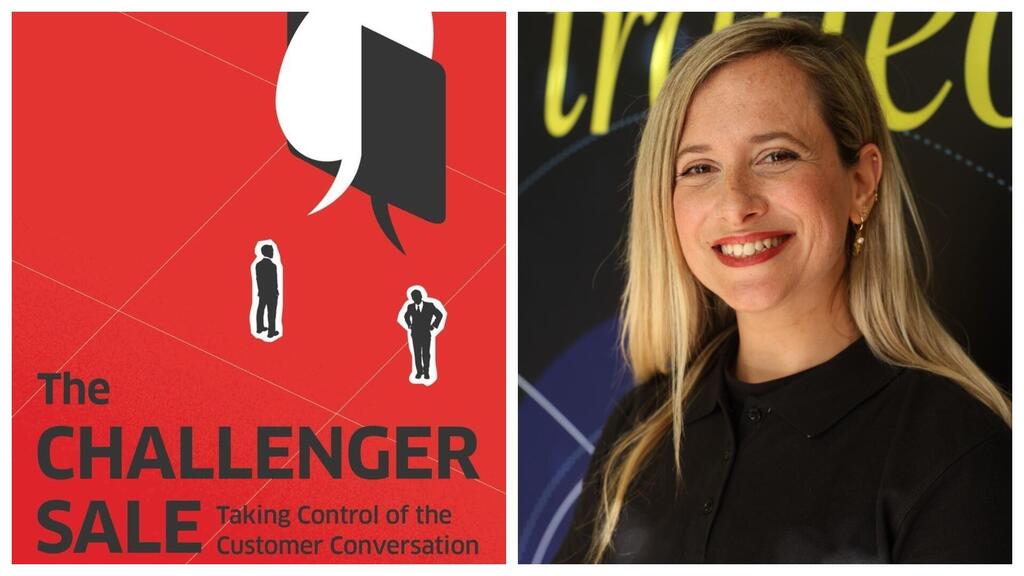
Oshrat Ben Avi Zabludovitz, Country Manager Israel, UAE, Cyprus and Greece at Aerospike, shares insights after reading “The Challenger Sale”, by Matthew Dixon and Brent Adamson.
Oshrat Ben Avi Zabludovitz is the Country Manager for Israel, UAE, Cyprus and Greece at Aerospike, a real-time database company. She has joined CTech to share a review of “The Challenger Sale”, by Matthew Dixon and Brent Adamson.
Title: The Challenger Sale
Author: Matthew Dixon and Brent Adamson
Format: Book
Where: Other
Summary:
I've read quite a few books about sales over the years, but The Challenger Sale is one of the few that genuinely changed the way I think about customer conversations.
The book's central idea is that customers no longer need salespeople to explain products. They can research solutions, compare competitors, watch demos, and read reviews long before they ever speak to a vendor. So if they choose to spend an hour with you, they expect you to bring something they couldn't find on Google.
That really resonated with me. The value we bring isn't information anymore. It's perspective. It's helping customers see opportunities, risks, or challenges they may not have considered.
That's what makes the conversation worthwhile.
Important Themes:
The biggest message I took from the book is that the role of sales has fundamentally changed. Our job is no longer to present information. It's to create value.
I believe this wholeheartedly. Customers are incredibly well informed today. By the time we meet them, they've often read analyst reports, spoken with peers, evaluated competitors, and built a shortlist. They don't need us to repeat what's already on our website.
I've found that the conversations customers appreciate most are the ones where they walk away with a new perspective. Sometimes that has nothing to do with our product. It might be an industry trend we've observed, an architectural pattern we've seen succeed elsewhere, or simply asking a question they hadn't considered.
One of the things I hear most often from customers after a good meeting isn't, "Your product looks impressive." It's, "That gave us something to think about." To me, that's real value, and I think that's exactly what the authors are encouraging.
The book also reminds us that bringing value requires preparation. You can't challenge someone's thinking unless you've invested time in understanding their business first.
What I’ve Learned:
Reading this book made me reflect on the best customer conversations I've had throughout my career.
Looking back, the meetings that led to the strongest relationships weren't necessarily the ones where we delivered the perfect presentation. They were the ones where the customer left with a different way of thinking about a problem.
Every customer is different, but they all have one thing in common: their time is valuable. If they're giving us an hour, we need to make sure they leave with more value than they came in with.
That has become something I consciously think about before every meeting. I ask myself, “What can I bring to this conversation that the customer doesn't already know?” Sometimes it's an observation from another industry. Sometimes it's a lesson we've learned from another customer. Sometimes it's simply connecting dots that nobody has connected for them yet.
To me, that's what separates a good sales conversation from a memorable one. And I think it's a lesson that extends far beyond sales. Whether you're leading a team, building partnerships, or working in marketing, people remember those who help them think differently.
Critiques:
The core ideas have aged very well, but the business environment has changed significantly since the book was published. Today's buyers are far more informed, AI has changed how people research solutions, and many customer conversations begin long before the first meeting.
I also think the book creates a slightly unnecessary contrast between challenging customers and building relationships. In my experience, the best enterprise sales professionals do both. They earn trust over time while also bringing fresh perspectives that help customers make better decisions.
Who Should Read This Book:
I'd recommend this book to anyone working in enterprise technology, not just people with "Sales" in their title.
If your role involves customers, whether you're in sales, partnerships, marketing, customer success, or leadership, the book offers an important reminder: people don't remember the best presentation. They remember the conversation that changed the way they thought about a problem.
That's why I think The Challenger Sale has remained relevant for more than a decade. The technology around us keeps changing, but creating value through insight is still one of the most powerful ways to build trust.



