









SPAR Israel plans six new stores as it takes on supermarket giants
Backed by the Lubinski Group, Amit Zeev is preparing to invest tens of millions of shekels in expansion over the coming year. He is also recruiting independent retailers to join the Dutch chain and using its global purchasing network to challenge established Israeli importers.
Six months after bringing the Manor Group’s Lubinski division in as an equal partner in the franchise for Dutch retail chain SPAR in Israel, Amit Zeev has opened a new store in Shoham. He is now preparing to launch six more locations over the coming year, with a total investment of tens of millions of shekels. Backed by the Lubinski Group, Zeev aims to establish an international alternative to Israel’s established supermarket chains and the major suppliers that currently serve as the official distributors for global brands. At the same time, he is approaching small-scale retailers, offering them the opportunity to operate under the SPAR brand.
“The ambition is to become a leading chain,” Zeev told Calcalist. “That is the foundation upon which SPAR granted me the franchise, banks provided financing, and suppliers offered favorable trade terms. I am building the logistical infrastructure and information systems for a massive retail network, not just for 30 branches.”
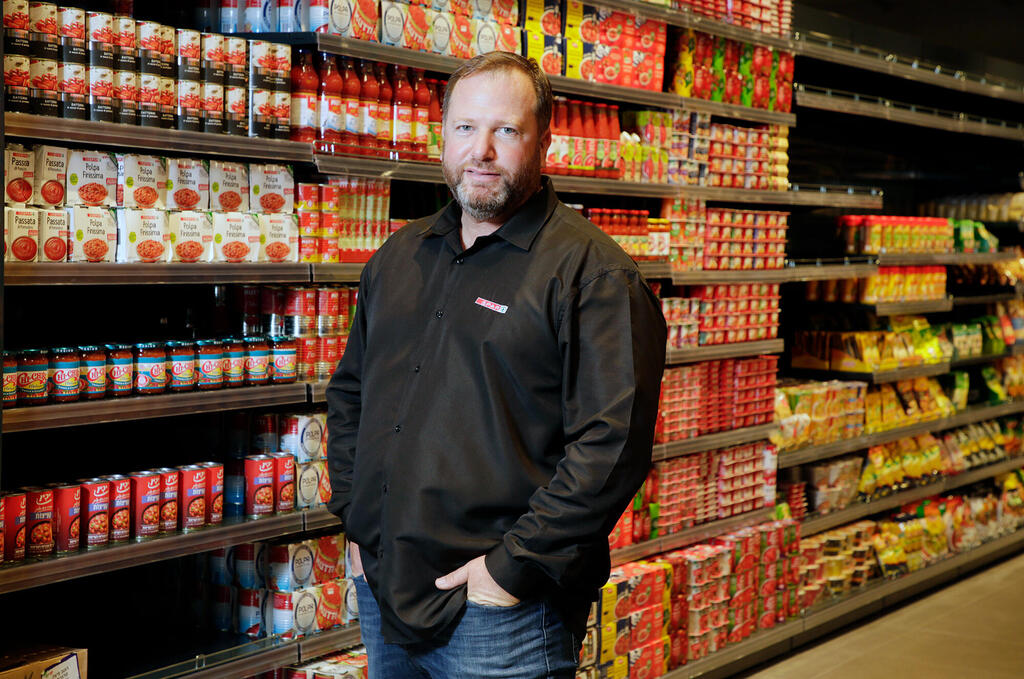
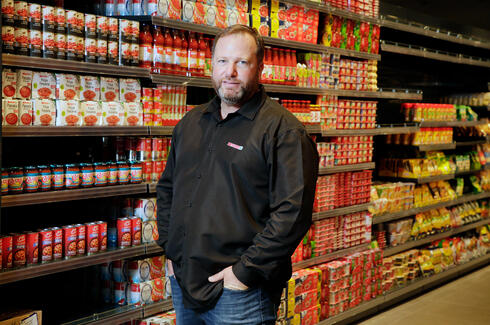
Zeev is currently advancing plans to open two stores, one on Allenby Street in Tel Aviv and another in Kiryat Ono, with an investment of approximately NIS 10 million. At the same time, he is negotiating for three additional properties that he hopes to turn into stores over the next two years. SPAR’s branches are open on Saturdays, when sales account for 15%–17% of total revenue.
Alongside opening company-operated stores, Zeev is seeking to recruit franchisees. The model is based on partnerships with existing retailers, who will continue to run their own businesses and set their own retail prices while adopting the SPAR brand and gaining access to its international procurement network, potentially at lower costs.
“The business remains the retailer’s; they continue to set the retail prices, while the chain earns a commission based on a percentage of the difference between their current purchasing costs and the prices they can secure through us,” Zeev explained.
Zeev is also approaching importers of international brands, seeking to use SPAR Global’s purchasing power to bring products into Israel at lower prices. “I source Alpro through SPAR at a lower cost than Strauss does, and I sell it to consumers for NIS 7.9, whereas other chains charge NIS 14. This isn’t ‘parallel importing’; it’s direct importing via SPAR. I am now beginning to bring in dozens of products from international brands that are otherwise distributed in Israel by the Central Bottling Company, Osem, Strauss, Unilever, and Diplomat.”
Zeev’s route into the retail sector was not straightforward. After serving for seven years as CEO of Dor Alon, he was recruited in June 2021 by Zvika Schwimmer to head Yenot Bitan, the supermarket chain that later secured the Carrefour franchise in Israel. However, less than a year into the role, he was replaced by Uri Kilstein. Zeev had encountered SPAR while searching for an international brand for Electra Consumer Products, and subsequently secured the franchise to establish the chain in Israel.
In March 2023, Zeev signed an agreement with Shufersal under which the retail chain was to acquire a 20% stake in the SPAR franchise. However, conditions imposed by the Competition Commissioner led Shufersal to abandon the plan. In early 2024, Zeev opened the first SPAR store in Kfar Saba, investing approximately NIS 10 million. The 2,500-square-meter store featured around 750 products under the Dutch brand, as well as a café, a plant nursery, a “beer cave,” and a bowling alley.
Zeev later sold a 19.9% stake in the company to Yitzchak Mirilashvili, but the partnership was short-lived. He subsequently bought back the stake, saying that the partner’s name had deterred potential investors.
About a year later, an urban SPAR branch opened in Tel Aviv. The 250-square-meter store represented an investment of NIS 1.5 million. An Iranian missile strike at the site forced it to close for renovations, and it reopened in September last year. In January this year, Zeev granted a franchise to Kibbutz Beit Alfa, which now operates a SPAR mini-market for its members.
On the partnership with the Lubinski Group, Zeev said: “The accounting firm BDO knew I was seeking an investor and that the Group was interested in making investments, so they connected us. We began discussions in late 2025, signed the agreement this past March, and the deal was finalized in July.”
Zeev plans to develop SPAR in Israel across several formats, ranging from convenience stores and urban outlets to large supermarkets. “Once we have refined each format, solidifying its identity, unique value proposition, design, and operational model, we will hit the ‘replicate’ button.”



