









International VC Survey 2026
“You’re going to find a disproportionate number of the brightest minds in AI per capita in Israel”
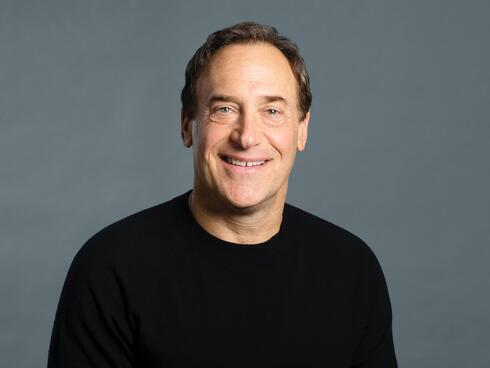
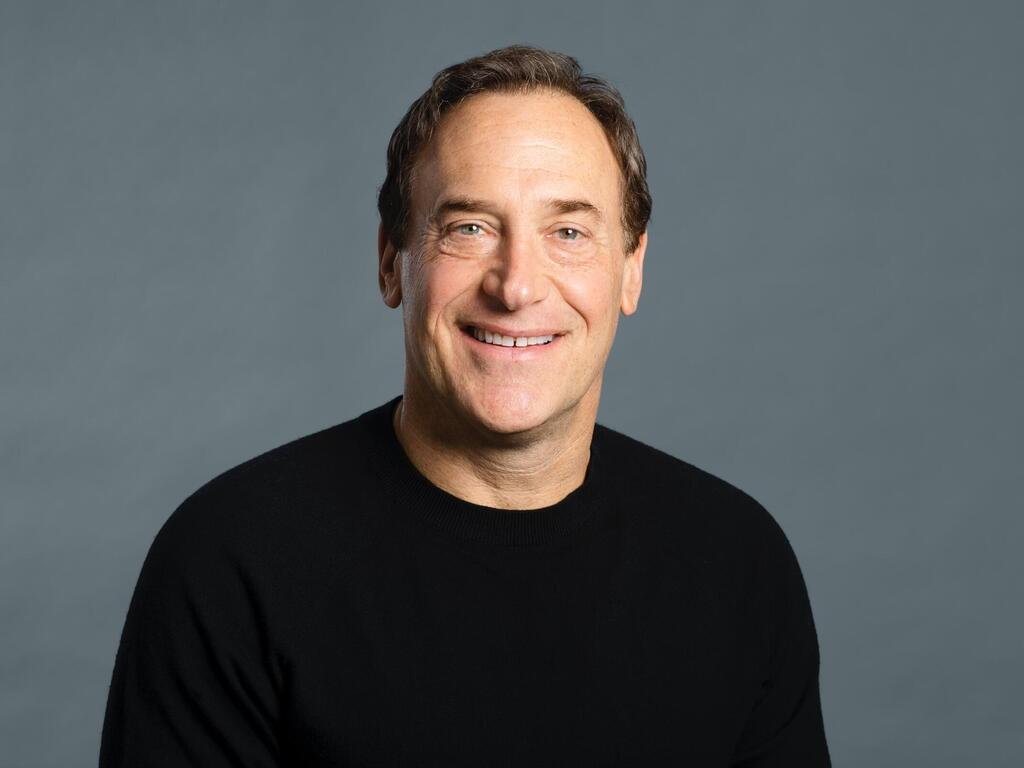
Buddy Arnheim, founding partner at Lobby Capital, joined CTech for its 2026 International VC Survey.
“There are arguments about the timing of when agentic AI behavior is truly autonomous, but I think there's confidence that we're going to get there in the next few years, two to five years. And where are the folks that are building that getting their talent? They're getting their talent from the best research institutions in the world, which includes some of the schools in Israel,” said Buddy Arnheim, founding partner at Lobby Capital.
“Right now there's effort being put into hiring and assembling the brightest minds in AI. And I think you're inevitably going to find some of those people in Israel – maybe a disproportionate number of folks per capita in Israel.”
CTech reached out to Lobby Capital to explore the evolving "remote" VC-founder relationship and the specific strategic markers that attract global giants to the Israeli market in 2026.
You can read the entire interview below.
ID CARD
Fund Name: Lobby Capital
Total Assets Under Management: $~2B
Partners/Managers: Buddy Arnheim, David Hornik, Eric Carlborg, Collin Wallace
Notable Portfolio Companies: Hidden Level, Mesh Cybersecurity, Faros AI
Notable Exits: Procyon (acquired by Ping Identity), Vowel (acquired by Zapier)
As we move through Q1 2026, are you seeing early signs of the IPO window reopening for Israeli tech, or does M&A remain the more realistic exit path in the near term? What indicators are you watching most closely?
We're all encouraged that globally, US IPO activity is picking up and will continue to pick up, with things like the SpaceX IPO being announced. There's also some concern that a huge amount of capital that's allocated for new issues will get consumed by only a few IPOs. So on the one hand, the window seems to be opening for some very large offerings but on the other hand, those offerings may sop up all the available capital.
As it relates to Israel there's minimal distinction between a non-Israeli based company and an Israeli based company. Maybe there's a little concern about the lingering war activity, but it doesn't seem to have a huge implication in the financial markets.
But what has become obvious is that there's not as much receptivity in the public investor base for companies that are sub-5 to 10 billion dollars in market cap. And so how many Israeli companies have achieved that level? There's not many companies globally, let alone in the state of Israel. So until the companies reach that level, it's going to be a difficult IPO environment.
Post-market correction, which performance metric is actually driving conviction in Israeli companies right now? Are investors prioritizing something specific to the current cycle?
There’s a lot of enthusiasm right now for AI. There’s a lot of hope and promise that AI is going to dramatically impact a lot of industries, and bring a lot of efficiencies, and yet also cannibalize a lot of work opportunities. And I think Israel is in a really interesting position to garner more attention because of the breadth of familiarity and comfort and expertise around AI.
I think that cyber has always been a stronghold for Israel. There’s such a deep pool of expertise around cyber that stems from work experience in the IDF and sort of the seriousness of cyber warfare implications on Israel. And so, cyber will continue to be kind of a strong hand for Israel, but we’re also seeing amazing things coming out of just software infrastructure. We’re seeing amazing things on the energy side. We’re seeing some phenomenal things on the digital health side.
How are you currently pricing geopolitical and operational risk when evaluating Israeli companies?
I'm not sure we're factoring it into evaluations expressly, but probably implicitly.
It's been astounding to me how resilient our tech teams have been in Israel. We've had calls where we've had to pause while they go down in shelters; we've had meetings scheduled in Europe and the U S that have to be canceled because of travel restrictions. And yet the product development progress has been unwavering. It's just truly remarkable that under such difficult environmental circumstances, these teams can still function at such a high level. That's kind of helped us mitigate our discomfort.
At the same time there is a concern about longer term implications: how long can people work under such a stressful environment? It's not great when you have to cancel a sales prospect because flights have been canceled or it's difficult to travel. That is a temporal challenge that – if it extends for too long a period of time – could have a negative implication on a startup's ability to progress.
Ultimately the valuation of an Israeli business is probably a little depressed because of it – but when I say a little depressed, maybe 5% or 10%. I don't think it's that much more dramatic than that.
For foreign investors specifically, what has been the most persistent friction point when deploying capital into Israel recently? Is it regulatory clarity, talent mobility, capital structure, or something else?
From a legal standpoint, one friction point is we do require the companies in which we invest to have a US parent, and typically an Israeli subsidiary that employs the Israeli populace.
When we look at the current environment where it's a little bit more difficult to travel here, our preference is that an important member of the team that's leading going to market – usually the founder – is actually relocated to the United States.
Israeli founders are often associated with speed and adaptability. In the current environment, does that still translate into an advantage, or are you seeing stronger outcomes from teams that skew toward operational discipline and predictability?
That question presupposes that there is no operational discipline in Israeli startups. And I would take issue with that.
The teams that we've backed and we've worked with have been by-and-large excellent: completely committed to their mission, very self-aware and willing to self-improve on operational expertise.
There's almost a disproportionately higher number of Israeli entrepreneurs that are exceptional across the board than we see in other jurisdictions. Like yeah, Silicon Valley has an amazing talent pool, and it's because a lot of us have grown our careers watching repeated entrepreneurial successes, and we've learned from that. I think the same thing is true in Israel.
There's just been so much successful entrepreneurial activity that the young people that are launching their new startups have the luxury and discipline to observe those prior successes, learn from those prior successes and adapt those prior successes’ game plans.
Looking at deal flow today, where do you see the largest disconnect between perceived risk and actual opportunity in the Israeli market?
Israel is known for cyber, and a lot of foreign and non-Israeli investors are paying attention to early Israeli cyber opportunities. So those, you could argue, are overfished.
And yet, once in a while we see something that has not been given as much attention – by even Israeli investors, let alone foreign investors – that falls into the cyber world that we think is pretty interesting.
Israel has also produced some amazing non-cyber businesses. The diversity of opportunities in Israel is probably underappreciated by non-Israeli investors. I think there's a myriad of sectors that are non-cyber where there's really interesting prowess from Israel’s entrepreneurial community that probably doesn't get as much attention from foreign investors. And for us, we're thrilled to look at those deals.



