










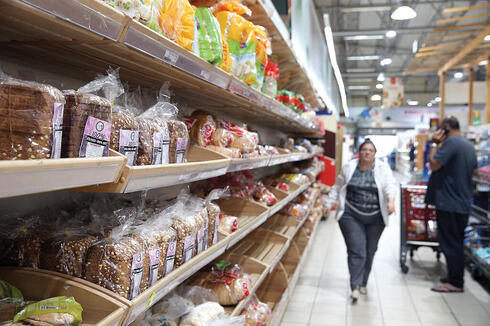
After the elections, Israelis face another test of their grocery bills
Eggs and flour are becoming more expensive just as attention shifts to forming a new government. Rising input costs could put further pressure on food prices, testing campaign pledges to tackle monopolies and the cost of living.
Price hikes are back on the agenda. Next week, the prices of flour and eggs are set to rise by as much as 14%. The increases will directly affect the cost of eggs and bread in stores, but their impact may not stop there. Both products are essential inputs for the food industry, raising concerns that higher costs could trigger another wave of price hikes across the market.
The surge in wheat prices that has driven up flour costs has also affected other grains used in animal feed. Feed is a major factor in the cost of producing dairy products, poultry and eggs, meaning that higher grain prices could push up costs across several key food categories.
The timing of the flour and egg price increases, immediately after the elections, raises concerns that manufacturers could take advantage of a period when public attention and that of incoming Knesset members is focused on coalition negotiations to impose price hikes before the new government takes shape. The increases come on top of other mounting costs, including an expected rise in fuel prices following the expiration of an excise-tax subsidy in about a week, higher municipal property taxes (arnona), and rising labor costs for companies that began employing foreign workers this year.
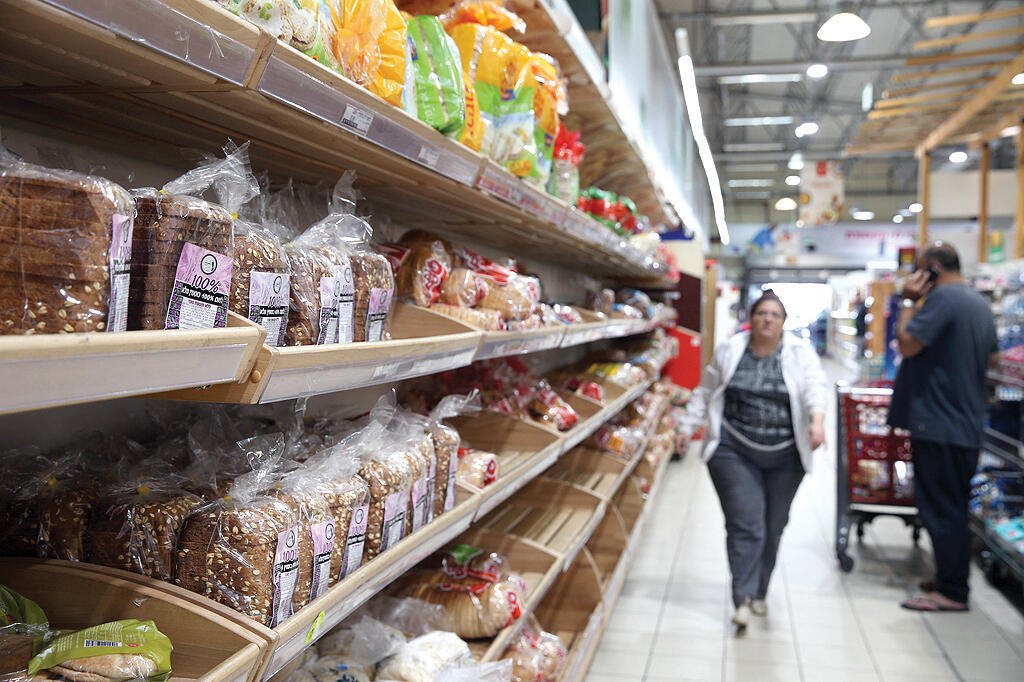
The most recent wave of price increases also began immediately after the 2022 elections.
On the other hand, manufacturers may be cautious about the pledges made during the election campaign by parties in the “change” bloc, particularly promises to dismantle monopolies and address Israel’s high food prices. Those commitments could encourage companies to act more cautiously rather than risk provoking a public backlash.
Eggs become more expensive
Last Thursday, the prices of price-controlled eggs were updated, with a 2.1% increase set to take effect on Sunday, November 1. The change translates into an increase of 27–33 agorot per carton of 12 eggs, depending on their size. A carton of large (L) eggs will cost NIS 14.54, while a carton of medium (M) eggs will cost NIS 13.40.
The increase follows a 1% rise last year and a 16% jump in 2023. It comes after the outgoing government canceled a reform of the egg sector that had been approved under the “Government of Change.” The reform set a target of gradually eliminating production quotas and government planning by June 2032, while transitioning to cage-free hen houses and providing compensation to farmers.
The Ministry of Agriculture attributed the latest increase to changes in production and marketing costs throughout the supply chain, from farmers and distributors to retailers and consumers. These include the costs of poultry feed, labor, energy and packaging.
Flour costs threaten to push up bread prices
The increase in egg prices comes alongside an impending rise in flour prices, which are set to climb by 11% to 14% in early November. The increase is being driven by higher wheat prices, which suppliers attribute to the escalation of the Russia-Ukraine war and rising shipping costs.
The higher flour prices are expected to affect bread, baked goods and other flour-based products, including pasta, ptitim (Israeli couscous) and crackers.
In a notice informing customers of an 11% price increase effective next month, flour supplier Bar-Rav wrote: “Over the past few months, there have been sharp increases in global wheat prices, largely due to the closure of Black Sea ports to wheat shipments, a consequence of the significant escalation in the war between Russia and Ukraine. This reality has forced us to shift our import sources and procure wheat from Western European countries at significantly higher costs, reflecting a price gap of 35% to 40% compared to levels seen just a few months ago. These developments have led to a substantial rise in the costs of raw materials, logistics, and labor, which in turn has driven a sharp increase in the price of flour.”
Mifratz Flour Mills Group has also notified customers of a 14% increase, effective on the same date. Customers of Stiebel flour company may receive similar notices in the coming weeks.
Bakeries are expected to respond by raising prices for non-price-controlled bread and baked goods. They are also expected to approach the Price Controller at the Ministry of Economy, who has the authority to adjust the regulated price of bread.
It remains unclear how the ministry will respond, and it may wait until the new government is sworn in. One of the main challenges facing bakeries is that the prices of price-controlled bread have not been updated for four years. The last time regulated prices were raised, the price of white bread subject to price controls jumped by 36%, following increases in the prices of bread varieties outside the price-control regime.
In 2022, after successive economy ministers refused to update regulated bread prices, bakeries increased the weight of loaves from 750 grams to 900 grams. This effectively increased the price of controlled bread while keeping the price per 100 grams unchanged.



