










Israel postponed price hikes before the election. Now the bill is coming due
Tax cuts and frozen tariffs have helped hold down some consumer prices, but the relief has come at a cost. Fuel, public transportation, electricity and water could all become more expensive as deferred increases catch up with households.
The next Israeli government is likely to face a difficult choice: raise taxes and regulated prices, potentially by substantial amounts, or find other ways to cover the growing costs of keeping them down. The outgoing government has managed to postpone a series of increases in fuel, public transportation, electricity and water. But delaying those increases has not eliminated the underlying costs. It has simply shifted part of the bill into the future.
Once the elections are over, some of those increases may become difficult to avoid. The question is how much consumers will have to pay.
The government’s intervention in fuel prices offers a recent example. Prime Minister Benjamin Netanyahu and Finance Minister Bezalel Smotrich chose to forgo approximately half a billion shekels in tax revenue to prevent the price of a liter of gasoline from crossing the NIS 8 threshold.
1 View gallery
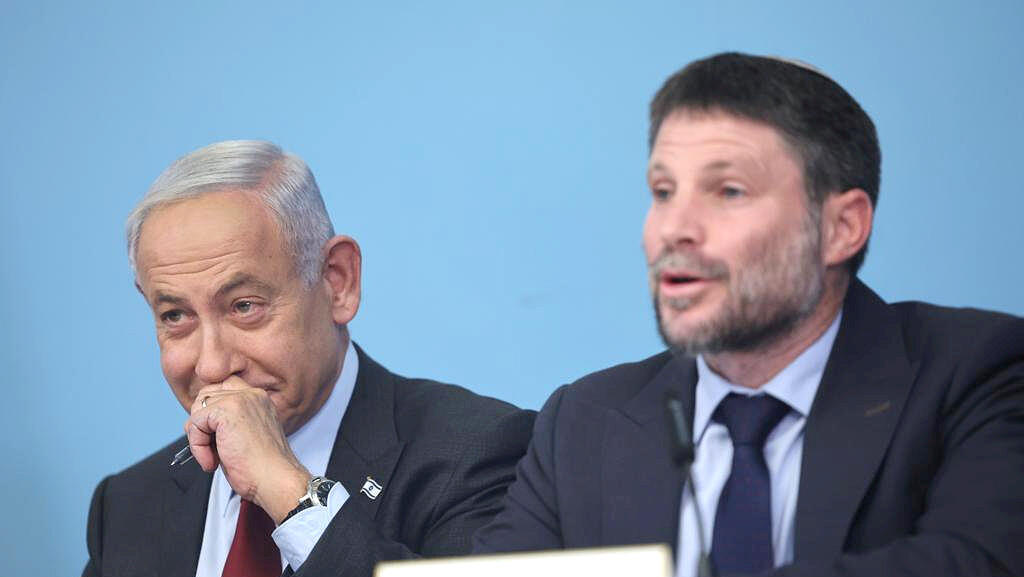
Finance Minister Bezalel Smotrich (right) and Prime Minister Benjamin Netanyahu
(Yonatan Sindel/Flash90)
The regulated price of gasoline is calculated using average fuel prices in the Mediterranean basin during the five trading days preceding the end of each month. Those prices have surged over the past two months, partly because of the conflict involving Iran and partly because Ukrainian strikes have damaged oil refineries in Russia. The weakening of the shekel against the dollar has added to the pressure.
Smotrich responded with two separate reductions in the excise tax on fuel, amounting to a total cut of NIS 1 per liter. Based on gasoline consumption, the two-month relief measure is expected to cost the state approximately NIS 500 million. That lost revenue will ultimately have to be offset through other tax receipts or spending cuts.
For now, motorists have been shielded from the full increase. But fuel tax reductions cannot continue indefinitely. Gasoline prices are expected to jump in November. Even if global fuel prices fall, which appears unlikely amid current tensions in the Persian Gulf, the excise tax per liter is set to rise by NIS 1, a change that will be reflected at the pump.
Public transportation: The freeze will end
Cutting gasoline taxes, primarily benefiting private motorists, also creates an imbalance with public transportation. Bus and other public transport operators rely on diesel, which is expensive and not subject to the same price regulation. Meanwhile, public transport fares are also expected to rise, potentially in January 2027.
Public transport fares rose by approximately 45% during 2025, after the price of a single bus ride increased from NIS 5.50 to NIS 8. At the same time, Transportation Minister Miri Regev introduced a reform known as “Transport Justice,” intended to expand public transport services and provide fare discounts to various population groups, many of them living in ultra-Orthodox cities and neighborhoods. The reform also introduced free travel for passengers over the age of 67.
The reform struggled to live up to its name. According to Transportation Ministry data presented to the Knesset, only about 300,000 of more than 3 million eligible people had used the benefits. Following intense criticism, Regev announced that public transport fares would remain unchanged throughout 2026. The decision, however, postponed the increase rather than canceling it.
Passengers could face higher fares in 2027, after the Transportation and Finance ministries deferred an increase originally scheduled for 2026. Estimates point to a cumulative rise of at least 4%, based on an indexation mechanism linked to operating costs, including wages, fuel and insurance. In the most conservative scenario, the price of a city bus or light rail ride would rise from NIS 8 to NIS 8.40.
Other estimates suggest the increase could be steeper. Postponing the fare adjustment costs the state approximately NIS 20 million a month. That expense does not eliminate the underlying increase; it merely pushes the cost into the next year.
Electricity is also set to become more expensive
Electricity and water tariffs are also expected to rise, although the precise increases remain uncertain.
Electricity prices are determined using a formula that takes into account the Consumer Price Index, interest rates, the dollar exchange rate and coal prices. Natural gas, Israel’s primary fuel for electricity generation, is supplied under long-term contracts.
Other factors can also affect the tariff, which is set by the Electricity Authority’s plenum. The Israel Electric Corporation (IEC), for example, sold its stake in the fiber-optic venture IBC for NIS 250 million. Half of the proceeds is expected to be returned to the public, potentially reducing electricity tariffs by approximately 0.5%, provided the transaction is completed soon. That reduction, however, would offset only part of the expected increase.
The most conservative estimates put the electricity tariff increase at around 2%, or approximately 1.5% after accounting for the expected contribution from the IBC sale. But the tariff formula includes a band within which the effects of external factors are limited. That band may have been breached this year.
The intense fighting with Iran during Operation “Lion’s Roar” led to the shutdown of gas platforms and increased reliance on more expensive fuels, including coal and diesel, for electricity generation. The Electricity Authority is also holding a hearing on whether to recognize additional costs incurred by the IEC during the construction of new generation units at the Orot Rabin power plant in Hadera.
The company says those costs stemmed from malfunctions by the manufacturer, General Electric, as well as the recent conflict involving Iran. The matter remains under review. The Electricity Authority’s plenum could therefore approve an increase greater than the estimated 1.5%.
The water crisis will hit consumers’ pockets
Unlike electricity tariffs, water prices are not governed by a rigid formula that dictates the size of each adjustment. Decisions are expected to generate debate within the Water Authority’s plenum.
Israel’s water sector operates as a closed financial system, with tariffs intended to cover its costs without additional state subsidies. Several factors could push those costs higher, including electricity prices. Desalination plants and the national water company, Mekorot, are major consumers of electricity.
The next tariff adjustment must also account for the cost of replacing filters at desalination plants. An algae bloom that triggered a water crisis accelerated wear and tear on existing filters. During the crisis, desalination plants also operated under less efficient conditions, increasing their electricity consumption.
The depletion of Israel’s natural water reserves is expected to require greater reliance on desalination next year, adding another potential cost to the system.
In recent years, the Water Authority’s plenum has faced pressure from Energy Minister Eli Cohen to limit tariff increases, despite warnings that holding prices down could lead to problems later. A year ago, for example, a decision was made to reduce water purchases from desalination plants. That contributed to the depletion of natural reserves, leaving the system under greater strain during the algae crisis. Such decisions could now contribute to a sharper increase at the next tariff adjustment.
Decisions are expected in November and December, when Israel could be under a transitional government or in the early days of a new administration. Political pressure to restrain prices may be weaker during that period, increasing the likelihood of a substantial adjustment. Estimates put the potential water tariff increase at between 3% and 5%.
The costs will spread beyond utility bills
Electricity, water and fuel are essential inputs across the economy. When their prices rise, businesses face higher operating costs, which can feed through to the prices of food and other goods and services.
The government may have succeeded in postponing some increases until after the elections, but postponement is not cancellation. The costs will eventually have to be covered, whether through higher taxes, spending cuts or higher regulated prices.
For households, the consequences could be felt across several fronts at once: at the gas station, on public transport, in electricity and water bills, and ultimately in the weekly shopping basket. The next government may inherit not only a series of deferred price increases, but also the political challenge of explaining why keeping prices down today has made tomorrow more expensive.



