24/7
Buzz
Startups
VC
AI
Innovation
Opinions
Events
Promising Startups 2026
2026 VC Survey
Boarding Pass
CTalk
BiblioTech
Corporate
Appointments
Tech Gateways
@Finance
Ctech Testimonials
Projects
About
Newsletter
Contact us
Facebook
Twitter
ACCESSIBILITY
by
Homepage
Moshe Larry
Tags search
HOME
24/7
buzz
STARTUPS
VC
AI
Innovation
OPINIONS
EVENTS
Projects
ABOUT
teram of use
Privacy Policy
NEWSLETTER
SEARCH
CONTACT US
ACCESSIBILITY
24/7
Headlines
18:20
The World Cup warning: Riots don’t start in the streets. They start online
18:07
“There’s a price where you have to say yes”: CyberArk founder on the $25 billion Palo Alto deal
14:18
"If there is no significant change, we will see a 25%-30% reduction in high-tech's workforce"
13:32
“There is no better solution for Zim than the one we created”
More stories
Buzz
Most popular
Daily
Weekly
1
"If an engineer in Ireland costs 20% less, it is clearly part of the consideration when deciding where to expand"
2
Iron Dome and Iron Beam maker Rafael unveils new weapon against the drone threat
3
"If there is no significant change, we will see a 25%-30% reduction in high-tech's workforce"
4
Echo: “Employees have become very good at identifying performative culture”
5
Unicorn Artlist to cut 200 jobs, 40% of workforce, despite surpassing $300 million ARR
More news
Moshe Larry
2 stories about Moshe Larry
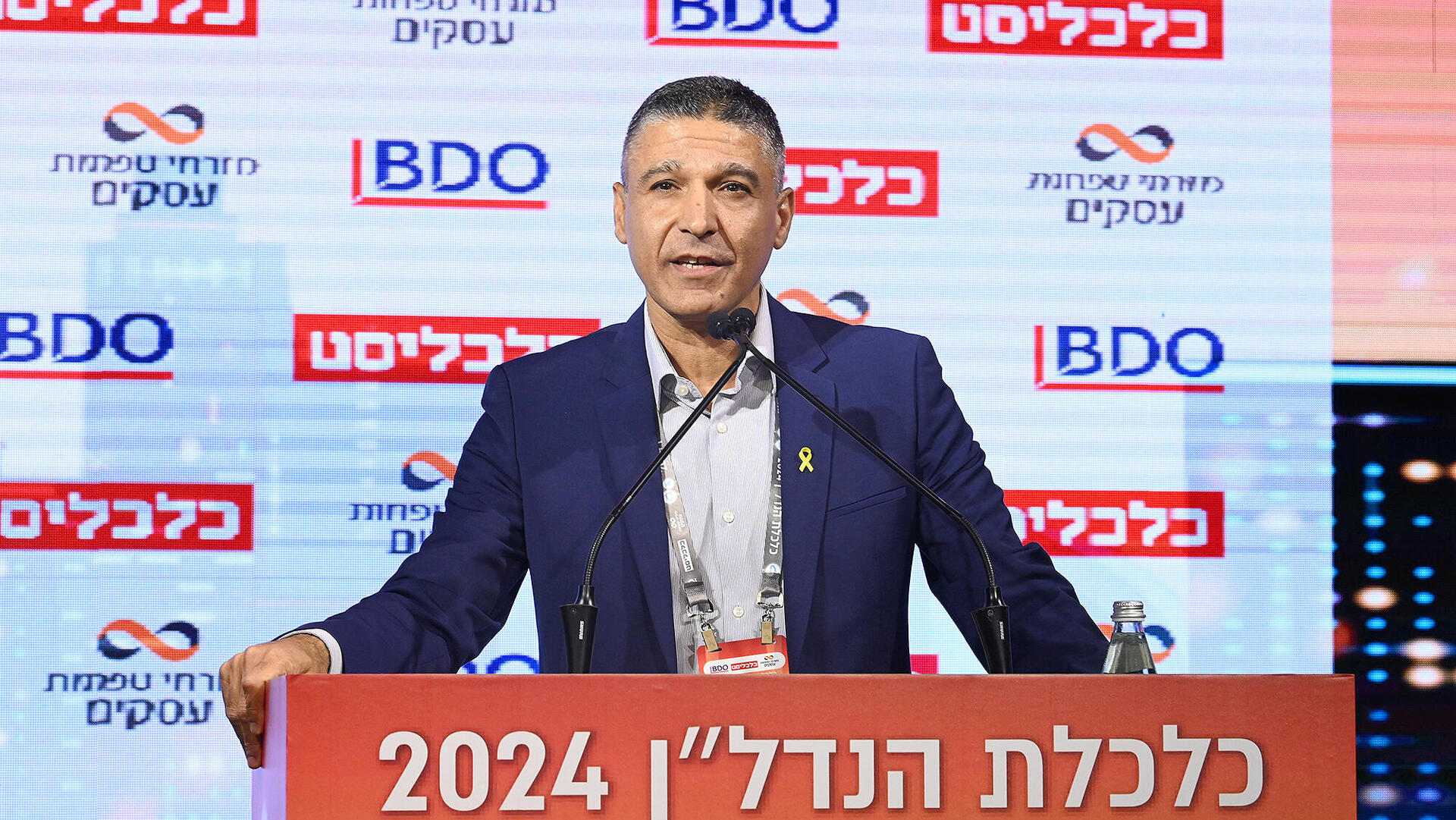
Mizrahi-Tefahot CEO: "The 2025 budget must be professional, not driven by sectoral demands"
09.09.24
|
Tomer Hadar
Moshe Larry was speaking at Calcalist's 2024 real estate economy conference held in collaboration with Mizrahi-Tefahot. "The budget must be crafted with long-term planning. If not, we could face economically lost years."
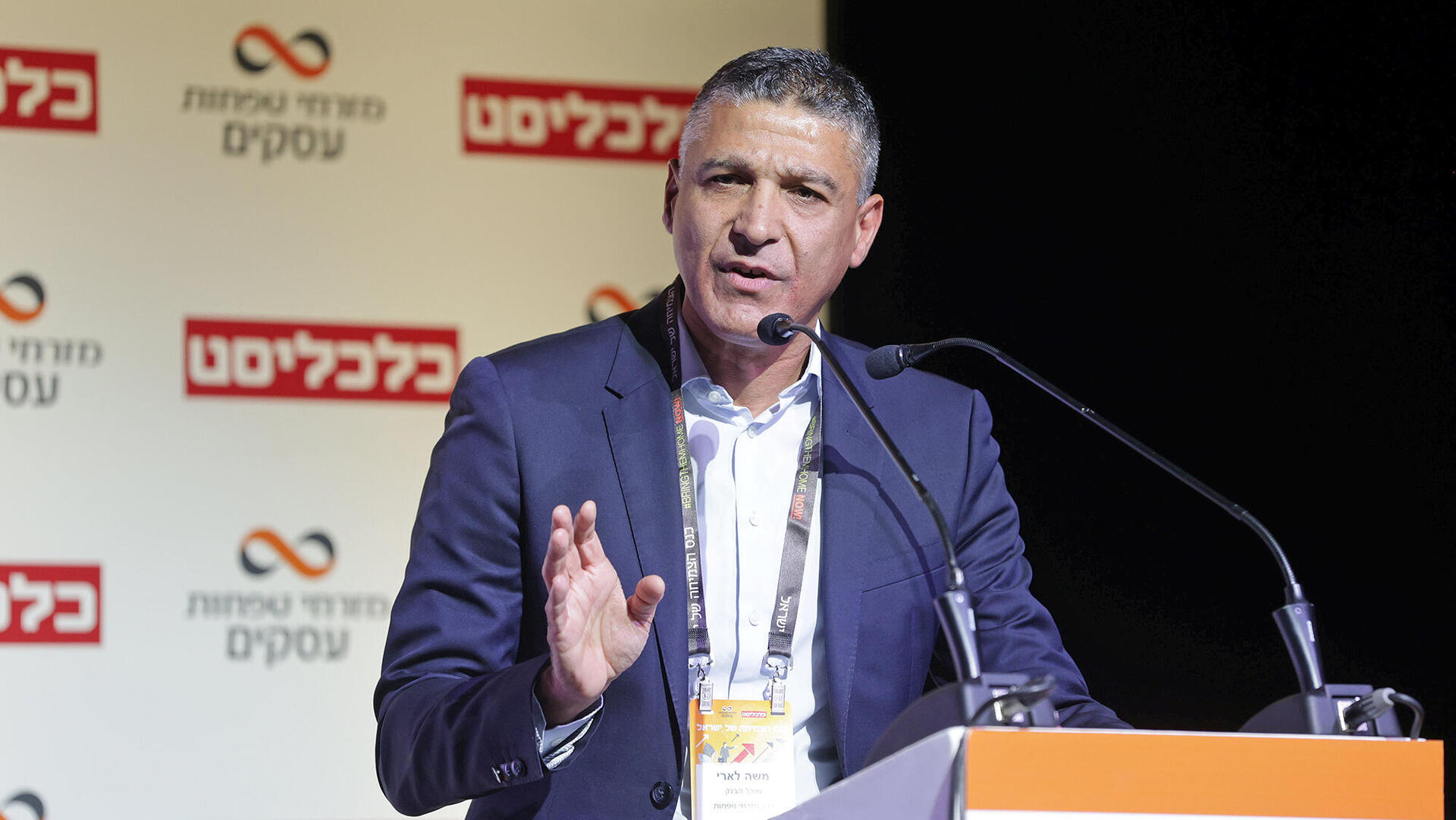
"We are at the most dangerous economic juncture for Israel since its founding"
26.06.24
|
Maayan Manela
The CEO of Mizrahi Tefahot Bank, Moshe Larry, made these statements at the growth conference of Calcalist and Mizrahi Tefahot. He called for brave decisions to be made in light of Israel's economic situation against the backdrop of the war, including raising taxes and reducing expenses, and avoiding the allocation of coalition and sectoral funds.