








HR The Next Leap
Onyx: “Leaving the country is not part of the conversation here”
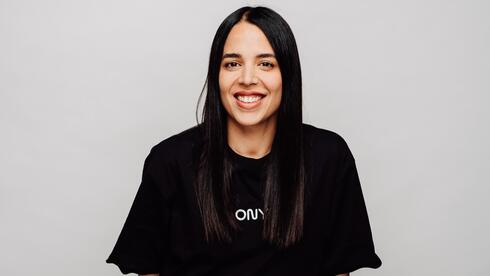
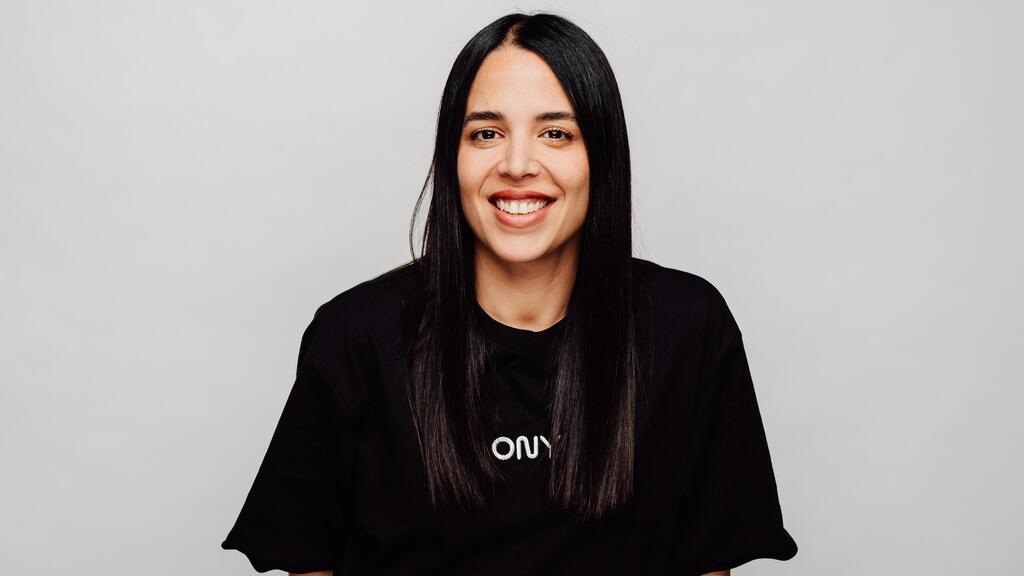
Liron Ripp, Director of People and Talent at Onyx Security, explores the company's experience of local loyalty and meeting global obligations within ongoing emergency states, alongside the startup's mandate for AI adoption, as part of CTech’s HR: The Next Leap series.
“We have quite a few employees who have dedicated many years to the IDF and continue to contribute through reserve duty, and leaving the country is not part of the conversation here,” says Liron Ripp, Director of People and Talent at Onyx Security, an Israeli startup developing a secure control plane for AI agents and models. Despite the ongoing conflict sparking industry-wide fears of a local brain drain, Ripp asserts that the company has simply “not encountered requests of this kind due to the security situation.”
From active and looming war threats, to AI rapidly and constantly redefining what it means to be productive, running a company in Startup Nation brings with it its own category of challenges and rewards. HR: The Next Leap takes a glimpse into the heart of Startup Nation via the HR professionals shaping its culture. We survey the executives whose jobs are more demanding and more vital than ever, as they heed the future-proofing of their workforce, while simultaneously ensuring business continuity and employee wellbeing during relentlessly unprecedented times.
As traditional office perks lose their appeal, today’s people professionals are understanding that stability and a sustainable work-life balance are the new paramount. This has been all the more pronounced in Startup Nation in recent years, where Ripp acknowledges the tension between fulfilling obligations to overseas clients and mitigating employee burnout. “This is a question that still occupies us daily, and we have not yet reached a definitive conclusion,” she says. “We are still in a process of learning and listening, and we try to do our best across all fronts.”
You can read the entire interview below.
Company Name: Onyx Security
Sector: AI Security
Founders: Maxim Bar Kogan and Gil Elbaz
Year of Founding: 2024
Investment stage: Series A
Total investment to date: $40M
Investors: Cyberstarts, Conviction
Current number of employees: 80 globally
Open positions: Senior Software Engineer, AI Researcher, Senior Account Executive, Senior Solution Engineer, Product Manager, CS, TAM
Website: https://onyx.security
Social Media: LinkedIn
As of March 2026, the market officially shifted into an 'employer's market'. How have your screening criteria changed, and do candidates - including senior-level ones - still hold any leverage in negotiating salaries and terms?
I understand the broader market context behind the question. But when it comes to us at Onyx, as a relatively small startup with a very clear focus on high-quality, precise hiring, our criteria hasn’t changed.
Strong talent will always have job offers and there will always be competition. Therefore, the challenge is to be competitive across a range of parameters, such as a very interesting and groundbreaking product, commercial success, strong and talented team members, professional growth and development opportunities, and of course a role that allows the candidate to bring themselves and their strengths into expression.
How have/are you managing operational continuity and recruitment while the economy navigates the emergency state triggered by the conflict with Iran? With the threat of escalation looming at any moment, how are you and have you been handling everything from interviews interrupted by sirens to managing teams thinned by massive, ongoing reserve duty?
We have been living in a dynamic and ever-changing reality for quite a long time, and we have developed our adaptability accordingly.
Whether it’s interviews or meetings that are interrupted by sirens, we find ways to ease the situation with a smile, be considerate, take into account the candidate’s stress during the evaluation stages, and offer to reschedule if needed. This is also true for meetings with our teams and our U.S.-based clients, who are amazing partners, very understanding of the situation, and wait for us on Zoom when we return from the shelters.
Within our teams, we always encourage reserve duty and support our employees, both through team members who cover professionally for those serving in the reserves, and as an organization, by doing our best to ease the burden, sending care packages to employees’ homes, supporting spouses, and more.
Beyond the role of empowering employees, which roles has AI eliminated over the past year, what percentage of your workforce was reskilled to avoid being phased out, and how has this impacted entry-level hiring?
Fortunately, we have not experienced any role redundancies, as we are a company operating in AI.
From the outset, we aim for candidates who are either experienced in the field or have a strong orientation and deep interest in it. To thrive and succeed with us, there is no alternative but to adopt AI tools, and we promote this across the entire organization, including allocating a dedicated budget whose sole purpose is to adopt and integrate the most advanced and newest tools in the field of artificial intelligence.
Against the backdrop of the unstable security and political climate, are you seeing an increase in relocation requests or 'quiet quitting' by top-tier talent moving abroad, and what is the most proactive step you are taking to retain them in Israel?
To be honest, we have not encountered requests of this kind due to the security situation. We have quite a few employees who have dedicated many years to the IDF and continue to contribute through reserve duty, and leaving the country is not part of the conversation here.
In addition, I can share that we are proud of where we come from. We were happy to host our American employees here in Israel, and they also enjoyed it and are looking forward to returning!
In an era where stability has replaced flashy perks, how are you addressing the deep mental burnout of employees torn between the professional and security fronts, and what is the most critical benefit you offer today in place of the bonuses that have vanished?
This is a question that still occupies us daily, and we have not yet reached a definitive conclusion. In a reality where people wake up several times during the night due to sirens – worried, alert, and tired – and then get up in the morning to a full day of work and activity, there will be burnout and difficulty; I don’t think it’s something that can be completely avoided.
We have been living in a very complex and dynamic reality for quite some time. On the one hand, it is important for us to continue and succeed – our customers are in the U.S., where they are not living under the same conditions of danger or war, and the show must go on. On the other hand, it is important for us to take care of our employees, and finding the right balance is challenging. Therefore, we are still in a process of learning and listening, and we try to do our best across all fronts: we allowed remote work throughout the weeks of the war for those who preferred it, while keeping the office open for those who felt more comfortable working from there. We made sure to send weekly care packages to everyone’s homes, we consistently checked in on everyone’s well-being, and we maintained a healthy routine at the office with shared breakfasts, holidays, all-hands meetings, and more. We hope and look forward to a period of security, calm, and stable routine.



