










"Because of AI, ten different roles in the development process will be reduced to two"
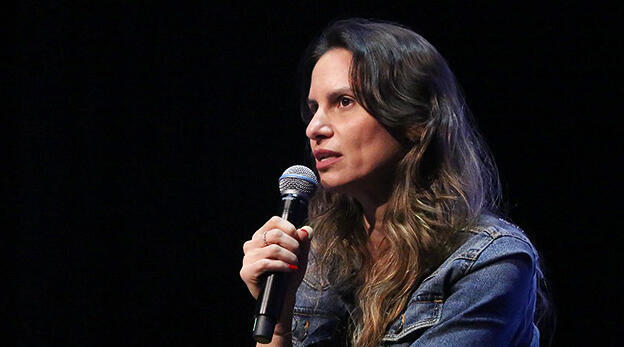
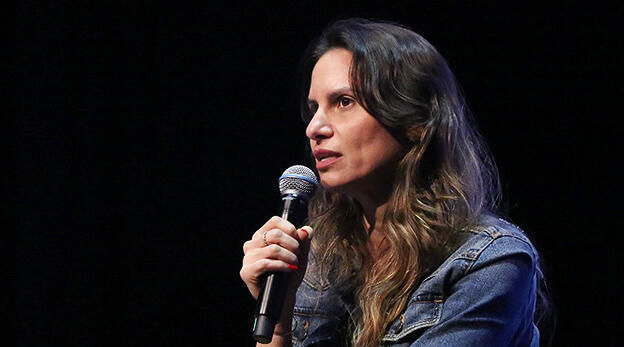
Rinat Zilberstein, AT&T Israel General Manager and VP R&D at AT&T, was speaking at Calcalist's Tech TLV conference.
“Because of AI, ten different roles in the development process will be reduced to two. Each employee will be able to do much more,” said Rinat Zilberstein, AT&T Israel General Manager and VP R&D at AT&T, in a conversation with Calcalist reporter Amir Kurz at Calcalist’s Tech TLV conference, held in cooperation with Leumi.
In her opening remarks, Zilberstein described the moments when she realized how critical AI would become for the future of high-tech. “We had been testing GPT models since 2018, and they simply weren’t good enough,” she said. “The first moment of revelation came in 2022, when ChatGPT was released and I understood that the problem had finally been cracked. The second moment was six months later, when we were given responsibility for leading the AI revolution within AT&T, thanks to our bold approach. It required a complete shift in mindset, education, accessibility of tools, and organizational maturity. That was our second leap forward.”
The AI revolution is not just a technological change, it is something deeper.
“It is first and foremost a psychological event, because a technology organization must embrace tools that will reduce the manual workload of employees. Of course, top talent understands the importance and runs with it, but that is not true for everyone. We had to make it clear that this is not a question of whether it will happen, but that it is already happening, and those who don’t board the fast train will become irrelevant. Once everyone understood that reality, real progress began. Only then could we focus on large-scale improvement and implementation.”
How will technology roles change?
“All roles will change in the coming years, not only technological ones. The same people will perform broader and more complex roles. Three years ago, a programmer was defined mainly by a specific language; today the role includes architecture, product thinking, and even building tools for other developers. Responsibilities are expanding dramatically. We will see ‘patrol teams’ of two or three people who can take a project from start to finish. Experienced professionals will have an advantage because they possess critical thinking and can challenge AI-generated outputs. Without that, problems emerge later, productivity drops, quality suffers, and security risks increase.”
How do you prepare the next generation for this world, through education and beyond?
“First, you need a strategy. If this transformation is difficult for technologists, it is certainly challenging for children. Critical thinking and proper use of tools are not yet taught well enough. I teach at Reichman University, and in every class my final slide focuses on the best tools for solving problems and how to use them responsibly. We must embed this approach in the education system, not shy away from it. Students need to learn how to use AI optimally so that they can ultimately stand behind the results and explain them.”
What is the role of industry in this process?
“Industry is very willing to help and participate, but leadership must come from the Ministry of Education. We can be the enablers, but it is essential that the goal is set at the national level and that we join that effort.”
What would you recommend to young people starting university today?
“Choose a technological profession that integrates AI and forces you to learn something new every day. The most important skill today is the ability to learn technologies quickly, extract value from them, and move forward. Computer science remains essential because it teaches structured problem-solving. The role of technologists is secure, even if it is changing.”



