









Ohio office building bought for $17 million sells for just $2 million, deepening concerns over Israeli real estate investment firm Realco
The distressed sale is the latest setback for the once-fast-growing Israeli real estate investment firm as investors organize over troubled U.S. properties.
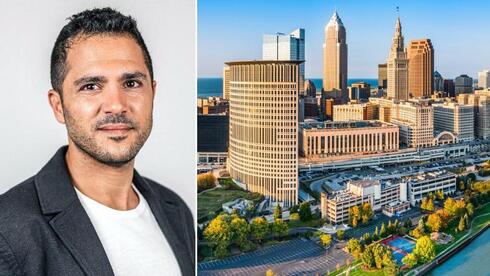
An email carrying grim news landed in the inboxes of dozens of Israeli investors. In the message, Tomer Hay, CEO and controlling shareholder of Israeli real estate investment firm Realco Investments, informed investors that an office building in Ohio, known as Eastpoint, had been sold for $2 million, five years after it was acquired for $17 million.
The building was ultimately acquired by the lending bank that financed the transaction, after no other bidders submitted offers.
According to the investment agreement obtained by Calcalist, 42 investors contributed nearly $7 million in equity, while the remaining approximately $10 million was financed by the lending bank.
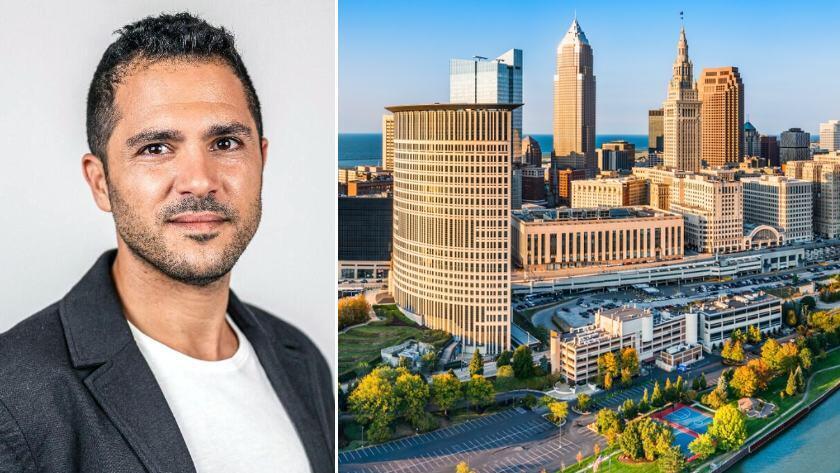
"It is important to note that, apart from us and the bank, there were no other participants and no bids at all, despite extensive marketing efforts through the media, social networks, and investor mailing lists that, according to the bank, reached approximately 25,000 recipients," Hay wrote to investors.
The sale is the latest indication of the financial challenges facing Realco Investments, which until four years ago was among Israel's most prominent marketers of U.S. income-producing real estate investments.
Realco structures its deals through investment partnerships, making them securities offerings regulated by the Israel Securities Authority (ISA). Under Israeli law, qualified investors, generally those with financial assets exceeding NIS 8 million, are not entitled to the same investor protections as retail investors because they are deemed sufficiently sophisticated to invest without a prospectus.
In 2022, the ISA sanctioned Realco after determining that the company had offered investments to more non-qualified investors than permitted under Israeli securities law.
The first public signs of trouble emerged in July 2025, when investors told Calcalist that Hay had approached them seeking additional capital injections into several properties to prevent lenders from taking control of the assets.
According to investors involved in multiple Realco projects, investment groups representing assets worth roughly $150 million have since been formed. Some are represented by attorney Ido Kosover, as investors seek greater influence over assets despite partnership agreements that grant them no management rights.
Kosover has become one of Israel's best-known commercial litigators in recent years, having previously represented investors affected by the collapse of financial agency Neto Finance, which managed approximately NIS 30 billion before collapsing under debts exceeding NIS 100 million.
In correspondence sent on behalf of investors, Kosover alleged management irregularities and excessive fees that harmed investors' interests.
Meanwhile, Calcalist has learned of at least three additional Realco properties facing financial difficulties, representing investments totaling roughly $10 million. Investors have commissioned an independent review from Alefy, a company specializing in U.S. real estate analysis.
A senior figure familiar with Realco's operations said several transactions now require additional capital injections under their financing agreements.
"These requirements are consistent with the investment agreements," the source said. "Investors agreed that under certain circumstances they could be required to contribute capital beyond their initial investment. Rising U.S. interest rates have made many transactions significantly more challenging, and once additional funding became necessary, many investors chose to organize together."
Another senior executive familiar with Realco's operations said the company had been hit by nearly every major risk facing U.S. commercial real estate.
"No one expected interest rates to remain this high for so long," the executive said. "Loans originally taken out at around 3.5% now have to be refinanced at around 7%, fundamentally changing the economics of these investments."
The office market has also struggled to recover from the pandemic, with occupancy rates remaining below pre-COVID levels. According to the executive, the rapid adoption of artificial intelligence is also expected to reduce long-term office demand.
"Incorporating additional investors may actually have complicated some investments," the executive added. "These market conditions require significant adjustments, even for assets that are fundamentally sound."
A senior executive in Israel's real estate industry said some losses are inevitable for companies managing dozens of investments.
"It's similar to the stock market," the executive said. "There are good years and bad years. Realco has more than 25 investments, so it isn't surprising that some will generate losses, even substantial ones. There have also been successful exits. The company grew rapidly between 2021 and 2023, but market conditions changed dramatically."
The same executive suggested the company's rapid expansion may also have exposed operational weaknesses.
"It seems the company wasn't fully prepared for the pace of its own growth," the executive said. "Management had to evolve as the portfolio expanded."
According to industry estimates, assets with confirmed losses currently total approximately $30 million, although investors in several projects have reportedly recovered only 20% to 30% of their invested capital.
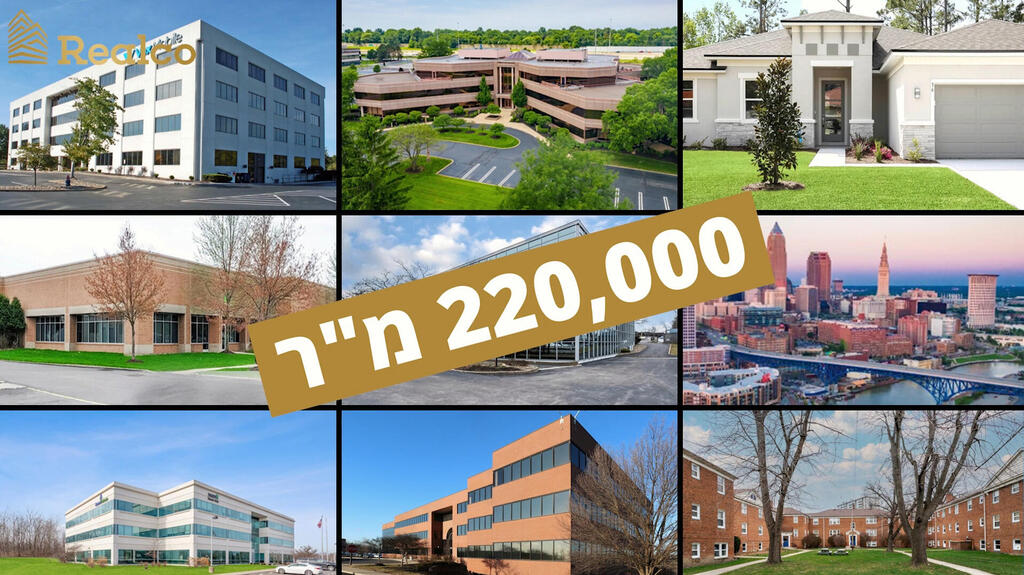
Founded in 2016 by Guy Raguan and Tomer Hay, Realco markets investments in U.S. income-producing real estate to qualified Israeli investors.
The company pools investor capital through limited partnerships before securing bank financing to acquire properties, primarily office buildings. Rental income is intended to cover financing costs while investors benefit from future appreciation and cash flow.
Realco's strongest years came between 2021 and 2023, when, according to company publications, it attracted roughly 1,000 investors and accumulated assets valued at approximately NIS 3 billion.
The company also signed advertising campaigns featuring television personality Gadi Sukenik, who, according to previous reports, invested in some of the projects himself. In 2024, Realco signed a two-year sponsorship agreement with Maccabi Tel Aviv Football Club, placing its branding across the club's advertising platforms.
However, 2024 appears to have been the last year in which the company actively marketed new investments. Today, its website is inactive, and the Companies Registrar lists the company as non-compliant and restricted.
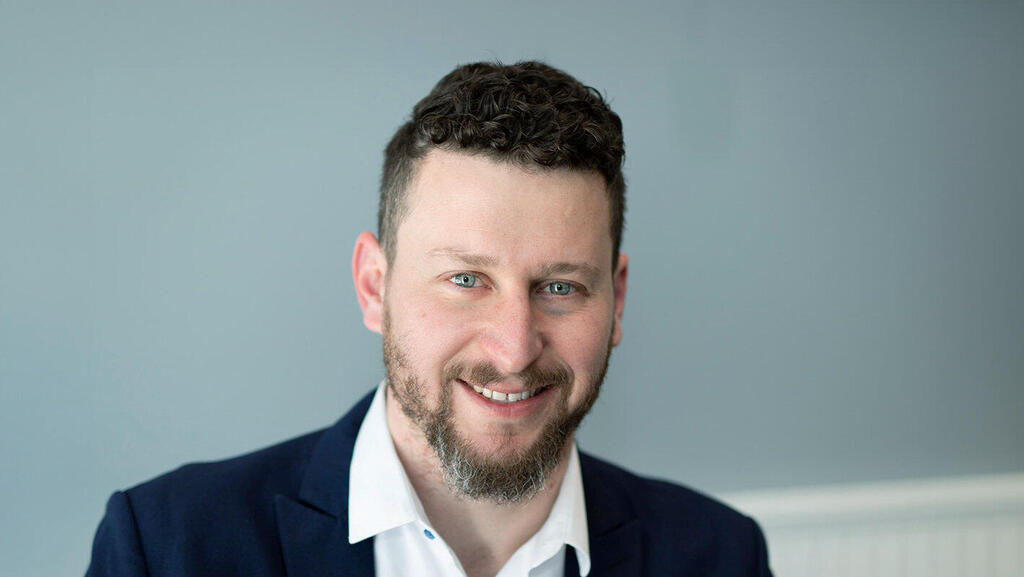
Sukenik told Calcalist that his relationship with Realco ended years ago.
"I served only as a presenter through an advertising agency and had no management role in the company," he said. "The reports about the company's current difficulties are both surprising and saddening, particularly because part of my compensation was invested in the company."
In a statement, Realco said that each investment project operates independently, with its own financing structure, investors, and financial performance.
"We maintain direct and transparent communication with investors," the company said. "Recent increases in interest rates and changes in the U.S. real estate market have affected projects acquired under very different market conditions. We recommend that investors avoid unnecessary legal proceedings that only increase costs."



