










Arrow maker IAI says IPO is "closer than ever" as defense boom pushes backlog to $35 billion
Israel's largest defense company is emerging as the test case for the government's plan to bring state-owned defense companies to the market, but investors expect political delays to push major offerings into 2027.
Israel Aerospace Industries is moving closer to a long-planned initial public offering as the state-owned defense company rides an unprecedented wave of demand, but the political timetable surrounding Israel's broader defense privatization push means investors are unlikely to see the company on the stock market before 2027.
“The company's IPO is closer than ever,” IAI chairman Boaz Levy told Calcalist after the company reported record results for the second quarter and first half of 2026. Levy said a listing would provide capital to invest in infrastructure and production lines while allowing the public to participate in the company's growth.
The comments offer the clearest indication yet that the government is continuing to prepare IAI for a partial flotation, even as market participants remain skeptical that the process can move significantly before Israel's October 27 election and the formation of a new government.
IAI is the most advanced of the three state-owned defense companies that the Government Companies Authority wants to bring to the stock market. The Authority has also identified Rafael and Tomer as potential candidates, with Authority director general Roi Kahlon saying last month that Tomer could go public within two to three years.
Yet bankers and other market participants believe that the broader defense IPO agenda is unlikely to produce a significant transaction before 2027. The election is expected to be followed by coalition negotiations and the formation of a new government, making it difficult to advance major privatization decisions in the meantime.
IAI is in a different position from Rafael and Tomer. The company already has publicly traded bonds, publishes financial statements and benefits from a 2020 government decision approving the sale of a minority stake. Officials have made progress on preparing the company for a listing, although bankers say the process is unlikely to accelerate materially until a new government is in place.
The timing matters because IAI is entering the public markets from a position of considerable strength.
Its order backlog reached a record $35 billion at the end of the second quarter, an increase of approximately $6 billion since the beginning of the year. Sales rose 35% year over year to $2.18 billion, while net profit increased almost 47% to NIS 229 million.
IAI said the second quarter and first half of 2026 were the most profitable in the company's history.
The defense boom has been driven by demand across multiple markets. IAI is supplying systems to Israel's defense establishment during the continuing regional war, including Arrow interceptor missiles and unmanned aerial vehicles, while international demand has also increased amid the war in Ukraine and a broader European arms buildup.
The Israeli market generated $724 million of IAI's second-quarter revenue, or 35% of the total. Asia accounted for $680 million, Europe for $470 million and North America for $260 million.
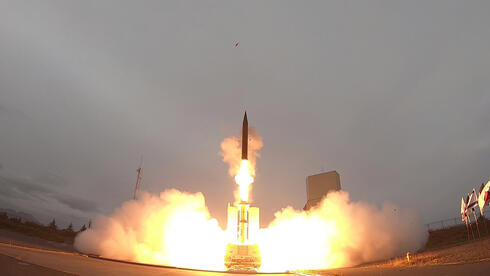
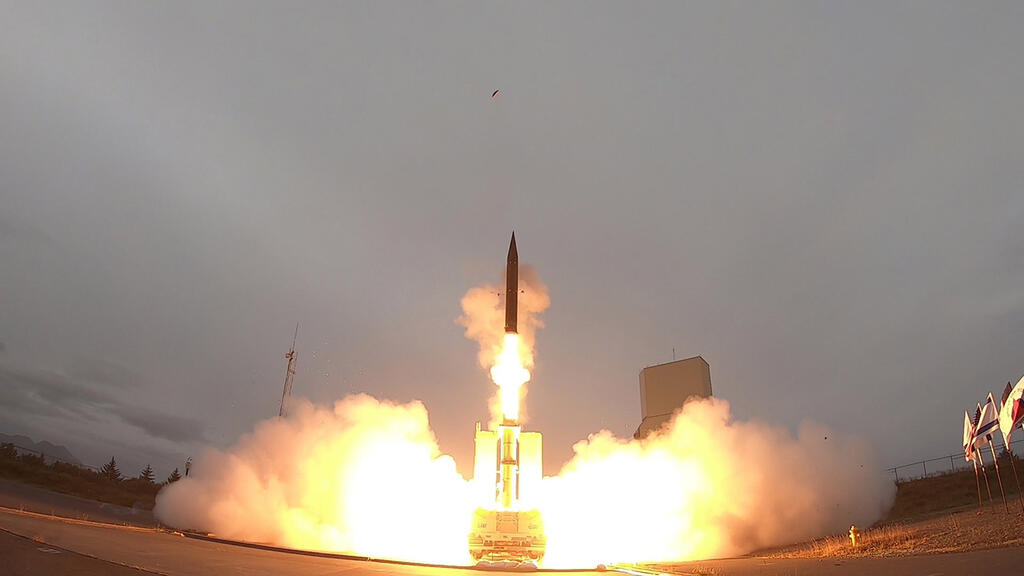
Last week, IAI successfully completed a significant test of its Arrow missile defense system in cooperation with the defense establishment and the IDF, testing improvements to its performance.
The scale of the backlog also provides the strongest argument for Levy's contention that an IPO could help the company expand.
“IAI's IPO is closer than ever and will allow for investment in building infrastructure and production lines and will contribute to strengthening security and the economy so that every citizen can be part of its success,” Levy said.
The need for investment is becoming more pressing. Despite its record sales and backlog, IAI's cash flow deteriorated sharply during the second quarter as the Ministry of Defense struggled to pay its bills.
IAI recorded negative cash flow of $795 million in the quarter, compared with positive cash flow of $170 million in the corresponding quarter of 2025. The Ministry of Defense owes IAI more than NIS 5 billion, while its total debt to IAI, Rafael and Elbit Systems is estimated at NIS 15.5 billion.
Levy said the company remains confident that the debt will ultimately be paid.
“This incident weighs heavily on us, but on the other hand, the Ministry of Defense is the most reliable customer of Israel Aerospace Industries and we have no doubt that it will pay its debt, since the state does not deny it,” he said.
The cash-flow problem adds another dimension to the IPO discussion. IAI has an enormous volume of contracted business, but converting that backlog into revenue requires investment in factories, production lines and research and development, making access to capital increasingly relevant.



