










BiblioTech
CTech's Book Review: The technologies that will change the world
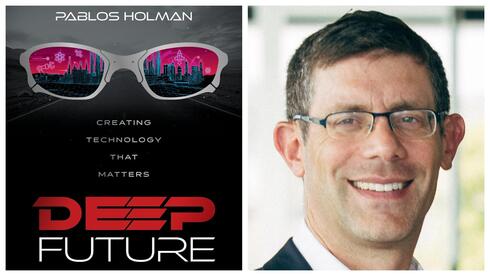
Ben Wiener, Managing Partner at Jumpspeed Ventures, shares insights after reading “Deep Future” by Pablos Holman.
Ben Wiener is the Managing Partner at Jumpspeed Ventures, a Jerusalem-based venture capital fund. He has joined CTech to share a review of “Deep Future" by Pablos Holman.
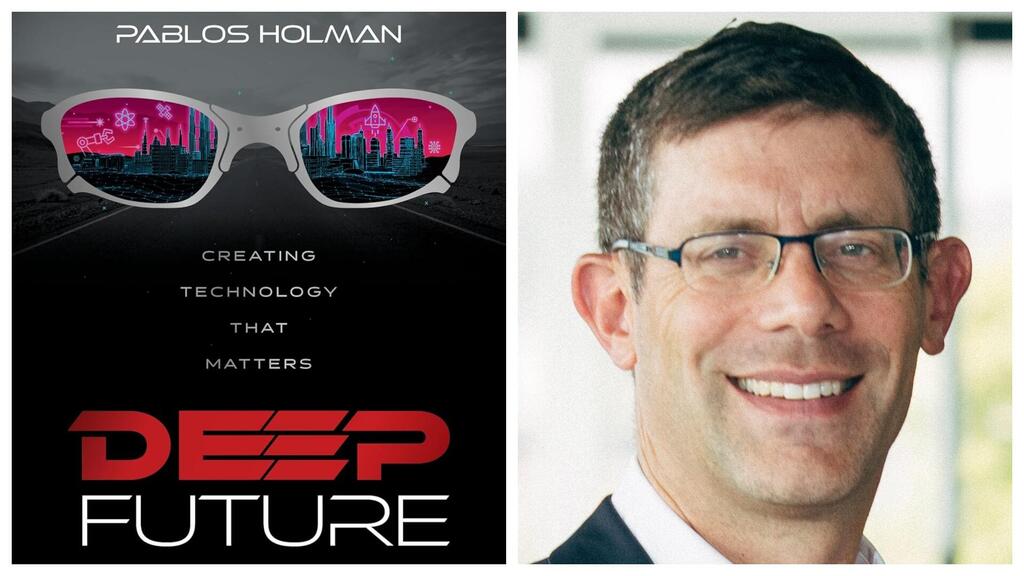
Title: Deep Future
Author: Pablos Holman
Format: Audiobook
Where: Home
Summary:
This is a deeply insightful book about the technologies that will change the world, and a call to those who will invent them. Pablos Holman, a hacker, entrepreneur, investor and "deep" thinker about the future of technology, sprinkles zillions of zingers and humorous one-liners among a plethora of very serious and important insights.
Important Themes:
Holman has been an unabashed hacker since his early youth, which has exposed him to the world’s edgiest and most transformative Deep Tech innovations, many of which he has been personally involved in developing.
Some of the big themes Pablos advances in the book:
He describes himself as a "possibilist" rather than an "optimist" or "pessimist." He believes almost religiously in the potential of Deep Tech to transform the world, though he recognizes that the human race is absolutely capable of screwing this up.
Holman draws a sharp distinction between "shallow tech" (like consumer software apps) and "deep tech" (world-changing technologies like nuclear energy, autonomous shipping and robotics). From the title of his book, you can tell which one he feels more strongly about. But he does a great job of going into very exquisite detail about some of the world's largest physical industries and how they can, and must, be disrupted by advanced technologies.
Pablos launches into a fun soliloquy on Israel as the only close rival to Silicon Valley, in terms of entrepreneurial culture, creative innovation, and ecosystem, that will be at the same time familiar but also a source of pride to any Israeli entrepreneur.
What I’ve Learned:
With equal parts wit and wisdom, Pablos educates readers about the impact of inventions on our daily lives and our very existence, and scolds us for not recognizing and being grateful for the role that invented technologies have had on society. He traces the chain of invention that has led to the health and prosperity from which we benefit today, and commands us to continue to pursue Deep Tech innovations so that we can accelerate rather than derail this evolutionary process.
Holman focuses on massively inefficient, costly and energy-consuming industries, such as shipping, fashion, and construction, providing data-driven arguments for the transformative impact new technologies and inventions could have on these industries.
Among many examples, one industry Holman highlights is the fashion industry and its hidden environmental crisis. One third of 1.5 billion garments produced annually are never worn, with the industry producing more CO2 than aviation and shipping combined. He believes that robotic manufacturing could remove the energy cost of shipping raw materials halfway around the world simply to leverage lower employment costs, and manufacturing-on-demand could reduce the massive waste of unpopular fashions that are over-manufactured and go straight to landfill. Chapter after chapter, Holman dissects industry after industry, exposing its inefficiencies and massive negative externalities and advocating for new technologies, providing specific examples that could turn these industries, and the world, around.
Who Should Read This Book:
Anyone with an entrepreneurial spirit and a desire to impact the world should read this book and consider its message. Those already active in or investing in Deep Tech will find it a source of further inspiration.



