











Defense Ministry joins opposition to Zim's $4.2 billion sale to Hapag-Lloyd
Security officials warn the proposed deal could weaken Israel's control over strategic shipping routes during future conflicts.
The Israeli government's opposition to the proposed sale of Israeli shipping company Zim to Germany's Hapag-Lloyd is widening. The Defense Ministry formally joined the list of opponents on Sunday after its objections to the deal, in its current form, were presented during a government meeting.
The ministry's concerns center on the future role of "Zim Israel," which is supposed to continue operating as a separate entity after the merger of Zim's international operations with Hapag-Lloyd. Defense officials fear that the Israeli unit would be largely confined to Mediterranean routes, significantly reducing its services to the United States and creating uncertainty over whether it would continue operating shipping lines to the Far East.
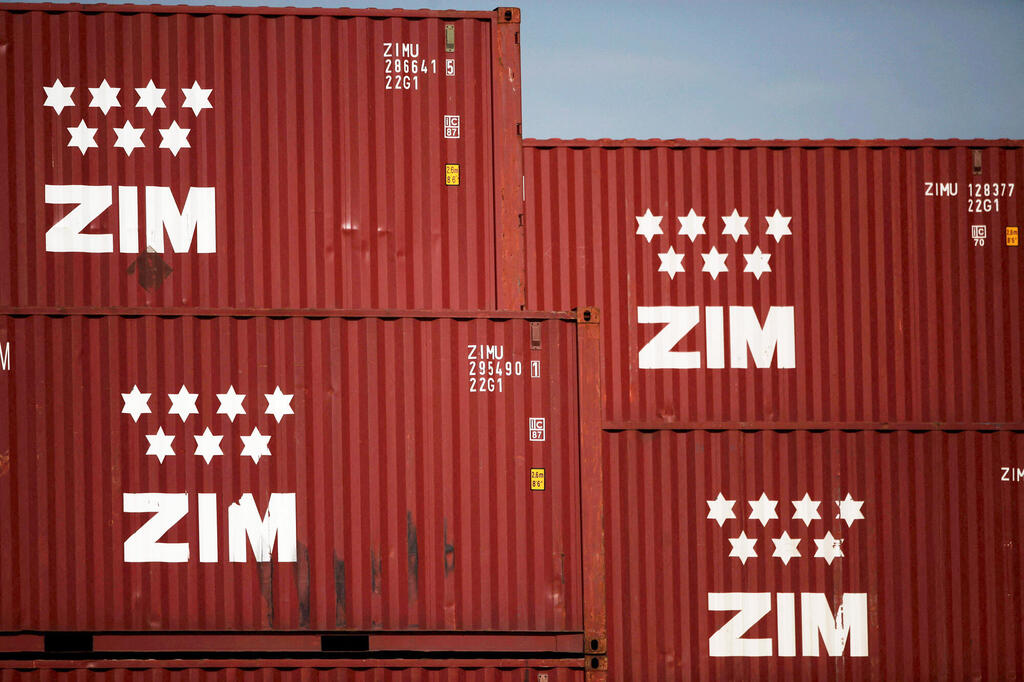
Maintaining direct maritime routes to both the U.S. and Asia is considered strategically important by Israel's defense establishment, which relies on them for the import of military equipment and other critical supplies during times of conflict.
Responding to questions during the meeting, Prime Minister Benjamin Netanyahu said that the sale of Zim to the German shipping giant is currently not on the government's agenda. Defense Minister Israel Katz confirmed that his ministry opposes the deal and noted that the government retains a golden share in Zim, allowing it to intervene in the company's operations when national security requires.
Over recent months, the Defense Ministry has been examining the proposed transaction, estimated to be worth approximately $4.2 billion, to assess its implications for Israel's maritime independence. The review comes against the backdrop of growing international boycotts, sanctions and trade restrictions imposed by several countries in response to the war in Gaza.
Another source of concern is Hapag-Lloyd's shareholder structure. Defense officials note that investors from Qatar and Saudi Arabia are among the company's shareholders. Officials fear that, during a future military conflict, Israel's access to vital maritime trade routes could become vulnerable to political pressure from governments with strained relations with Jerusalem.
The review was conducted by the Defense Ministry Director of Security, whose recommendations were subsequently adopted by the ministry.
In a statement, the Defense Ministry said: "The Defense Minister has adopted the position of the ministry and its professional bodies, according to which the proposed sale of Zןצ does not adequately safeguard the security interests of the State of Israel."
The Defense Ministry's opposition adds to objections already raised by the Agriculture, Economy and Transportation ministries, as well as Israel's Shipping Authority. Those agencies have warned that the transaction could undermine Israel's maritime transportation capabilities and threaten the country's supply chains, given that roughly 90% of Israel's imports arrive by sea.



