










Opinion
Every student deserves a personal tutor, inside the classroom, too.
"AI agents can deliver personalized tutoring in a classroom of thirty," writes Batsheva Moshe, GM Israel and EMEA Tech at Kaltura, "giving teachers back the time for true education and human connection."
Israel’s tech ecosystem is recognized globally as a powerhouse of innovation. Yet its classrooms still rely on a model familiar around the world: one uniform curriculum, taught at a single pace, to dozens of students at once. Even the most dedicated, passionate teacher cannot divide a 45-minute lesson to give each child the individual support they need. Artificial intelligence offers an unprecedented opportunity to break that bottleneck, and education systems must seize it to finally adapt learning to the child, rather than forcing the child into a mold.
Over two decades of working at the intersection of education, technology, and social impact, I have seen this challenge from every vantage point. When I led Unistream, an Israeli nonprofit helping youth from underserved communities enter the high-tech sector by building startups, we learned early on that personalization is the single most critical factor for success. Delivering standardized material is never enough, and neither is generic hands-on practice. Every participant requires a tailored journey that meets them at their specific level of understanding, connects with their genuine passions, and supports their career path into tech.
As a board member at Ofanim, which brings science and technology education to elementary and middle school students in peripheral communities, I see the same constraint. Even with exceptional instructors and substantial philanthropic investment, reach is limited when teaching methods cannot adapt to each child’s understanding and attention in real time. No educational institution can afford a human tutor for every desk. AI makes it possible to extend personal support to every student.
Over the past year, alongside AI researchers, education specialists and our engineering teams at Kaltura, we have focused on combining adaptive educational content with interactive AI agents. These agents can sustain a conversation and adapt explanations and practice as a student’s understanding develops. The content can change with the student’s pace, interests and preferred way of learning, while remaining aligned with the curriculum. Consider a student who can repeat a rule for comparing fractions but cannot explain why one-third is larger than one-quarter. An AI tutor can ask for the reasoning, show a visual comparison and pose a new question to check understanding before moving on.
A patient AI tutor can be available at any hour. A student can ask again without fear of peer judgment, or return to a difficult point after school and receive feedback as they work. With that support, a child can feel seen, with their curiosity acknowledged, their struggles addressed and their strengths encouraged.
In an overburdened classroom, even outstanding educators struggle to provide individual attention. AI agents give teachers a real-time picture of where each student encountered difficulty, who needs additional support and who is ready to move ahead. By taking on routine explanation, practice and grading, AI frees teachers to focus on what no algorithm will ever replicate: 1:1 mentorship, values, empathy and inspiring leadership. These are the very reasons educators entered the profession, yet other demands on their time constantly crowd them out.
The test is what students can explain and do independently, and whether teachers can act on the needs they see. Counting completed AI sessions tells us little about either.
A forward-looking economy cannot afford to funnel massive resources into physical infrastructure and static software while leaving pedagogical models in the past. To sustain global competitiveness and nurture the next generation of human capital, we must integrate tools that tailor education to the student. The technology is no longer hypothetical: it is here. Providing personalized learning support for every child is not a distant vision. It is vital national infrastructure for economic and social growth.
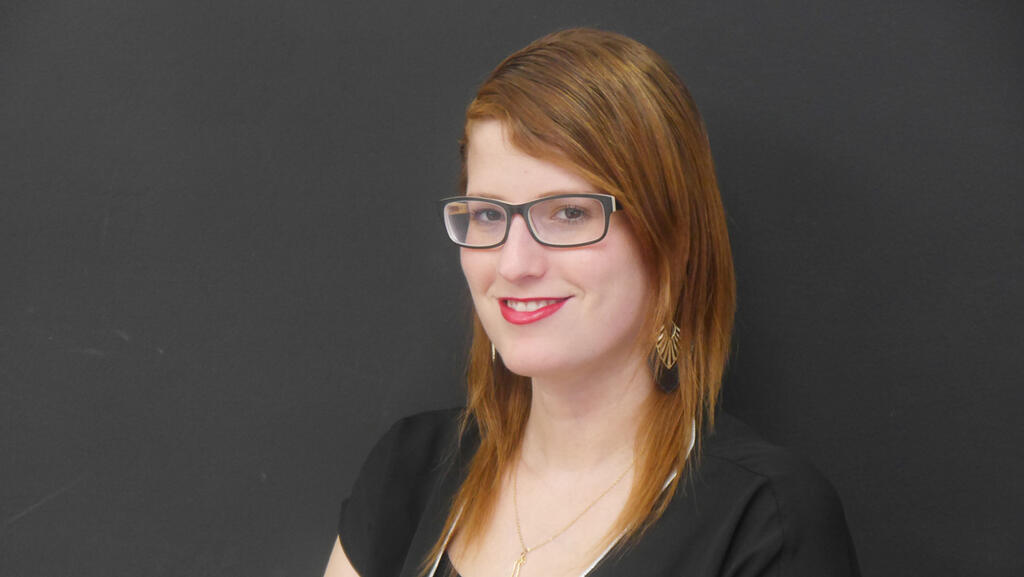
Batsheva Moshe is GM Israel and EMEA Tech at Kaltura, a board member at Ofanim and MadaTech, and formerly CEO of Unistream.



