










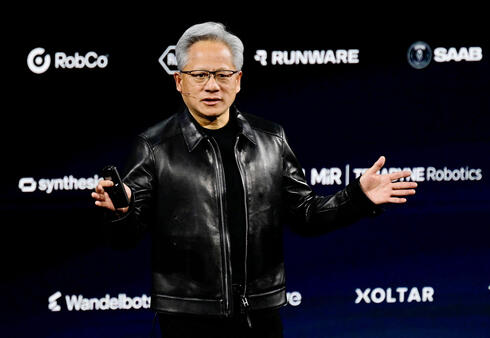
Jensen Huang is back: Nvidia reverses decision after rejecting his return just days ago
The company's board had said it would not reinstate its longtime leader, but mounting pressure from employees, shareholders, business partners and Donald Trump prompted an abrupt change of course.
Nvidia has reinstated co-founder Jensen Huang as CEO, reversing its decision to remove him less than two weeks ago following revelations about his personal relationships, including an alleged affair with a Chinese businesswoman suspected by U.S. authorities of having ties to Chinese intelligence. The decision follows mounting pressure from employees, investors, business partners and U.S. President Donald Trump, who publicly campaigned for Huang's return.
The company said Monday that Huang's reinstatement takes effect immediately. Nvidia shares surged more than 31% in premarket trading following the announcement, reflecting investors' relief at the return of the executive who built the company into the world's dominant supplier of artificial intelligence processors.
The decision marks an extraordinary reversal by Nvidia's board. On November 17, Chairman Harvey Jones said the board had unanimously accepted Huang's resignation and did not intend to reinstate him. The company had appointed longtime Chief Financial Officer Colette Kress as interim CEO and begun searching for a permanent replacement.
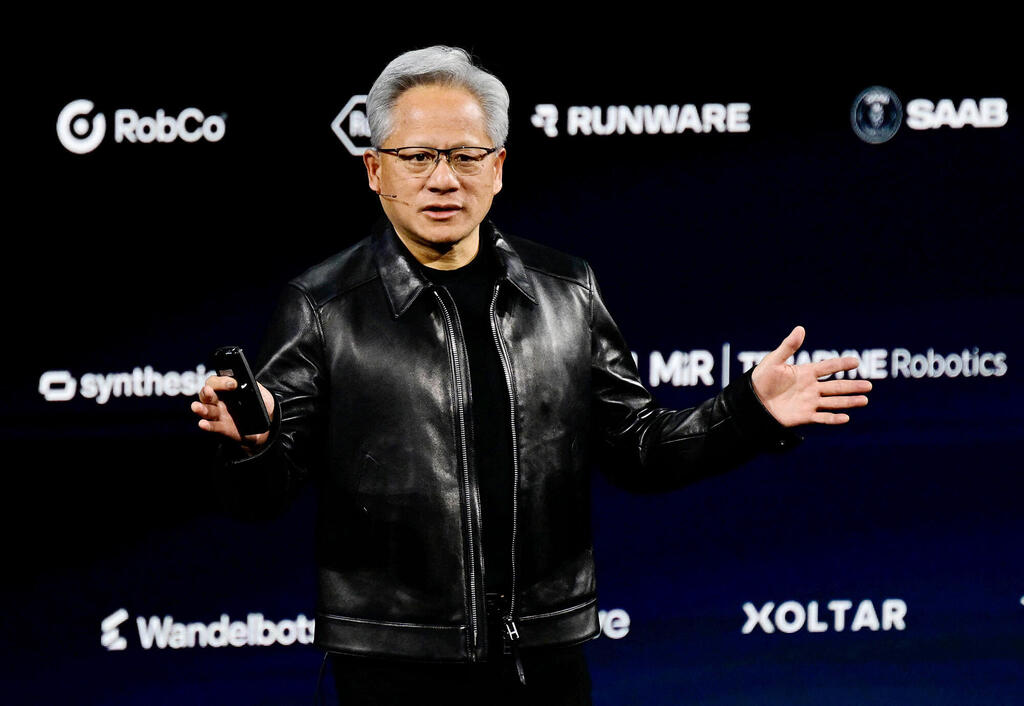
Just days later, however, the pressure for Huang's return intensified. Trump repeatedly expressed support for the Nvidia founder, arguing that the company should take him back. A public petition calling for his reinstatement attracted more than 180,000 signatures, including support from Elon Musk, while employees, shareholders and business partners also urged the board to reconsider.
According to Nvidia, the board is now satisfied with Huang's candor and leadership abilities. It also said that, after receiving input from senior U.S. government officials, it concluded that his return would pose no national security risk. Colette Kress will remain CFO, the company said.
Huang resigned on November 12 after revelations of extramarital relationships, including one involving Chinese businesswoman Alice Huang, whom U.S. authorities suspect of having connections to Chinese intelligence. Beijing has denied the espionage allegations. The controversy also involved reports of another relationship with a senior Nvidia employee who reportedly worked under Huang, raising questions about his conduct and the company's internal governance.
In his first public statement following his departure, Huang acknowledged making serious mistakes in his personal life and apologized for creating problems for the board. He also said he would be willing to return if directors concluded that his reinstatement was in the company's best interests. At the time, however, the board appeared determined to move on without him.
Related articles:
Huang's return comes after more than three decades at the helm of Nvidia, which he co-founded in 1993. Under his leadership, the company evolved from a designer of graphics processors for video games into the central supplier of chips powering the global AI industry. His influence extends beyond product development to major customer relationships, strategic investments in AI infrastructure companies and Nvidia's ties with Washington.
The reversal also carries implications for Nvidia's substantial operations in Israel. The company employs approximately 6,200 people in the country, which has become one of its most important research and development centers outside the United States. Its Israeli teams play a central role in networking technology and other core products, much of which came through Nvidia's $6.9 billion acquisition of Mellanox in 2019. Huang was also a driving force behind the company's planned multibillion-shekel campus in Kiryat Tivon, which could eventually accommodate thousands of additional employees.
The leadership crisis had raised questions about whether Nvidia would maintain the same level of commitment to its Israeli operations and expansion plans under a new CEO. Huang's reinstatement removes that immediate uncertainty, although the company will still have to address the governance and national security questions that led to his departure in the first place.
The decision also comes at a sensitive moment for Nvidia's business. The company reported third-quarter fiscal 2027 revenue of $115.8 billion, up 103% from a year earlier, and forecast revenue of approximately $130 billion for the current quarter. Its results demonstrated that demand for AI processors remains exceptionally strong even as the company faced its most serious leadership crisis in decades.
The board's decision to bring Huang back highlights the extraordinary influence he continues to wield over Nvidia, but also raises a broader question for investors: how much of the company's value and future success remains tied to a single executive.



