










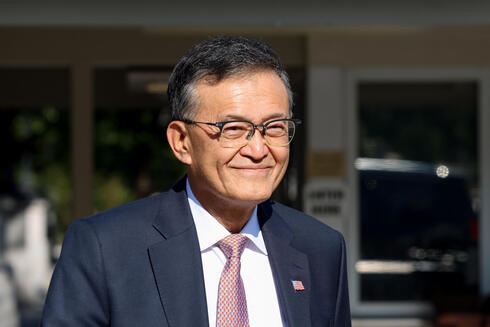
Intel CEO Lip-Bu Tan says company will stay involved in Musk’s Terafab as TSMC talks emerge
Intel will remain involved in Elon Musk’s ambitious chipmaking project, even as the Tesla and SpaceX CEO confirms discussions with Taiwan’s TSMC over a potential role, raising questions about how Terafab’s manufacturing strategy will ultimately take shape.
Intel will continue working with Elon Musk on his ambitious Terafab chipmaking project, according to CEO Lip-Bu Tan, even as Musk explores a possible role for Taiwan Semiconductor Manufacturing Co., raising questions about how the planned semiconductor complex will ultimately be built and who will manufacture its chips.
Tan told Bloomberg that the company will remain involved in Terafab ahead of an event in Tokyo marking Intel’s 50th year of operations in Japan. Intel and Tesla did not immediately respond to requests for comment.
The clarification comes days after Musk indicated that he was discussing potential cooperation between Terafab and TSMC, the world's largest contract chipmaker. Responding on X to a screenshot of an article titled “TSMC Exploring Plans to Work With Elon Musk's TeraFab,” Musk wrote on Saturday: “Just discussions, but something may come of it.”
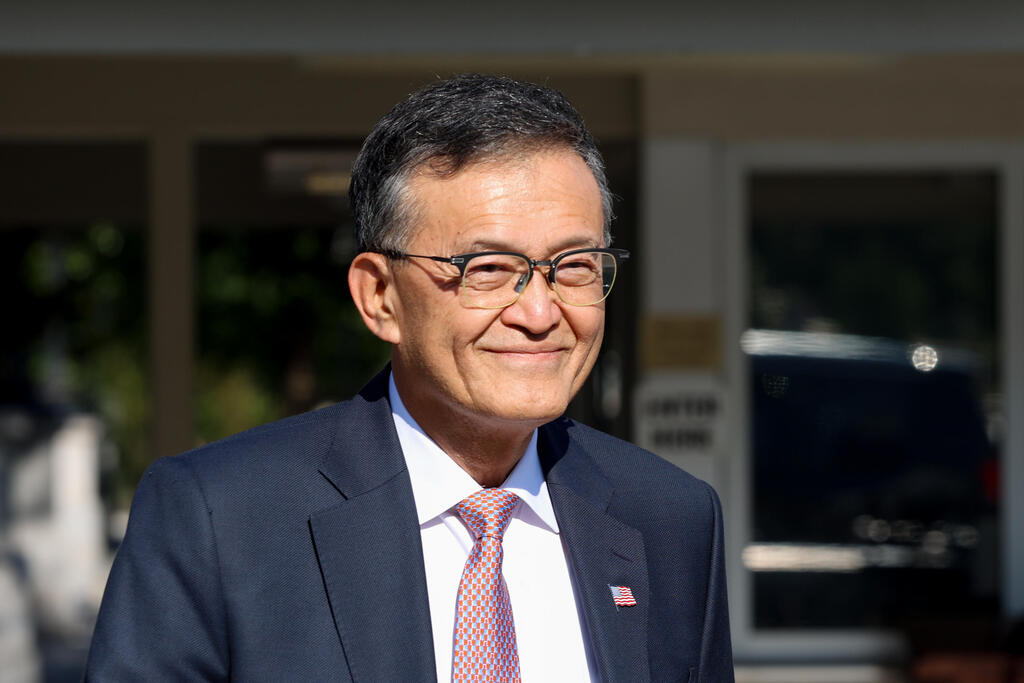
The two developments suggest that Musk has not settled on a single manufacturing partner for Terafab. Intel remains involved, but TSMC is now also being discussed as a possible participant in a project that is intended to take on much more of the chip production process than a conventional customer-supplier relationship.
That matters particularly for Intel. When the company joined Terafab in April, the partnership represented an important opportunity for Tan to demonstrate that Intel's manufacturing technology could attract one of the world's most ambitious technology projects.
Intel said at the time that its capabilities would help Terafab pursue its goal of producing 1 terawatt of compute annually for future AI and robotics applications. Musk has said the project will be built on the Tesla campus in Austin, Texas, with plans for two advanced chip factories, one aimed at chips for vehicles and humanoid robots and another for AI data centers in space.
The project is also closely tied to Musk's desire to reduce his companies' dependence on outside chip suppliers. In April, it was reported that SpaceX was considering manufacturing its own GPUs as part of a broader push to address chip supply and costs. SpaceX told investors that it did not have long-term contracts with many of its direct chip suppliers and warned that there was no guarantee Terafab would achieve its objectives within the expected time frame, or at all.
That ambition makes the choice of manufacturing partners particularly consequential.
TSMC has spent decades building expertise in producing advanced processors at enormous scale, while Intel is attempting to rebuild its own manufacturing business and turn Intel Foundry into a significant contract manufacturing operation. Intel's foundry business had recorded a $10.32 billion operating loss in 2025, even as revenue increased 3%. The company has been betting heavily on its next-generation manufacturing technology as part of a broader turnaround under Tan.



