










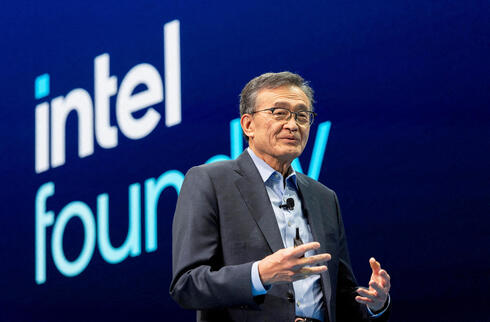
Intel CEO says he uses AI agents every day to cut hours of research to minutes
Lip-Bu Tan described how he is already using agents to research technologies outside his expertise and prepare for speeches.
Intel CEO Lip-Bu Tan has been one of the technology industry's early believers in artificial intelligence. But in a recently recorded podcast interview, he offered a more personal view of where the technology is heading, describing how he is already using AI agents in his daily work and suggesting that they could change the way people interact with computers.
“I use a lot of agents every day,” Tan said in the interview with QuantumJane.
He said he uses AI agents for research, preparing speeches and other tasks, and that they have changed the amount of time he needs to spend understanding unfamiliar subjects.
“When I want to understand something, instead of spending two days, I can use the agents to understand in five minutes,” he said.
Tan explained that is particularly relevant because much of his work involves learning about technologies outside his immediate area of expertise. He said he also uses Claude to learn about quantum computing and other emerging technologies.
“It’s still a very new area,” he said of quantum computing. “I use Claude to understand and explain to me.”
The comments offer a glimpse into how Intel's CEO is using the technology himself at a time when investors are increasingly focused on the potential of AI agents.
Intel shares have risen 37.5% over the past month, pushing the company's market value to $650 billion and nearer the levels reached during its June rally. The move has coincided with renewed investor interest in the potential for AI agents to create demand for additional computing capacity.
But Tan's comments suggest he sees agents as more than another category of AI software.
He described a shift from today's foundation models toward inference and then agentic AI, in which systems can carry out sequences of tasks rather than simply respond to individual prompts.
Tan has been an AI investor since before the current boom. He said in the interview that he believed AI would ultimately be bigger than the internet, and that his investments have spanned semiconductor companies, AI software, frontier models and predictive applications.
But he also described a more cautious approach to new technologies. Tan said he often invests his own money in technologies that are still too early or uncertain for his venture fund. Once a technology begins to show a clear commercial application, he can then consider investing through the fund.



