










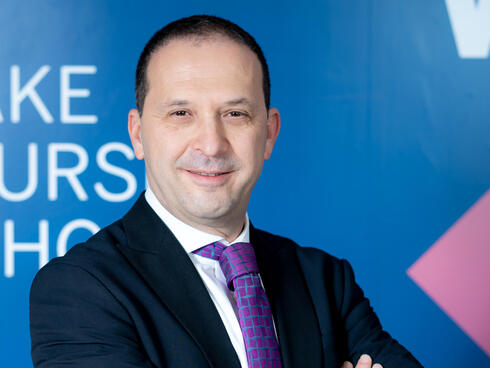
“Health tech is nowhere near the ‘bottom of the well’ - we are just moving from hype to value”
After a sharp contraction in 2025, healthtech is entering an efficiency cycle where funding decisions are driven less by long-term promise and more by demonstrable, near-term return on investment.
Israeli healthtech recorded the highest number of deals of any sector in 2025, surpassing both cyber and enterprise software; but that activity masked a significant slowdown, as total funding fell by 25 percent, and deal volume declined by 33 percent.
Experts believe that tighter diligence and a higher bar for commercial traction have replaced the growth-at-all-costs mindset that defined healthtech during earlier cycles. Investors are still active, but the terms of engagement have changed.
According to Shlomi Kofman, the Israel Innovation Authority’s VP & head of international collaborations division, Israel’s healthtech ecosystem retains structural advantages that continue to attract attention, even in a more cautious market. He points to the country’s unusually high density of medical innovation centers and healthcare technology companies, which together enable the creation of companies that push the healthtech envelope.
“The ability to collect and analyze data and build a new generation of companies is very significant,” he said.
2 View gallery
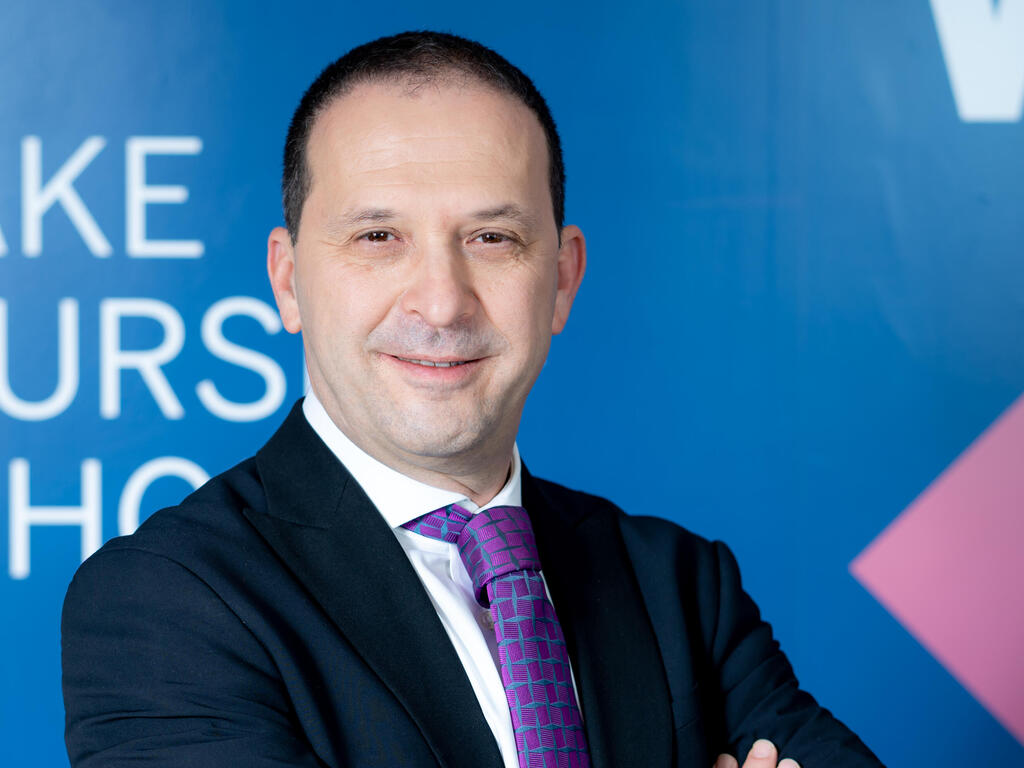
Shlomi Kofman, the Israel Innovation Authority’s VP & head of international collaborations division.
(Photo: Hannah Teib/IIA)
Part of the interest in the Israeli healthtech sector is fueled by global cooperation with international medical centers. Additional projects, such as the Horizon Europe funding program, create a tighter network of healthcare companies and professionals which benefits Israel in the long run.
Kofman believes that these cooperation initiatives prevent Israel from being confined to a strictly local market, as they “open the door for pilot projects for Israeli healthtech companies globally.”
Recent outreach has reinforced that view. During a visit to Silicon Valley, IIA officials met with investors and strategic players who, according to Shlomi, continue to show strong interest in Israeli healthtech, even as overall deployment has slowed.
Still, market participants caution that interest alone is no longer enough. Yariv Lotan, VP of product and data at Startup Nation Central, described the current phase as a reset rather than a downturn.
“We are now in an efficiency cycle. To thrive in 2026, startups must stop selling ‘future potential’ and start selling immediate ROI. Hospitals are financially stressed; cutting costs or administrative burden within the short-term is essential. We may also expect a wave of consolidation,” Lotan said.
2 View gallery
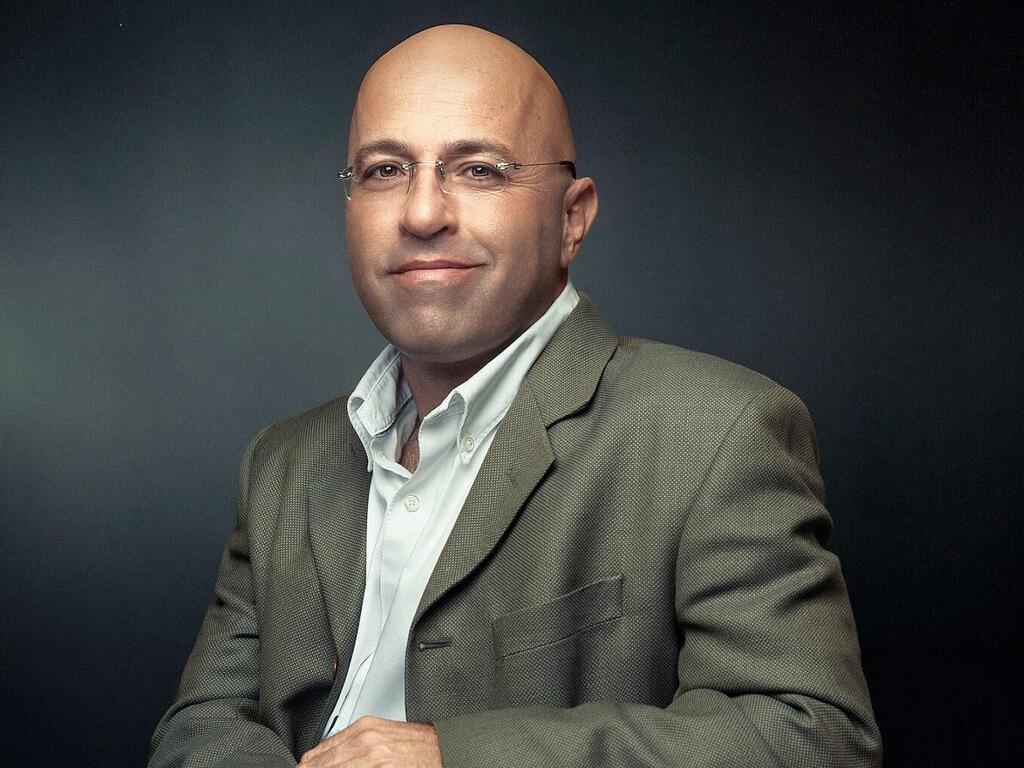
Yariv Lotan, VP of product and data at Startup Nation Central.
(Photo: Miri Davidovitz)
That shift has direct implications for product strategy. Solutions that promise long-term transformation without near-term financial or operational impact are struggling to raise capital, particularly in hospital-facing segments where budgets remain tight.
At the same time, Lotan argues that the slowdown should not be mistaken for a loss of technological potential, particularly in artificial intelligence-driven healthcare.
“The funding dip reflects investor caution, not technological exhaustion. We are nowhere near the ‘bottom of the well’ - we are just moving from hype to value,” he said.
According to Lotan, the next phase of innovation is moving beyond retrospective analytics toward operational systems that actively intervene in care delivery. “The next wave isn’t just analyzing data, it’s ‘Agentic AI’ - systems that actively triage patients and manage workflows,” he said. “The market is vast, but the bar for entry is higher: investors now demand strong unit economics, not just cool algorithms.”
Taken together, the signals from investors, experts, and ecosystem data point to a narrower but more disciplined healthtech market heading into 2026. Capital is still available, but it is increasingly reserved for companies that can demonstrate measurable impact, clear buyers, and credible paths to revenue in the near term.



