










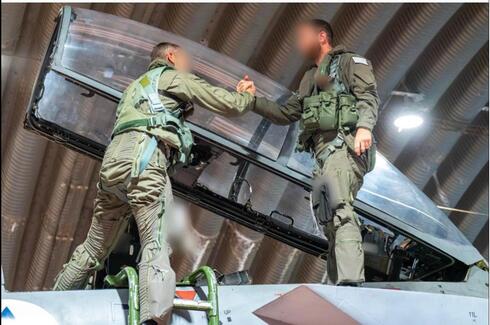
The drug helping Israeli pilots stay sharp on long missions over Iran
The air force turns to Modafinil to maintain focus during extended combat flights.
In the intense and exhausting operations of the ongoing war with Iran, Israeli Air Force pilots are facing unprecedented physical and mental demands. Long-distance missions stretching across vast airspaces require them to remain alert for extended periods under extreme pressure.
To sustain their focus and decision-making abilities throughout these missions, the air force has introduced medical protocols designed to counter fatigue. Among these measures is the use of Modafinil, a wakefulness-promoting medication that helps pilots maintain sharpness and readiness from takeoff to landing.
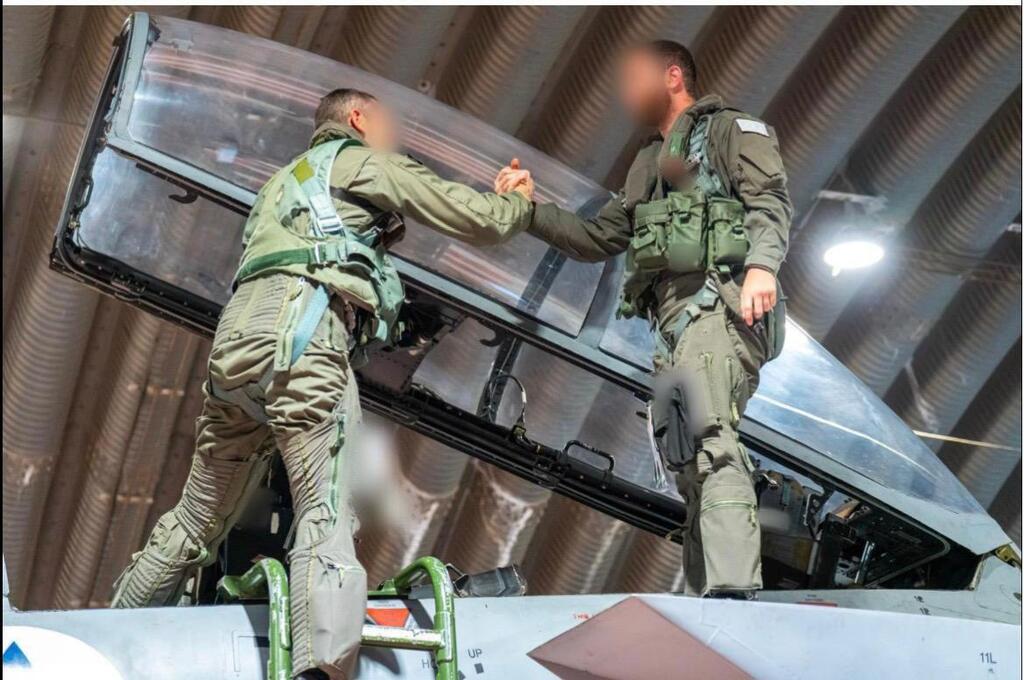
The physiological challenges of long-range aviation are severe. Recent reports in Israeli media have shed light on the medical protocols used by the Israeli Air Force (IAF). According to medical experts, including former IAF physicians, going without sleep for 18 to 24 hours leads to a significant decline in concentration, working memory, and decision-making abilities. This cognitive impairment can be comparable to the effects of moderate alcohol intoxication.
Fatigued pilots are more prone to tunnel vision, focusing on a single instrument while neglecting to scan their broader operational environment. Sleep deprivation can also distort risk assessment, leading pilots to underestimate potential dangers. In extreme cases, pilots may experience “micro-sleep.” involuntary, momentary lapses in consciousness that can be fatal during critical phases of flight.
To mitigate these risks, Western militaries historically relied on amphetamine-based stimulants, commonly known as “go pills.” These were used as early as World War II by British and American pilots. However, traditional amphetamines often produced harsh side effects, including severe nervousness and a sharp physiological crash once the drug wore off.
As a result, many modern air forces have shifted to Modafinil, a medication originally developed in France in the 1970s to treat severe sleep disorders such as narcolepsy and sleep apnea.
In Israel, the drug is marketed under the name Provigil. Modafinil works differently from conventional stimulants or ADHD medications such as Ritalin. Instead of sharply increasing dopamine and noradrenaline levels, it primarily affects the hypothalamus. The drug increases the production of orexin, a neuropeptide that plays a key role in maintaining wakefulness, while also influencing the brain’s histamine system.
Unlike caffeine, which temporarily blocks adenosine receptors associated with sleep, Modafinil actively promotes alertness within the brain. It is typically administered in doses of 100 to 200 milligrams, reaches peak blood concentration within two to four hours, and has a half-life of 12 to 15 hours, allowing a single dose to sustain alertness for much of a full day.
Simulations conducted by the U.S. Air Force have demonstrated the drug’s impact on operational performance. Pilots using Modafinil maintained high accuracy in complex maneuvers, rapid reaction times, and strong decision-making even after up to 40 hours without sleep, performing significantly better than those who received a placebo. Users generally do not report a euphoric high; instead, many describe the sensation as similar to having had a full night’s rest.
Despite its operational benefits, Modafinil presents physiological challenges and potential side effects. Common reactions include elevated blood pressure, increased heart rate, headaches, nausea, dizziness, and anxiety. After missions, pilots may also experience difficulty falling asleep.
Medical professionals also warn that the drug cannot override the body’s fundamental biological needs. While the brain may remain alert, the body still requires sleep for tissue repair and the removal of metabolic toxins. The body’s internal biological clock also continues to induce natural fatigue during certain hours of the day, particularly in the early afternoon, making it difficult to suppress tiredness entirely.
For these reasons, the administration of Modafinil is strictly regulated. It is not distributed for voluntary or independent use. The decision to prescribe the medication is made by military flight surgeons under specific operational circumstances, particularly when adequate pre-mission rest is impossible.
Strict protocols also require pilots to test the drug during ground-based training exercises to ensure they do not experience adverse reactions before they are permitted to use it during actual flights.
Ultimately, medical experts emphasize that Modafinil is not a replacement for sleep, but rather an emergency operational tool, one used in combination with careful mission planning and strategic rest management.



