










Iran’s chain of command shattered as Israeli strikes kill senior security chiefs
Defense minister, IRGC commander and nuclear program leaders reported among dead.
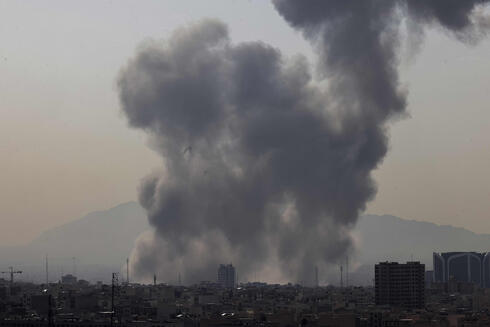
Israel said its opening strikes inside Tehran killed several of Iran’s most senior military and defense officials, targeting a high-level leadership meeting and further dismantling the country’s security command structure.
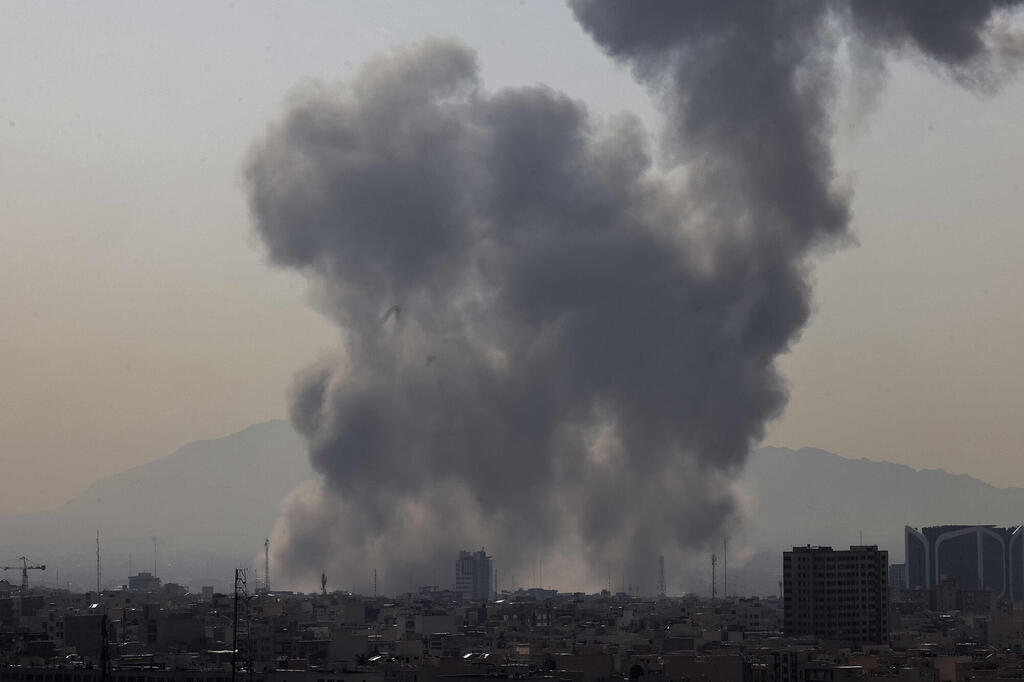
According to the Israeli military, the operation began with a surprise attack after military intelligence identified two locations in Tehran where top figures in Iran’s security establishment had gathered. The strikes, carried out early in the morning, were described as a deliberate attempt to eliminate senior decision-makers responsible for Iran’s military operations and weapons programs.
Among those Israel said were killed was Ali Shamkhani, a veteran commander who previously led Iran’s Revolutionary Guard naval forces and later served as head of the Iranian army. Shamkhani had remained a key figure in Iran’s leadership circle as a senior adviser to Khamenei. Israel said it had attempted to kill him during last June’s war and initially believed he had died at that time.
Also killed was Mohammad Pakpour, identified by Israel as the commander of Iran’s Islamic Revolutionary Guard Corps. The Israeli military said Pakpour oversaw Iran’s missile and drone operations targeting Israel and directed support for Iranian proxy forces across the region. It also said he played a central role in suppressing recent domestic protests.
Another senior casualty was Salah Asadi, who led intelligence operations within Iran’s military emergency command structure and served as a senior intelligence officer on the armed forces’ general staff. Israel said he was involved in strategic planning against Israel.
The strikes also killed Mohammad Shirazi, who had served since 1989 as the head of the supreme leader’s military bureau. In that role, he functioned as a critical intermediary between Iran’s armed forces and the country’s highest political authority, coordinating communication between commanders and the leadership.
Israel said it had also eliminated Aziz Nasirzadeh, Iran’s defense minister and a former air force chief. According to the Israeli military, Nasirzadeh oversaw weapons development, including long-range missile production and transfers of arms to allied groups. He was also linked to supervision of SPND, an Iranian organization Israel said worked on advanced weapons projects.
Two additional figures associated with SPND were also reported killed: Hossein Jabal‑Amelian and Reza Mozafari‑Nia. Israel said both had played key roles in advancing weapons development programs, including efforts tied to nuclear, biological, and chemical capabilities.
The deaths come on top of the killing of Supreme Leader Ali Khamenei, marking an unprecedented dismantling of Iran’s military and defense leadership.



