











TULU adds $17 million to Series A to expand AI-driven product access platform globally
The platform serves 500,000 residents across 60 cities and leverages AI to drive engagement and insights.
TULU, a platform offering on-demand access to household appliances, lifestyle products, and essentials, has completed a $17 million extension to its Series A, co-led by GreenSoil PropTech Ventures, Bosch Ventures, and New Era Capital Partners. Other existing investors, including Regeneration.VC, Good Company, Aviv Growth Ventures, and i3 Partners, also participated, taking the Series A, which was first announced in April 2022, to $37 million.
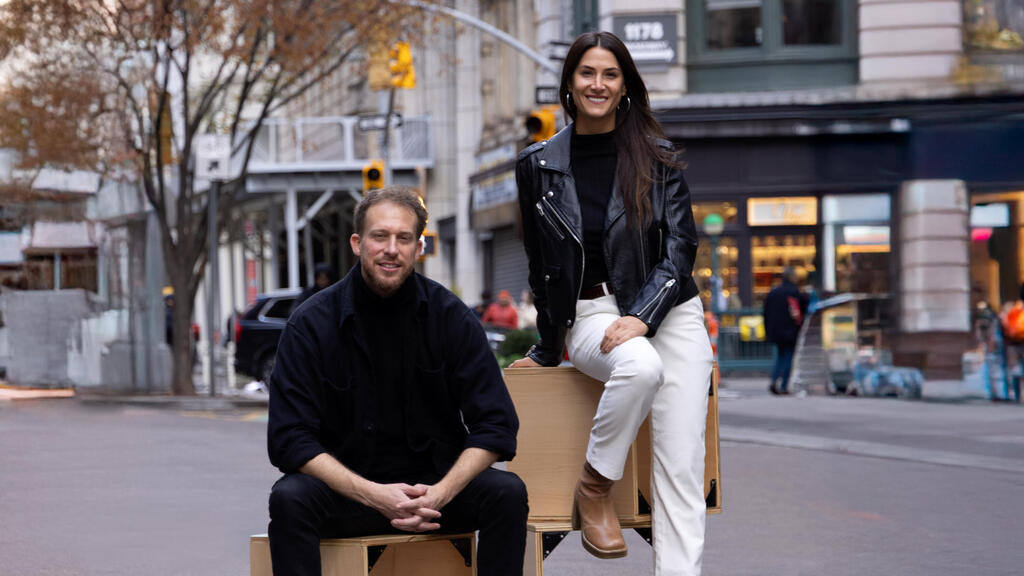
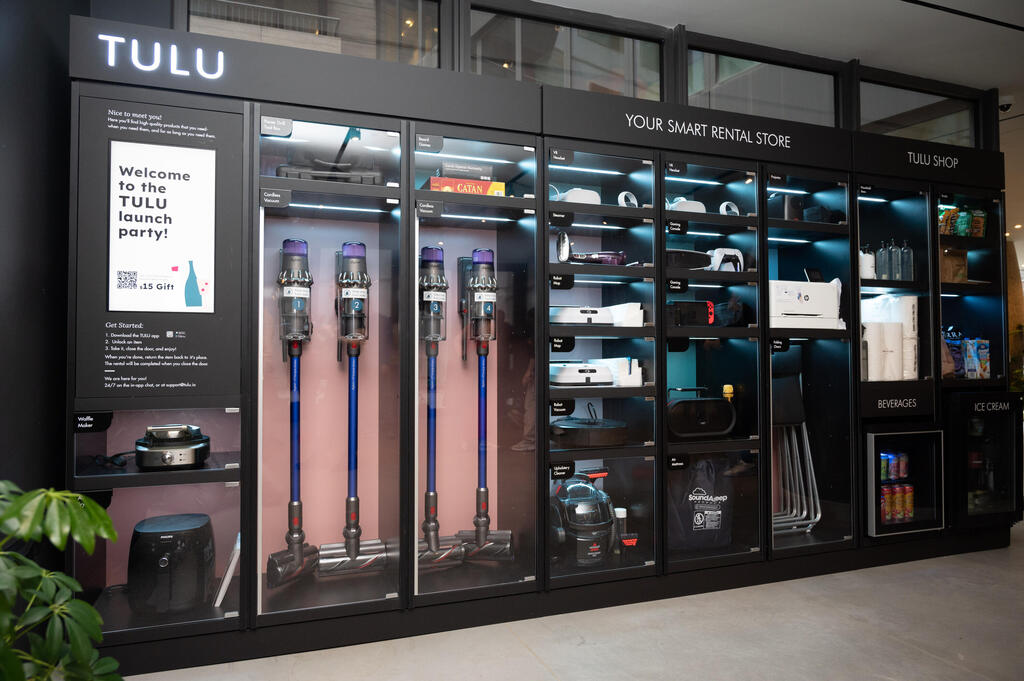
Founded in 2020 by Yishai Lehavi and Yael Shemer, TULU currently serves more than 500,000 residents across 60 cities in North America and Europe. The platform enables residents in multifamily and shared-living buildings to access a wide range of products, such as vacuums, VR headsets, e-scooters, projectors, and household supplies, through plug-and-play IoT units installed in lobbies, lounges, bike rooms, and laundry areas. All rentals and purchases are facilitated through TULU’s mobile app.
TULU’s proprietary AI engine, the “TULU Brain,” analyzes real usage data to provide personalized experiences for residents while delivering insights to landlords and brand partners. According to Lehavi, the company is aiming to redefine consumer habits by emphasizing usage over ownership. “Unlike selling a product, where value is proven once, creating a usage habit requires continuous insight and personalization,” he said.
The model has attracted major property operators, including Greystar, BGO, Brookfield, RPM, Blackstone, Bozzuto, American Campus, RXR, Willow Bridge, and Related. Global consumer brands such as Bosch, Kärcher, Philips, and Anker partner with TULU to reach Gen Z and millennial audiences, gain insights on real-world usage, and support circularity initiatives.
TULU also positions itself as a potential force in sustainable consumption. “Forty-five percent of greenhouse gas emissions come from producing and consuming consumer goods, much of that consumption happens at home,” said Shemer. “We’re building the infrastructure for a new mode of consumption, one that replaces ownership with shared access, transforming buildings into collective sharing communities.”



