










The drones Israel can’t jam
Fiber-optic UAVs bypass electronic defenses, forcing the IDF to rethink battlefield protection.
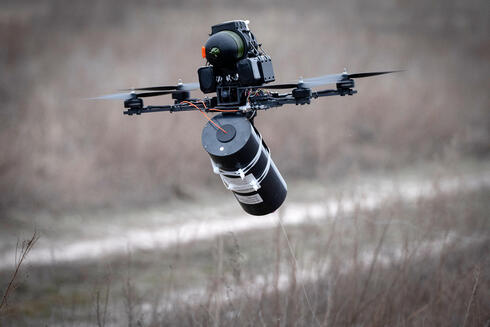
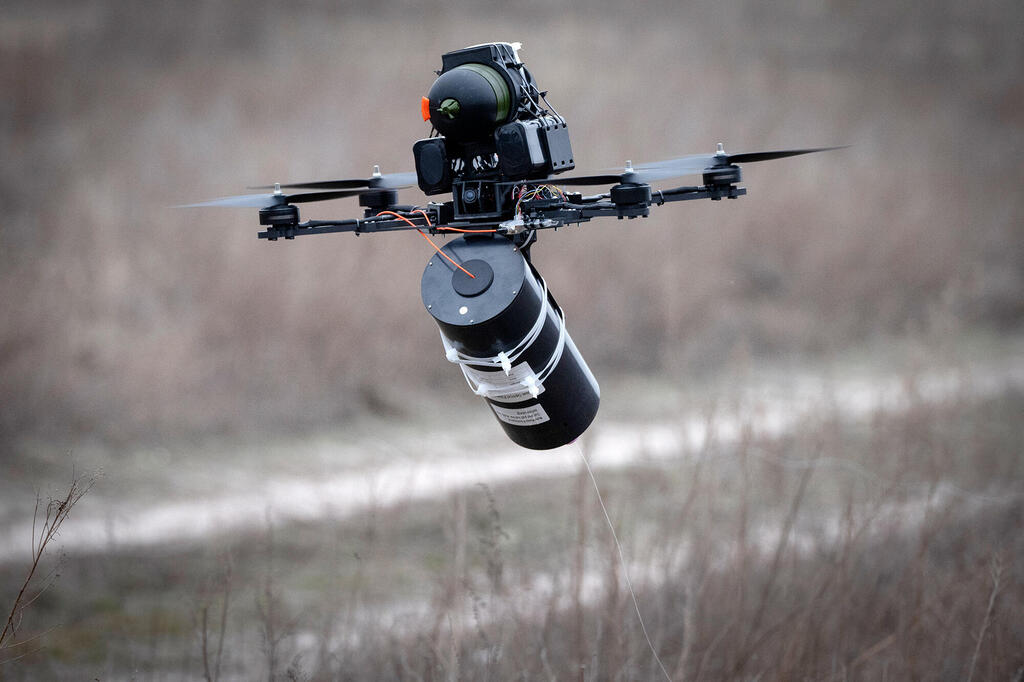
The defense establishment is working to develop a new technological response to the threat posed by explosive drones that have targeted IDF soldiers in recent weeks along the new security zone in southern Lebanon. These are fast-moving drones, operated from distances of 10-15 kilometers, and guided via optical fiber physically connected to them, making it impossible to disrupt or neutralize them using conventional jamming systems and electronic warfare tools typically used against wireless drones.
The solution currently being pursued by development agencies is also expected to rely on blocking and jamming technologies, despite the inherent challenges posed by fiber-optic guidance. Defense officials told Calcalist that, if successful, the effort could provide a meaningful response to the expanding drone threat. The initiative involves IDF development units, the Defense Ministry, defense contractors, and startup companies.
The urgency of the effort follows a series of deadly incidents. On Sunday, Sergeant Idan Fox was killed by an explosive drone, and four other soldiers were seriously wounded. In the same incident, another drone attempted to strike an Israeli Air Force helicopter dispatched to evacuate the injured, exploding just meters away. A day later, another IDF soldier was seriously injured and one lightly wounded in a separate drone attack by Hezbollah forces in southern Lebanon.
For the past month, the IDF has been operating within a security zone several kilometers deep inside southern Lebanon, aimed at pushing Hezbollah forces further north and reducing the threat of anti-tank fire on Israeli border communities. However, under the ceasefire imposed by U.S. President Donald Trump on Prime Minister Benjamin Netanyahu, Israeli forces operating in the area remain exposed to rocket fire, missiles, and these explosive drones. At present, these drones are difficult to detect, track, or intercept.
More broadly, the emergence of this threat reflects a significant operational gap. The widespread use of fiber-optic drones echoes earlier failures in preparing for drone warfare at the outset of the October 7 conflict. In both cases, Israeli defense authorities were aware of the threat and its use in other arenas, particularly in the Russia-Ukraine war, but preparations remained partial.
Defense officials note that Israel is not alone in facing this challenge, as other militaries have also struggled to counter fiber-optic drones. Until an effective technological solution is developed, the IDF plans to rely on interim operational measures to improve detection and defense.
These measures include deploying electro-optical systems deep in the field to identify incoming drones from several kilometers away, allowing forces to take cover. Additional steps include strengthening physical defenses, such as deploying protective netting over outposts and installations, similar to the improvised metal coverings installed on tanks and armored vehicles earlier in the war to defend against drone-dropped munitions.



