










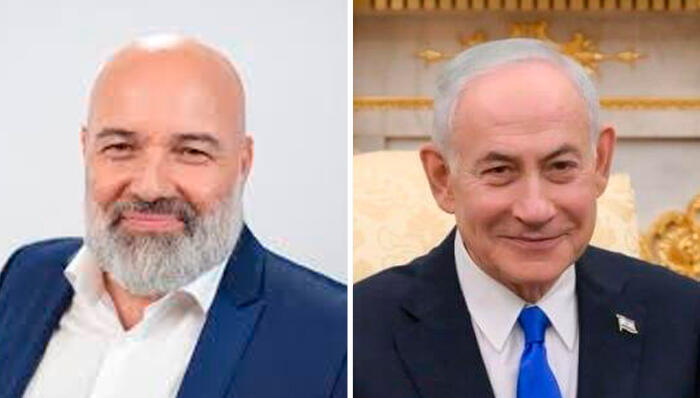
Israeli Shark Tank star could face millions in U.S. taxes over Knesset bid
Oren Dobronsky, a high-tech entrepreneur joining the Likud list, will have to renounce his U.S. citizenship to serve in parliament, potentially triggering an exit tax on his assets.
High-tech entrepreneur Oren Dobronsky may face an “exit tax” of millions of dollars from U.S. tax authorities if he is elected to the Knesset and seeks to be sworn in as a lawmaker.
The reason is that, in order to serve as a member of the Knesset, Dobronsky would be required to renounce his U.S. citizenship. U.S. tax law provides that Americans who renounce their citizenship may be subject to an exit tax, which is calculated as if they had sold certain assets on the day they gave up their citizenship. The tax can therefore apply to unrealized gains.
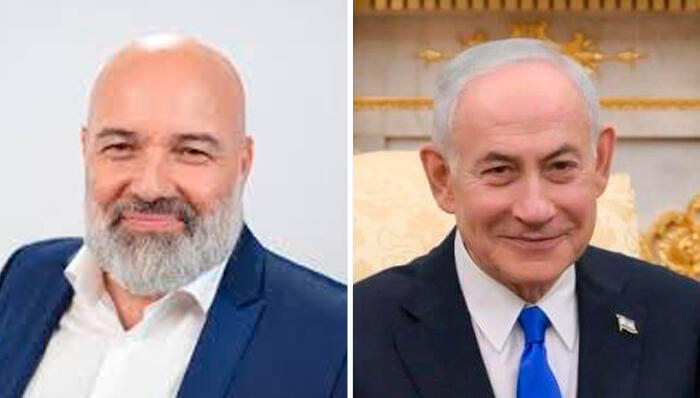
Dobronsky has lived in the United States and founded companies there since 2000, and has accumulated most of his fortune in the country. As a result, he could potentially face a tax bill running into millions of dollars.
The issue raises a question in Israel’s political establishment: In order to serve in the Knesset, and potentially later take responsibility for advancing artificial intelligence in Israel, will Dobronsky be willing to accept the financial cost of giving up his U.S. citizenship?
The question could become particularly significant if, after the election, Benjamin Netanyahu is not part of the government and Dobronsky finds himself serving in the opposition. Dobronsky could not be reached for comment on Wednesday evening. The Likud did not respond to a request for comment.
Netanyahu announced on Tuesday that Dobronsky, a high-tech entrepreneur who is also known for appearing on the television program “Shark Tank,” will be placed 11th on the Likud's Knesset list, ahead of several senior party figures. Dobronsky is expected to take responsibility for promoting artificial intelligence policy.
The Likud said Dobronsky is “a successful businessman, one of the founders of high-tech in Israel and a right-winger” and that he will join the party’s team and, after the election, lead the issue of artificial intelligence in the economy, education, medicine and other sectors of the state.
Dobronsky has been outspoken on several issues during the war. Among other things, he said that “it is not enough to collapse Hamas, we must flatten Gaza,” and argued that Israel should continue the war and destroy Hamas even at the cost of some hostages not returning. He has also expressed support for the proposed “transfer” of Gaza residents and for an IDF ground operation in Rafah.
In June, Dobronsky sharply criticized U.S. President Donald Trump on X for not sharing details of an agreement with Iran with Israel and for not inviting Israel to the negotiating table. He called Trump a “morally corrupt piece of shit” and accused his team of acting like “idiots” who had led to a “colossal failure.”
Following the backlash over his nomination to the Likud list, Dobronsky publicly apologized.
“President Trump is the greatest friend Israel has ever had in the White House,” he wrote. “On one occasion, when I did not know the full facts, I lost my temper and published something that I regret. I regret that and apologize to President Trump, whom I greatly respect.”



