










Why Israel is keeping its elections stubbornly low-tech
From Estonia’s online voting to Brazil’s electronic ballots, democracies are experimenting with faster systems. Israel’s election experts say the physical ballot remains its strongest defense against cyberattacks, fraud and disputed results.
“Technology is not suitable for every area of life, especially elections,” Orly Ades, who served as head of Israel's Central Elections Committee for 16 years until her retirement in May, tells Calcalist. “It is precisely the low-tech nature of elections that is their strength. In most Western countries, people also vote with paper ballots. This is not because of a lack of technological maturity. The ballot creates robust processes. There is always the option of going back to the physical ballots if they need to be examined or recounted. There is always a record to return to, examine and verify.”
Voting is one of the most critical and sensitive components of a democracy. With Israel's next election approaching, questions are once again being raised about whether the country's voting system should be modernized.
In the age of computing and AI, it is technically possible to vote through an app and receive results almost immediately after polls close. This is what the Democratic Party did in its primaries, while countries such as Estonia allow citizens to vote online.
But convenience, efficiency and speed are secondary considerations in an election. More important are reliability, public trust, the ability to verify and document results, and protection against fraud, coercion and attempts to manipulate the vote on a large scale.
That is why attempts to modernize elections can create risks that are not immediately apparent.
The 2000 U.S. presidential election, for example, exposed the problems that can arise when technology is introduced into the voting process. The contest between George W. Bush and Al Gore ultimately went to the Supreme Court after problems with vote-counting in Florida, including voting machines that failed to properly register some ballots. Gore's campaign argued that a manual recount was necessary.
Electronic voting machines have since become more widespread in the United States. But they also became a source of conspiracy theories following the 2020 election. Donald Trump's campaign and its allies claimed, without evidence, that voting-machine companies had manipulated or transferred votes and that hackers had altered election results.
These episodes illustrate a fundamental problem with digitizing elections: technology can make voting and counting faster, but it can also make the system harder for ordinary citizens to independently understand and verify.
Israel has remained at the conservative end of the spectrum. For 77 years, its basic voting process has remained largely unchanged, and that may be an advantage rather than a weakness.
“The manual method allows for better control”
“The existing system in Israel best allows for control, reconstruction and the ability to go back and recount the ballots,” said Dr. Shahaf Zamir of Reichman University and the Hebrew University. “The manual ballot method, when the ballots are kept together with all the other election materials, allows for the most accurate verification when someone challenges the election results.”
The Israeli system is almost entirely manual, both at the voting and initial counting stages.
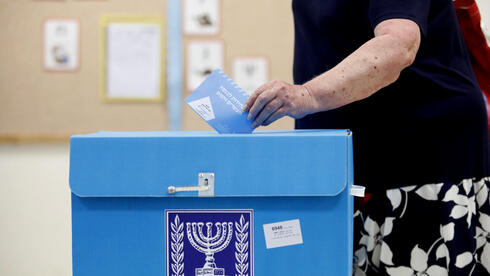
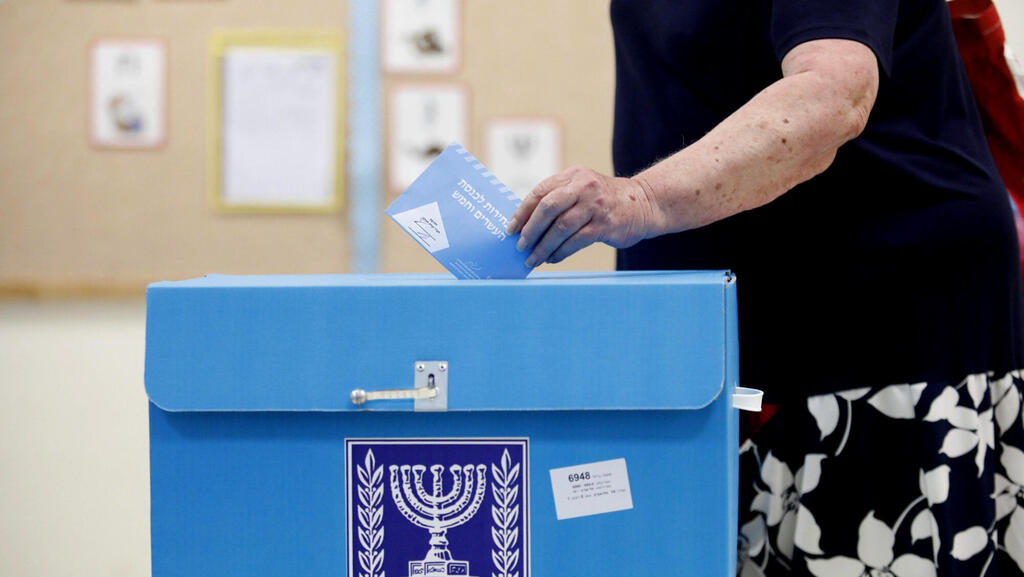
A voter is identified using an official document, enters a voting booth, selects the ballot representing the party of their choice and places it inside an envelope. The envelope is then deposited in the ballot box.
Once voting ends, the votes are counted at the polling station by a committee headed by a civil servant or public employee. The committee includes representatives of political factions, with at least two members from different factions. Candidates and party lists can also send observers to monitor the count.
The ballots are counted manually at least twice, and the results are recorded in a protocol signed by the committee members. The protocol and the physical election materials are then transferred securely to the regional election committee, where the results are entered into a computerized system.
There is a spectrum of voting systems between Israel's fully manual model and Estonia's online voting system.
Some countries use paper ballots but rely on optical scanners to count them. Others use electronic voting machines in which voters make their selections on a screen. At the most technologically advanced end of the spectrum, citizens can vote remotely through an app or website, using digital or biometric identification.
The trade-off is straightforward: as more technology is introduced, voting can become faster and more convenient, but the process can also become harder to independently audit.
Many Western democracies remain relatively conservative.
In France, voting is conducted using paper ballots placed in envelopes and deposited in transparent ballot boxes. The count is manual and takes place through a multistage process involving several counters.
Britain and Canada use paper ballots marked by voters with an X. The counting is conducted manually in the presence of candidate representatives and independent observers.
Germany uses a similar paper-based system, with manual counting that citizens are allowed to observe. Some German states experimented with electronic voting machines at the beginning of this century, and almost 2 million people used them in 2005. Following a legal challenge that year, Germany's Constitutional Court ruled against their continued use, finding that the principle of public scrutiny required citizens to be able to follow the essential stages of the election without needing specialized technological knowledge.
Japan is even more conservative. In national and most local elections, voters write the name of a party or candidate by hand on a paper ballot. Since 2002, voting machines have been permitted in local elections, but their use remains limited.
Other democracies have adopted more technology.
India, with nearly a billion voters, uses electronic voting machines that are not connected to a network. Each machine is linked to a unit that generates a paper record of the vote, which is shown to the voter behind glass for seven seconds before being deposited into a secure box.
The electronic results are counted automatically, while paper ballots are manually verified at five randomly selected polling stations in each electoral district.
South Korea uses paper ballots that are scanned by optical scanners at district counting centers under continuous human supervision.
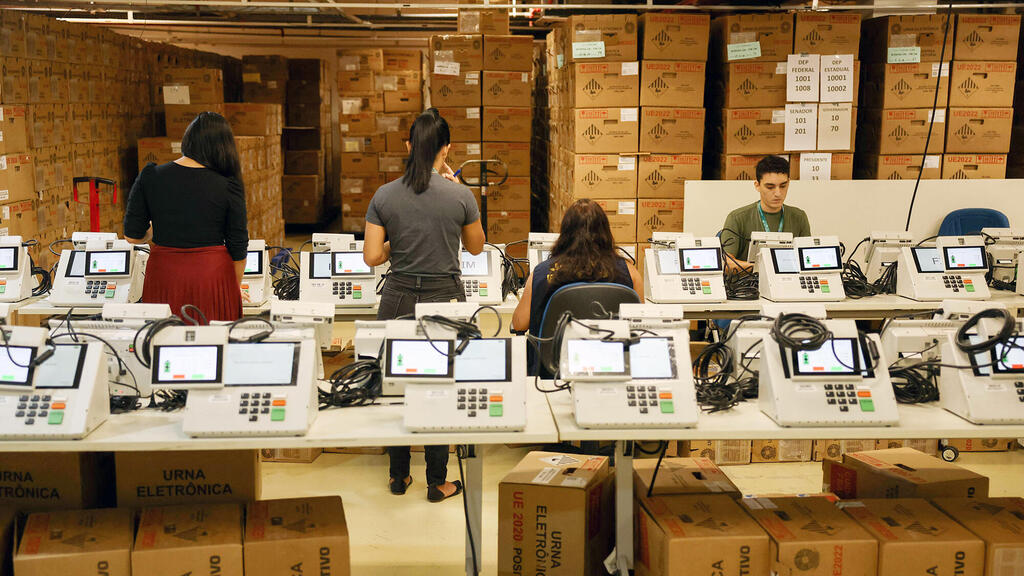
Brazil has gone further. It uses a fully electronic voting system without a paper ballot for each vote. Voters are identified biometrically and cast their ballots on electronic machines. After the polls close, the results are encrypted and transmitted through a dedicated network.
Because there is no physical record of each vote, Brazil uses an integrity-verification mechanism under which hundreds of machines are randomly selected on election day and tested in front of observers and cameras. Simulated votes are cast on the machines and recorded separately on paper to check that the results match.
The system, however, is primarily designed to verify the integrity of the machines rather than provide a physical record of every vote.
At the other end of the spectrum is Estonia, which has allowed online voting since 2005. Voters identify themselves using a digital ID, cast their ballot and confirm it with a personal security code. During the early-voting period, voters can change their vote, with only their final vote counted. The mechanism is designed in part to reduce the risk of coercion or vote-buying.
Estonia also allows voters to verify that their vote was recorded, although they cannot independently verify that the same vote was ultimately included in the final count. Today, around half of Estonian voters use online voting.
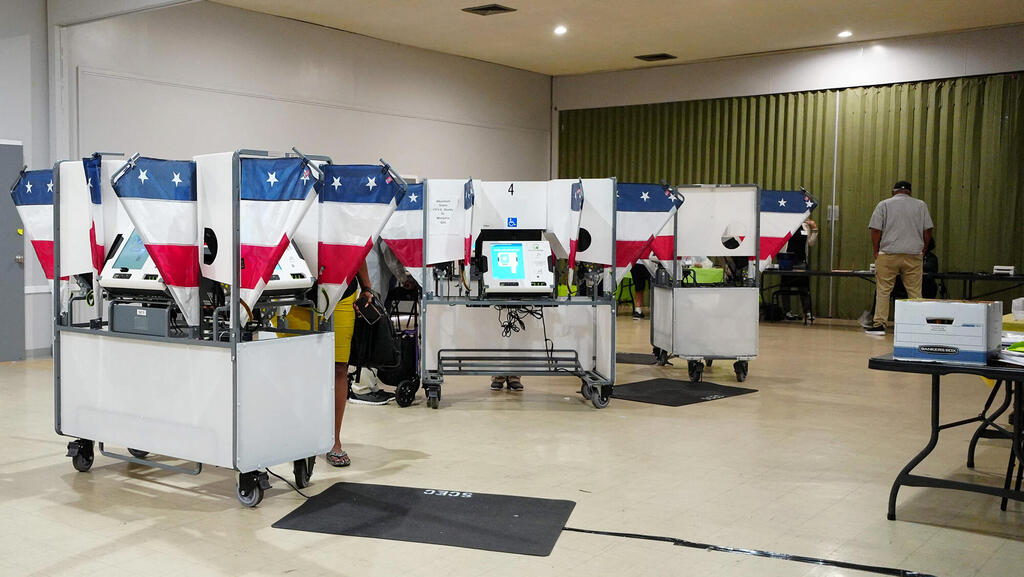
The United States presents a different model. Federal elections are administered locally, with more than 3,000 jurisdictions using different voting and counting systems. Some use paper forms that are scanned optically, others use electronic machines that produce a physical record, and some use fully digital systems.
The decentralization has also created significant reliance on private companies to supply and maintain voting equipment.
Every system involves trade-offs between reliability and transparency on one side and convenience and speed on the other.
For elections, however, the ability to demonstrate beyond reasonable doubt that the final result reflects the voters' choices is arguably more important than speed.
That is where Israel's paper-based system has an advantage.
Internet-based voting, such as Estonia's, presents the greatest risks for Israel, according to the experts interviewed for this article.
Even highly secure online infrastructure can be exposed to cyberattacks. The emergence of AI systems capable of conducting increasingly sophisticated cyber operations adds another layer of concern.
For Israel, the threat is particularly acute because elections could become an attractive target for groups backed by hostile states, including Iran. A successful attack would not necessarily need to change the result to cause damage. Casting doubt on the integrity of the election could itself undermine public confidence.
“We all know how relevant cyber threats are today,” said Prof. Eran Vigoda-Gadot, a researcher in management and public policy at the University of Haifa. “The capabilities of hostile actors to disrupt are not negligible. No one is willing to take the risk in this matter. That is why most countries have not switched to digital voting methods, especially remote digital voting.”
Online voting also introduces risks that do not exist in the same way at a polling station. Voters could potentially be subjected to pressure or coercion in their homes, while digital systems could be targeted through identity theft or other forms of impersonation.
And even if an attack never takes place, the possibility that it could have occurred can become politically powerful.
Ades points to one of the biggest advantages of the Israeli system: the damage caused by an attempt to manipulate a physical election is generally limited geographically.
“Even if there is an attempt to harm the purity of the elections, it is usually spotty, limited to a single polling station or a small number of polling stations,” she said. “With all the protection methods and layers at the polling station, any attempt is exposed and dealt with immediately.”
A digital attack could be fundamentally different.
“In a computerized system, an attempt to disrupt the result by manipulating the system produces significant and widespread damage to all the results,” Ades said. “Then, after the disruption, the original results cannot be restored as is possible with a physical ballot.”
Israel has already experienced the value of being able to return to the physical record.
Ades recalled the 2019 election, when Naftali Bennett was about 1,400 votes short of the electoral threshold. Bennett requested a preliminary examination of 50 polling stations.
“He came to the logistics center, gave us a list of polling stations, and we took out all the bags with the voting material, ballots that were counted, ballots that were rejected, unused envelopes, polling committee protocols and nomination papers,” she said.
The ballots were recounted individually, and no unusual findings were discovered.
“If the voting was computerized, what ability to prove it was there?” Ades asked. “What ability to create trust in the system?”
That question becomes even more important in a politically polarized environment. Even if machines operate exactly as designed, the mere possibility that they were compromised can become the basis for conspiracy theories and challenges to election results, as happened in the United States after the 2020 election.
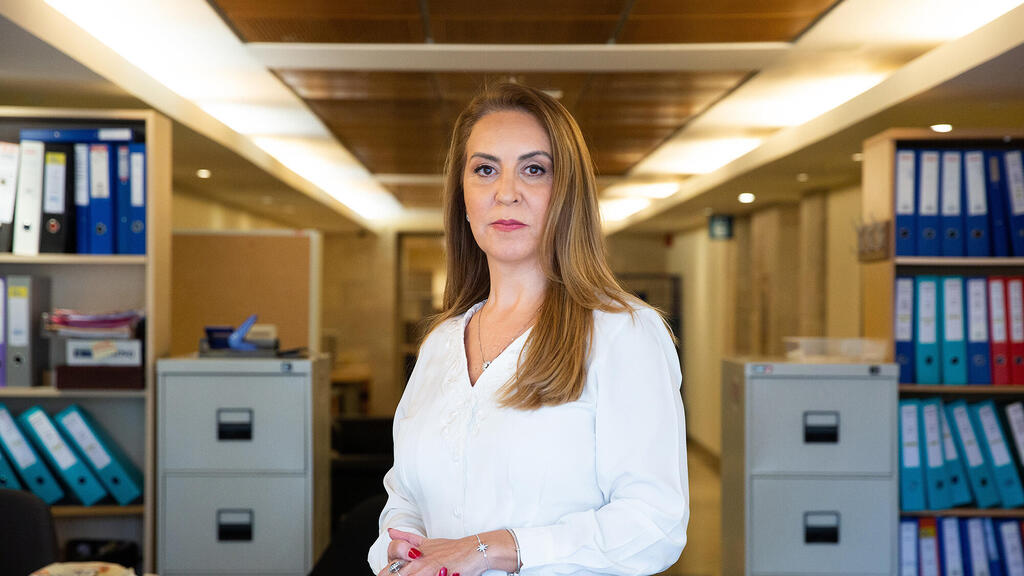
“The physical ballot is one of the things that generates the public's trust,” Ades said. “It is important that the public understand the strength of the system and its reliability, especially these days. Secrecy and security are significant issues and cannot be waived just in the name of introducing technology so that we can say voting is computerized.”
Zamir also sees the physical record as central to the system's credibility.
“The method is not perfect. The ballot box is not free from errors and attempted forgeries,” he said. “There are problems that can be overcome with technological means, but it comes at a price. In digital voting it is a kind of black box. You don't see how the votes are counted or whether attempts were made to intervene digitally.”
Systems that combine paper ballots with optical scanning may therefore appear to offer a compromise: retain a physical record while making the counting process faster.
But even here, transparency remains crucial. The ability of observers to watch the counting process in real time provides an important source of public confidence. When people can see the votes being counted and understand the process, it becomes harder to sustain allegations of widespread fraud.
There are also practical reasons not to automate Israel's system too aggressively.
Israel is a relatively small country with a relatively small voting population. Counting several million paper ballots is manageable, and the voting process itself is simple: one voter, one ballot.
That does not mean Israel's election authorities are opposed to technology.
The Central Elections Committee has been working on computerizing parts of the process, but the emphasis is on the back office rather than replacing the physical ballot.
“In my last three years on the committee, we have been dealing with the characterization of a computerized system designed to manage the back office of the elections,” Ades said. “Not something on the front that the public sees.”
The planned system would introduce a computerized voter register that could allow voters to cast their ballots from anywhere in the country without creating duplicate envelopes. It would also computerize the work of polling committees, including the recording of vote counts in a computerized protocol, allowing results to be transmitted more quickly.
The question of whether the actual counting should eventually be scanned or remain manual is still open.
“What is significant is that the results will be recorded in the system immediately,” Ades said. “Elections are not something that can be done instantly. These are significant changes in the method that require examination over time and in-depth thinking.”
Technology can make many systems faster, cheaper and more efficient. Elections are different.
The most important feature of an election system may not be how quickly it produces a result, but whether citizens can understand how that result was produced and whether the system leaves behind enough evidence to prove it.
“We stick to the traditional method because the risk of switching to other methods is too great and could lead to the loss of legitimacy of the elections,” Vigoda-Gadot said. “At the crucial juncture, where there is a possibility of a change of government, we will not risk letting the machines allow even a speck of error, because then it will be possible to challenge the legitimacy of the results.”
“The ballot method, which is also not free from errors, fraud and certain distortions, is a tool that we are familiar with and know how to deal with.”



