










Bagira shares slide as military simulation company’s backlog falls 18%
The newly public company reported strong first-half results, but investors have focused on the decline in its order book and the concentration of growth in Europe and field training systems.
Bagira’s order backlog fell to NIS 519 million ($173 million) at the end of the first half of 2026, down 18%, or NIS 115 million ($38.3 million), from the beginning of the year and 3.5% from the end of the corresponding period last year, when the backlog stood at NIS 538 million ($179.3 million).
The figures were included in the first financial report published by the military equipment company since it went public on the Tel Aviv Stock Exchange in June 2026, when it was valued at NIS 3.2 billion ($1.07 billion).
The decline in the backlog has raised concerns that, unless Bagira replenishes it with new orders, the drop could eventually translate into weaker revenue growth. The company’s shares have fallen 15% over the past month as the market digested the updated backlog figures.
Bagira, which is controlled by the Mizrahi family, said the decline reflects the seasonality of orders from government security agencies, which tend to place most of their orders in the second half of the year. The company also said the strengthening of the shekel has hurt its competitiveness outside Israel, but estimated that its backlog will have increased again by the time it publishes its annual report.
Against this backdrop, Bagira’s board approved a 2026 revenue target of NIS 340 million to NIS 380 million ($113.3 million-$126.7 million), as well as a target for average annual revenue growth of 25%-35% through 2030.
Bagira reports its financial results semi-annually rather than quarterly. Revenue in the first half of 2026 reached NIS 163 million ($54.3 million), up 51% from NIS 108 million ($36 million) in the corresponding period last year.
Operating profit rose 64% to NIS 75 million ($25 million), from NIS 46 million ($15.3 million), while net profit increased 44% to NIS 54 million ($18 million), from NIS 38 million ($12.7 million).
Despite the overall growth, Bagira’s Israeli business contracted. Revenue in Israel fell 19% to NIS 69 million ($23 million), from NIS 85 million ($28.3 million) in the corresponding period.
The growth instead came from Europe, where revenue reached NIS 94 million ($31.3 million), four times the figure recorded in the corresponding period last year.
The concentration of growth becomes even clearer when revenue is broken down by business line. Revenue from field training systems jumped from NIS 29.8 million ($9.9 million) to NIS 83.9 million ($28 million).
By comparison, revenue from mission trainers rose only moderately, from NIS 38 million ($12.7 million) to NIS 40 million ($13.3 million), while revenue from tactical trainers increased from NIS 37.5 million ($12.5 million) to NIS 39 million ($13 million).
In other words, most of Bagira’s growth in the first half came from a single business line: field training systems.
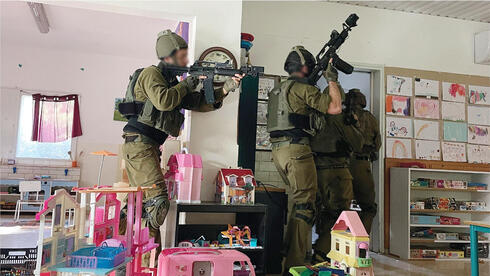
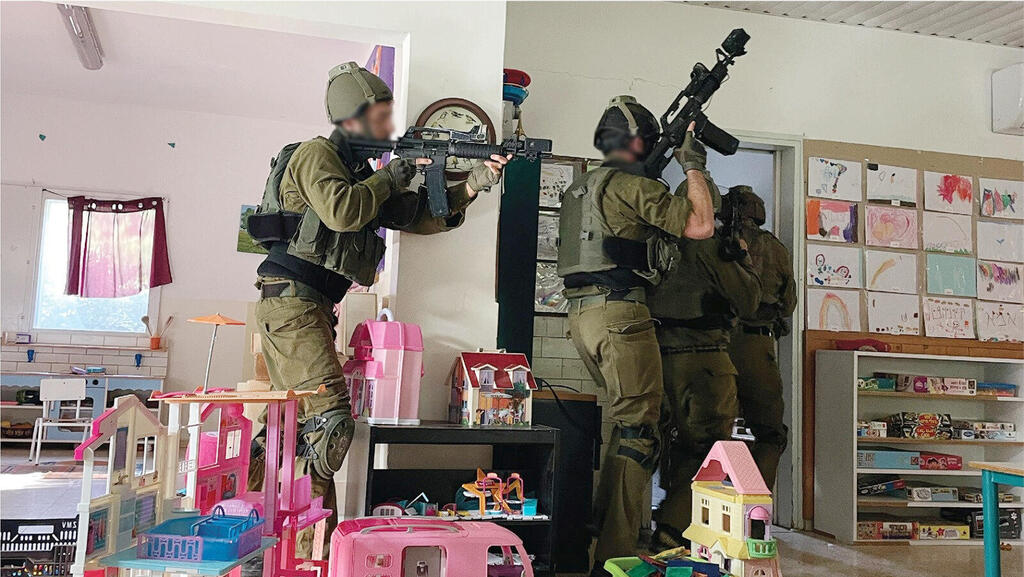
Bagira, which was listed on the Tel Aviv Stock Exchange in June, develops, produces, builds and operates simulation and training systems for security forces, with a focus on training ground forces. Its products include mission trainers, tactical trainers and field training systems.
The company works with armies and government agencies in Israel and abroad, as well as security companies. It operates simulators at more than 80 sites in Israel and around the world, through which more than 200,000 soldiers train each year.



