










Tel Aviv luxury housing project faces contamination battle after buyer sues developer
A lawsuit over PFAS “forever chemicals” raises questions about what developers and regulators knew before apartments were marketed.
The Ministry of Environmental Protection approved the marketing of the land at the former Sde Dov airport site as clean, but contamination was discovered after sales had already begun. Now, the first buyer of an option to purchase a residential apartment in the project is suing real estate company Gindi Holdings, demanding cancellation of the transaction and the return of approximately NIS 500,000.
The lawsuit, filed Monday at the Tel Aviv District Court, claims that buyers who purchased options in the project were not provided with information regarding the contamination of the land. According to the plaintiff, had buyers been aware of the findings, they would not have purchased rights in a complex where serious contamination concerns had emerged.
1 View gallery
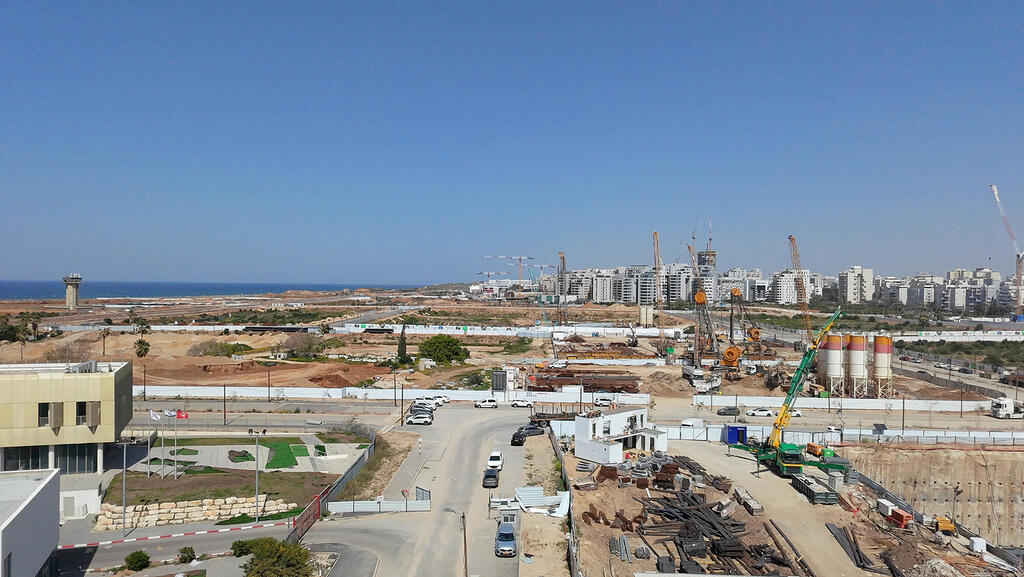
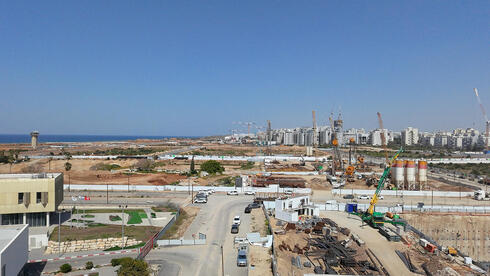
Construction in the Sde Dov complex (photo not connected to the news item)
(Orel Cohen)
For decades, while the site operated as an airport, the soil at Sde Dov was exposed to PFAS, a group of chemicals often referred to as “forever chemicals” because of their persistence in the environment. PFAS have been linked to a range of health concerns, including certain types of cancer, and have led to the closure of numerous water wells after the substances seeped into groundwater.
At airports, PFAS contamination is often associated with the use of highly concentrated firefighting foams designed to extinguish aviation fuel fires.
According to the lawsuit, in 2022 the Water Authority informed the Ministry of Environmental Protection that wells in the Sde Dov area were contaminated, with some exceeding permitted levels by up to 2,000%. However, at the time, the Ministry of Environmental Protection did not have a policy requiring PFAS testing and allowed the land to be marketed as clean.
Only in 2025 did the ministry begin conducting PFAS tests at the site, revealing abnormal concentrations throughout the Sde Dov complex. In July 2026, the ministry ordered the Tel Aviv Municipality to halt infrastructure works over concerns that thousands of tons of contaminated or potentially contaminated soil had been moved across the area without adequate supervision.
The plaintiff purchased an option for an apartment in the Sde Dov project in July 2025, paying 7% of the transaction value. This occurred before the full extent of the contamination became publicly known, with details only reaching wider public attention toward the end of the year.
After learning about the contamination findings, the plaintiff asked Gindi Holdings to cancel the option agreement and return the full amount paid, arguing that the pollution issue was a material factor in her decision. According to the lawsuit, Gindi rejected the request and refused to extend the option period until the results of additional land surveys were published, which are expected later this month.
“The mere concealment of the information constitutes consumer deception and negotiations conducted in bad faith,” the lawsuit claims. “There is no dispute that such information could have a material impact on real estate transactions in the area, particularly when it concerns a prestigious residential project located near the beach.”
The real estate companies marketing apartments in the project received approval from the Ministry of Environmental Protection that the land was clean at the time sales began. However, the plaintiff argues that under the circumstances, Gindi should have independently investigated potential contamination before marketing hundreds of luxury apartments to the public.
“There is no doubt that the defendant should have been aware of the information,” the lawsuit states. “A developer of this size, before entering into a transaction involving the marketing of hundreds of residential units, should have examined all aspects related to the land. Information regarding contamination in the area, which had already been published in 2022, could have been discovered through a basic review or by appointing an expert to examine the site.”
Environmental engineer and real estate appraiser Roni Brill said the public remains largely unaware of the potential implications of contamination at Sde Dov and other suspected sites.
“Not only did the state fail to conduct the surveys before issuing the tenders, but even today there is no up-to-date information available regarding the surveys being conducted at the Sde Dov complex,” Brill said. “Since the Ministry of Environmental Protection’s announcement in February 2026, no data has been published regarding the scope of testing, findings, or future investigation and remediation plans.”
According to Brill, potential residents could face exposure risks not only inside their homes but also from dust generated by construction work, contaminated soil in public areas, future infrastructure projects, and recreational areas such as the nearby beach.
“The state’s conduct sends a message to buyers and the real estate market that ‘everything will be fine,’ without anyone taking professional responsibility for the situation it has created,” she said.
Gindi Holdings responded: “The statement of claim has not yet been served on the company, and therefore it is not possible to address the claims made therein. The company will provide its response as part of the legal process after the claim is duly served. Land remediation, if required in accordance with the authorities’ instructions, will be carried out at no cost to apartment buyers, and the publications do not change the company’s obligations toward them.”



