








CyberArk founder: We never planned to sell, but Palo Alto kept raising its offer
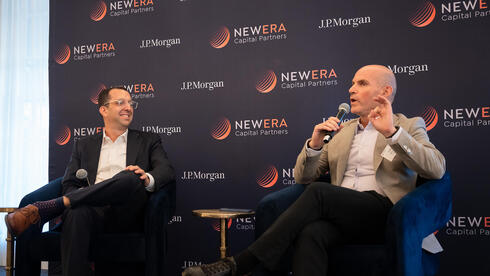
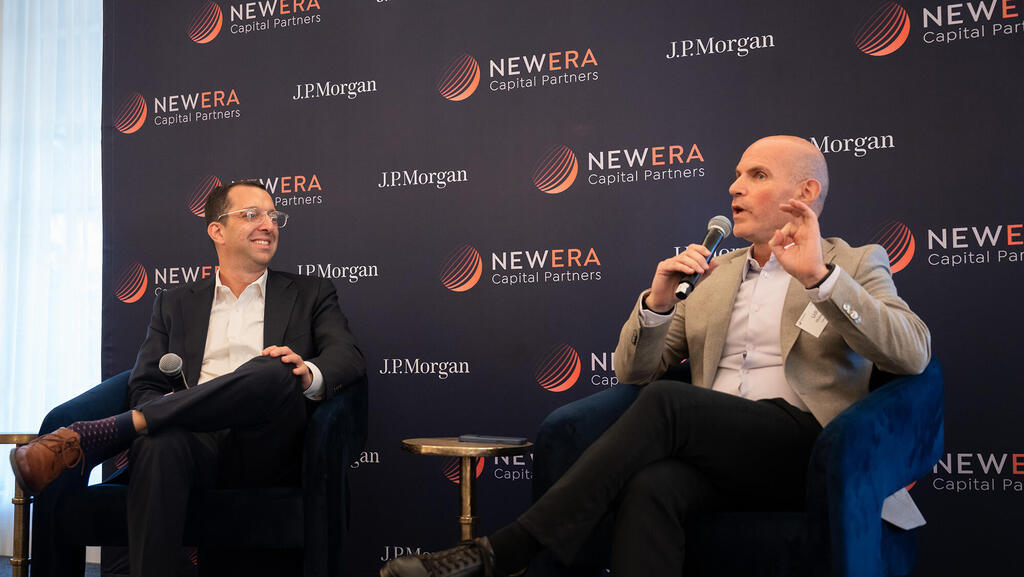
Udi Mokady says the $25 billion deal came after an unexpected approach from Nikesh Arora. He initially sought a partnership, but ultimately decided the offer was in the best interest of the public company and its shareholders. The founder of CyberArk was speaking during a conversation with Ziv Conen, a partner at venture capital firm New Era, at a New Era conference in Boston.
"We went against the grain. Back then, everyone was buying firewalls and antivirus software. We realized that even within military systems, once you're inside, you can do anything. Everyone was focused on blocking entry from the outside while ignoring the biggest vulnerability. For years, we told our customers that no matter how many alarms and locks you put on your doors, you still keep your most valuable assets in a safe."
This is how Udi Mokady described CyberArk's early days in 1999. The company, which he co-founded with Alon Cohen and led until its $25 billion acquisition by Palo Alto Networks last year, built its business around protecting the credentials that give access to an organization's most sensitive systems. Mokady spoke at the New Era conference in Boston in a conversation moderated by Ziv Conen, a partner at a cybersecurity-focused firm.
You arrived in Boston in 2000. Tell us about the transition.
"Luckily, I moved in the summer," Mokady laughed. "In the beginning, selling was difficult because we didn't know anyone, and word-of-mouth, which helped spread the word about CyberArk in Israel, didn't exist here."
When I lived not far from CyberArk's offices, I would often pass by. It was hard to miss the massive U.S. and Israeli flags at the entrance. How did that go over with everyone?
"It was a statement, a way to always remember where we came from while also expressing gratitude to the U.S., where we grew. This blend of the two is what drove our excellence. Interestingly, many visitors didn't even recognize the Israeli flag. They often assumed it belonged to some university."
One of the remarkable things about CyberArk is that, despite the 2008 crisis, you didn't lay off a single employee. Six years later, you were ringing the opening bell at Nasdaq. How did you arrive at such unconventional decisions in that business climate?
"That was a major, defining decision I made as a leader. I actually went against the Board. Everyone was calling for a 20% budget cut. Even major corporations here in Boston, like EMC, were doing it. But we were already operating lean, and we had a solid pipeline of deals. Instead, we, the senior executives, decided to cut our own salaries. That fostered a unique bond with our employees."
What is it like to run a public company for 12 years?
"Once you go public, you make a lot of promises to your employees, your customers and your investors."
And what made you decide that the time was right to sell?
"We never actually made a conscious decision to sell. One day, I received a text message, followed by a phone call from Nikesh Arora, CEO of Palo Alto Networks, who said they wanted to make a major push into identity management. I completely separated my personal feelings from what was in the best interest of a public company. When the largest cybersecurity firm comes knocking, you don't turn them down, though I initially tried to propose a partnership, which they weren't interested in. They kept raising the offer every time we said no, eventually reaching $25 billion. What mattered most to me was Palo Alto's significant presence in Israel. They committed to continuing their investment and expansion there."
What advice would you give to young entrepreneurs today?
"When your customers beg you not to sell the company, that's a significant litmus test. That's exactly what we heard from our customers over the years. It's a strong indicator of the business's health. But never say 'never.' As long as you remain independent, stay 100% committed."



